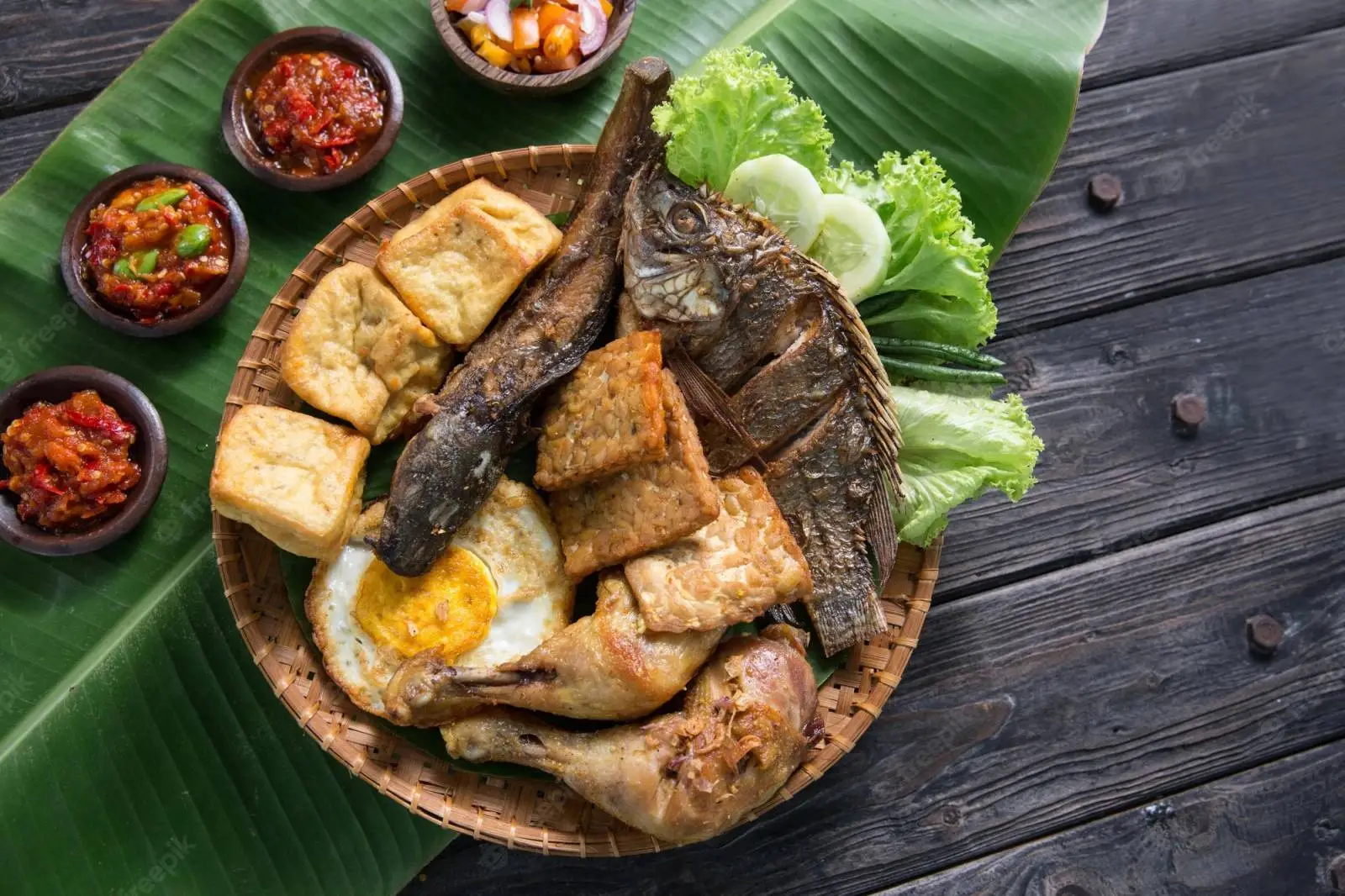
When you travel around Bali, you will often see small eateries called warungs. Inside there may be a display of prepared food, a few tables and a menu without photographs. This can be a more interesting first introduction to local food than ordering everything from a polished restaurant menu: you can see what was cooked that day and ask the owner or another guest for advice.
In 2026, old food lists and prices should not be treated as a universal menu for the island. Recipes depend on the area, family, religious practices and ingredients available that day. The same dish name can mean a different portion, spice level and selection of side dishes. These are good dishes to start with if you want to explore Bali while asking sensible questions.
Nasi goreng
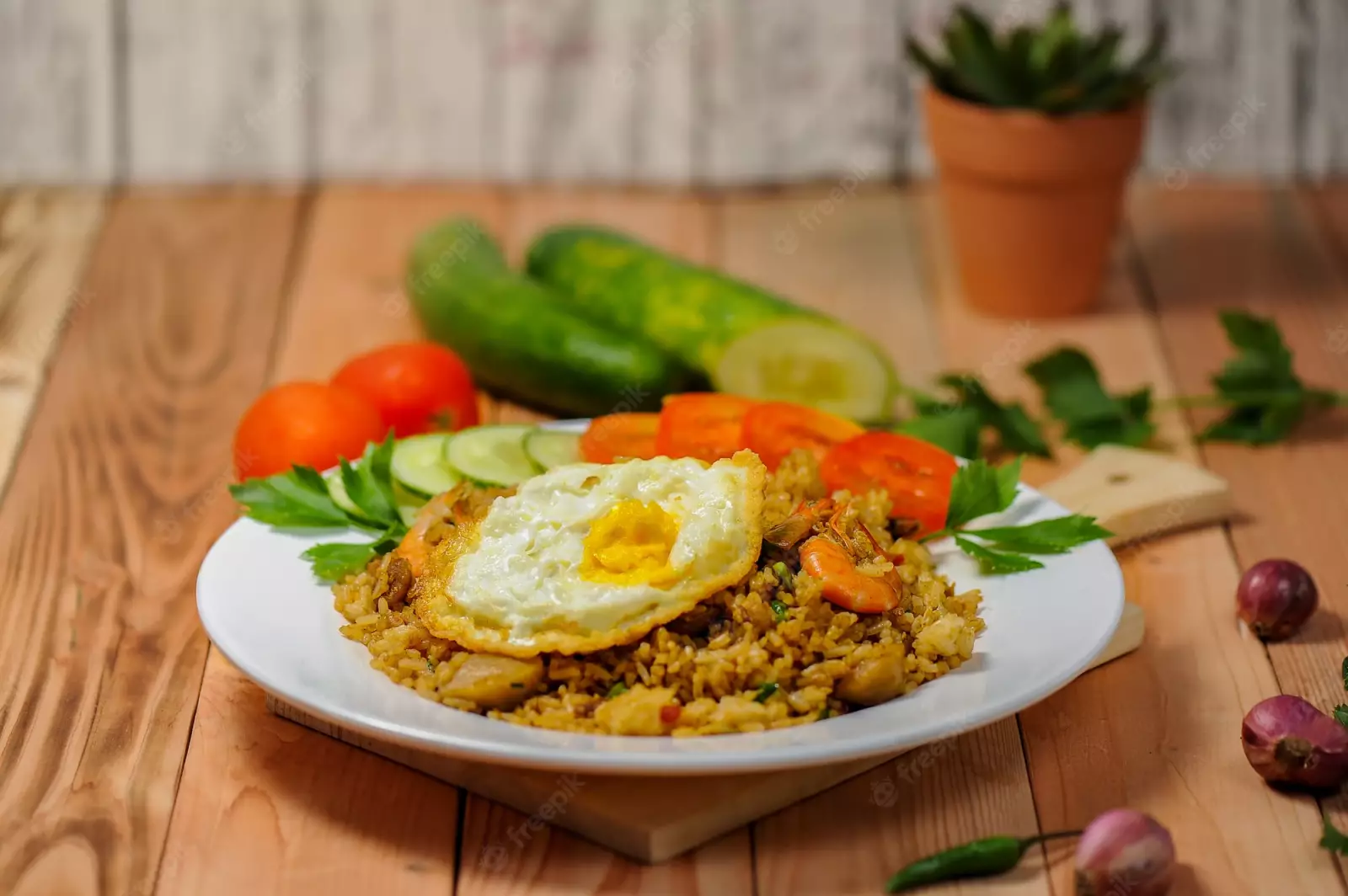
Nasi means rice and goreng means fried. Nasi goreng is usually rice stir-fried with vegetables, egg, seasoning and a chosen addition such as chicken, seafood, tofu or tempe. It may arrive with a fried egg, prawn crackers, cucumber, tomato or fried shallots. There is no single standard recipe, so ask about ingredients if you have an allergy or dietary restriction.
Sambal is often served separately, but not always. If you are not used to chilli, say tidak pedas for “not spicy” or sedikit pedas for “a little spicy”. My favourite remains seafood nasi goreng, although the exact seafood and its availability should be confirmed at the warung.
Mie goreng
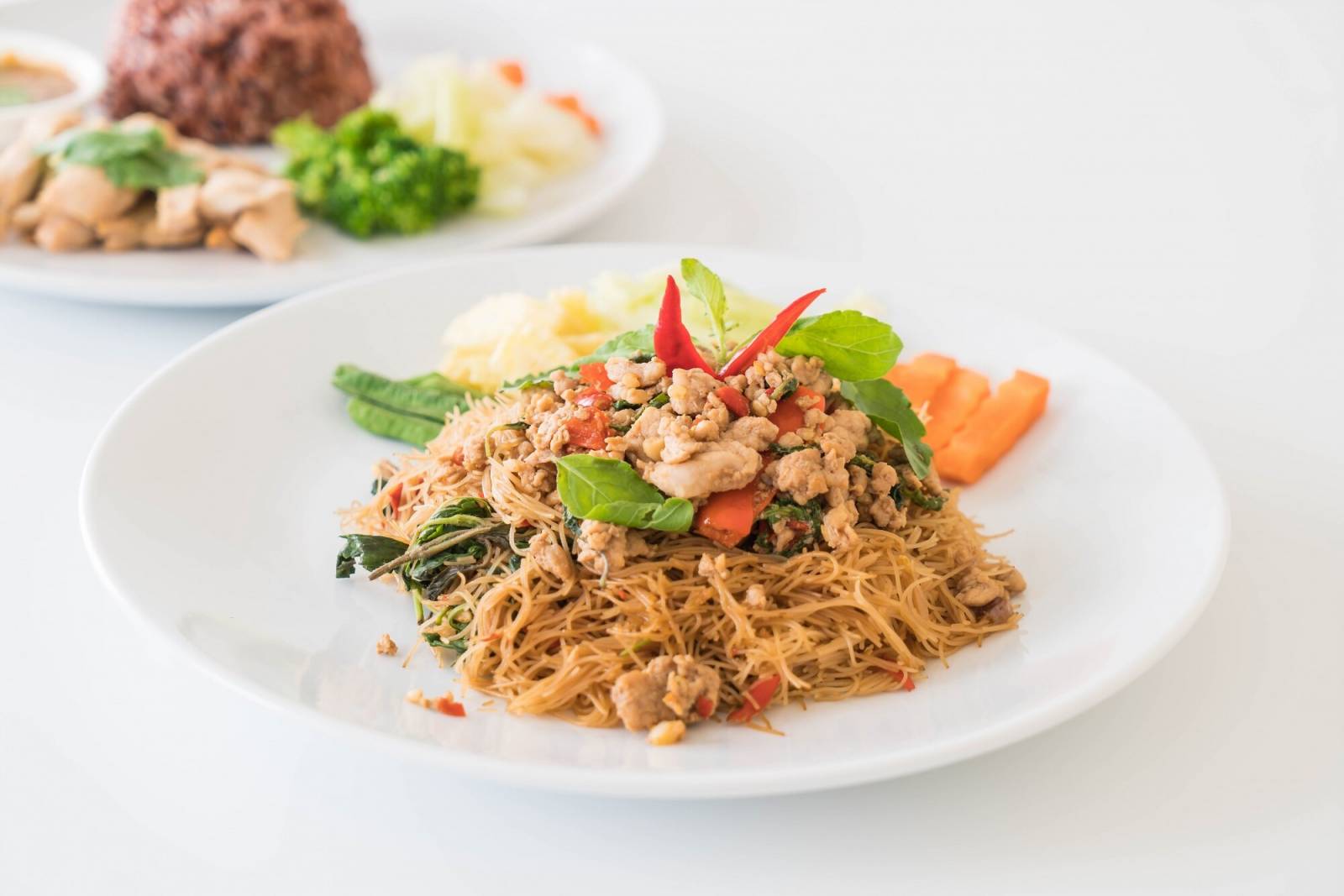
Mie means noodles, so mie goreng is the fried-noodle version. It may include vegetables, egg, chicken, prawns, meatballs or tofu. In one warung it can be instant noodles with additions; in another it can be fresh noodles cooked in a wok. Both styles are common and neither is the only correct recipe.
The name may tell you the addition: mie ayam is noodles with chicken, mie udang with prawns and mie bakso with meatballs. If the broth, sauce or pork content matters to you, ask before ordering. Tanpa babi means “without pork”, but strict dietary or religious requirements may also require asking about shared utensils and cooking surfaces.
Gado-gado
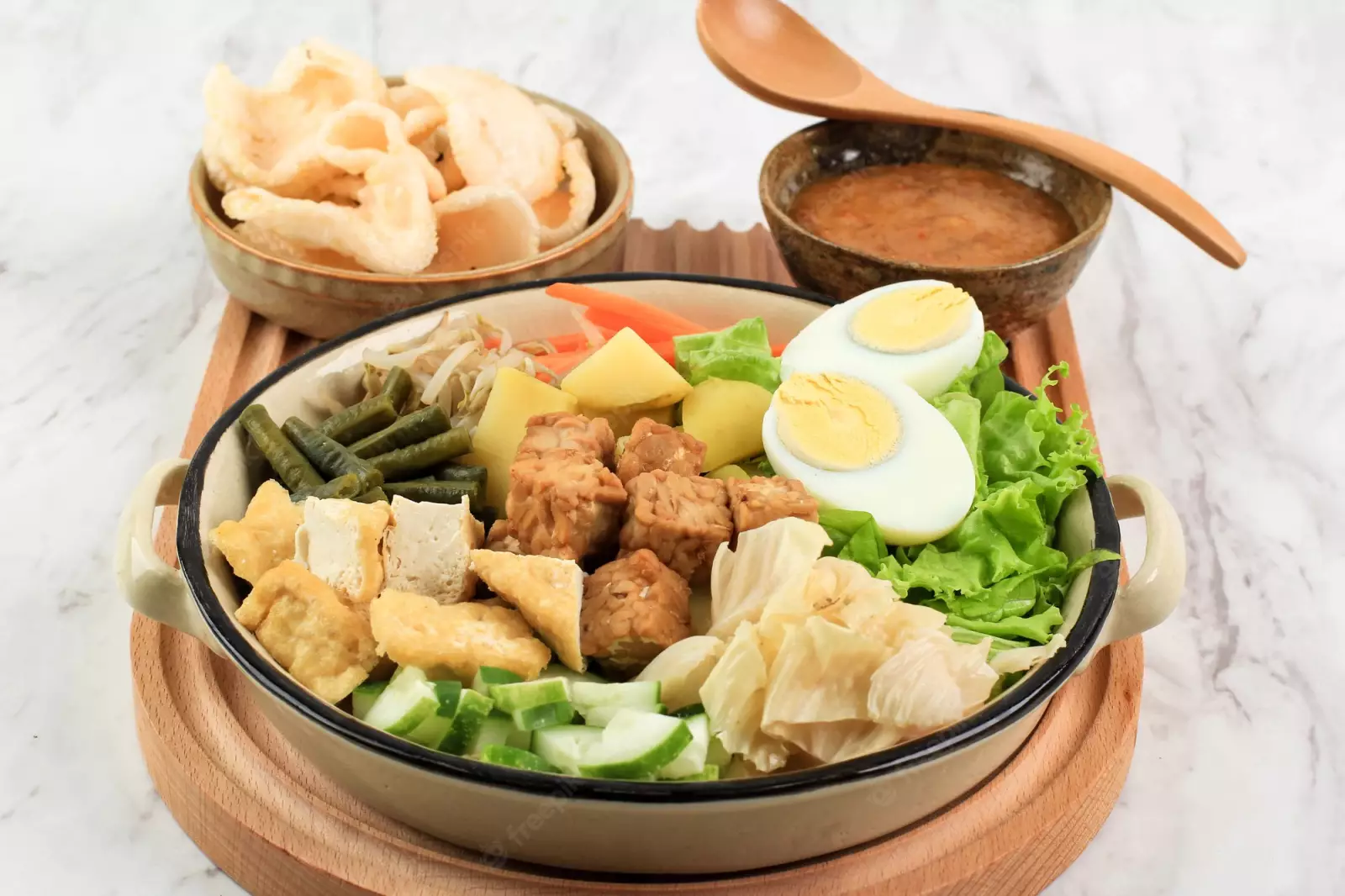
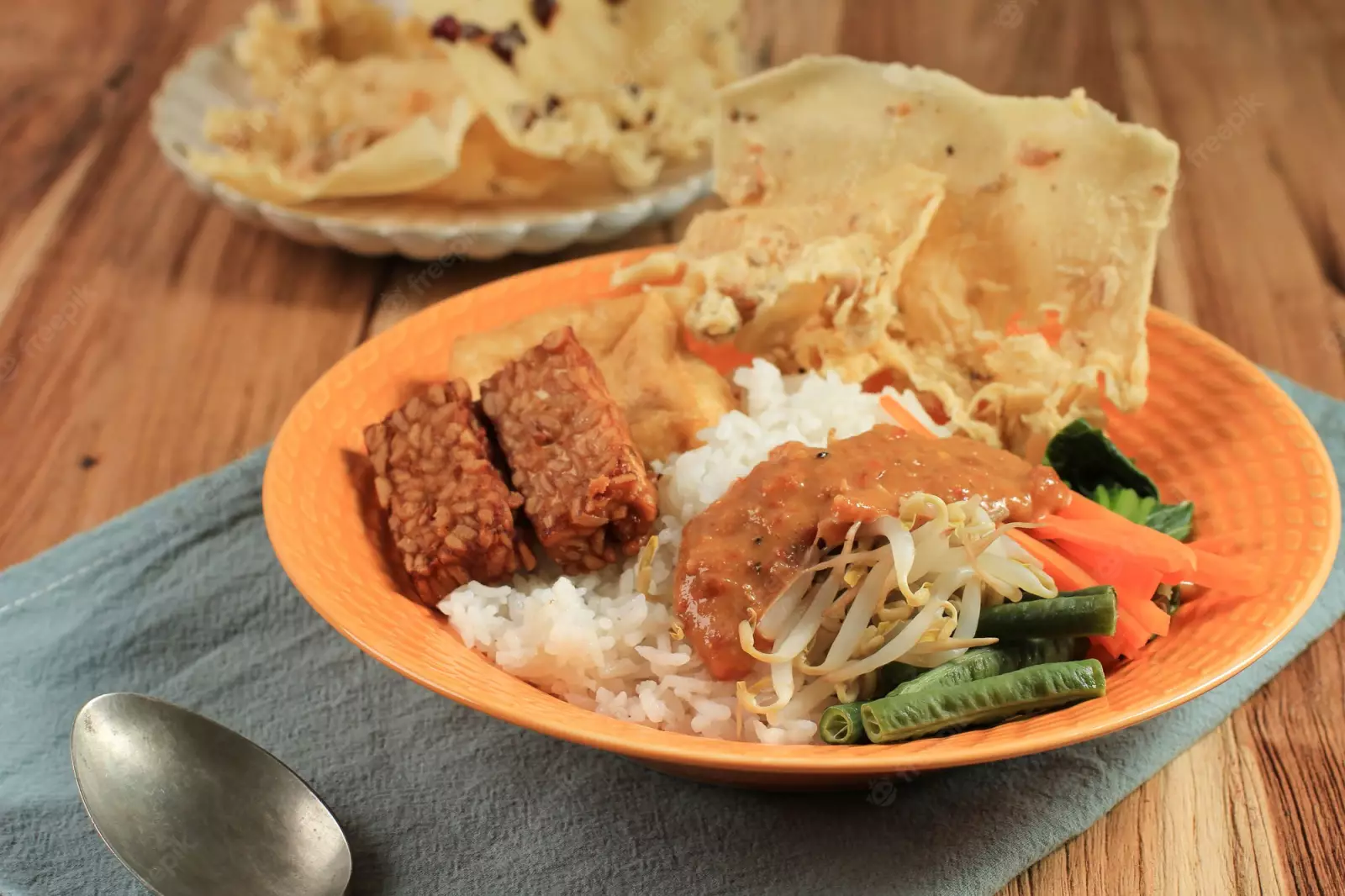
Gado-gado is a salad or warm vegetable plate with peanut sauce. It may contain boiled vegetables, potato, egg, tofu, tempe and prawn crackers. The sauce varies in thickness, sweetness and heat. It can be a useful choice if you want less meat, but it is not automatically vegan: egg, shrimp paste or fish-based ingredients may be included.
Peanut sauce is an important warning for anyone with an allergy. “No meat” is not enough; ask separately about peanuts, egg, prawns and fish sauce. If the sauce is served on the side, it is easier to try a small amount first.
Satay and sate lilit
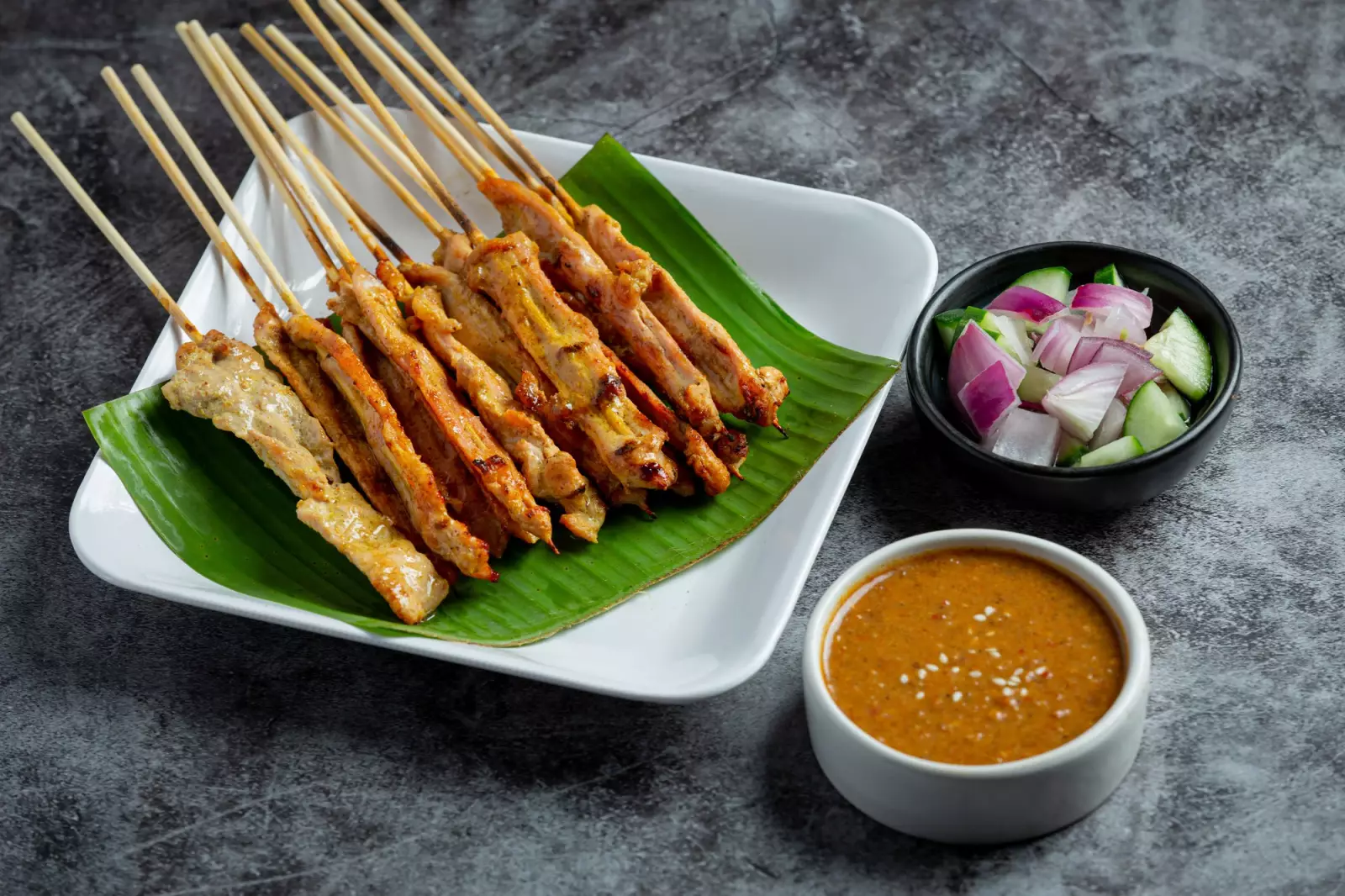
Satay is made from small pieces of meat, poultry, fish or seafood on a skewer and cooked over a fire. It may come with peanut sauce, sambal or another local sauce. A browned skewer does not tell you which product is inside, and not every satay is equally spicy. Ask about the meat and marinade before ordering.
Sate lilit is prepared differently: minced fish, chicken or another ingredient is wrapped around a bamboo stick or lemongrass stalk and grilled. The texture is softer than cubes on a skewer and the aroma is distinctive. For a first order, one portion shared between two people can be enough to test the spice level.
Babi guling
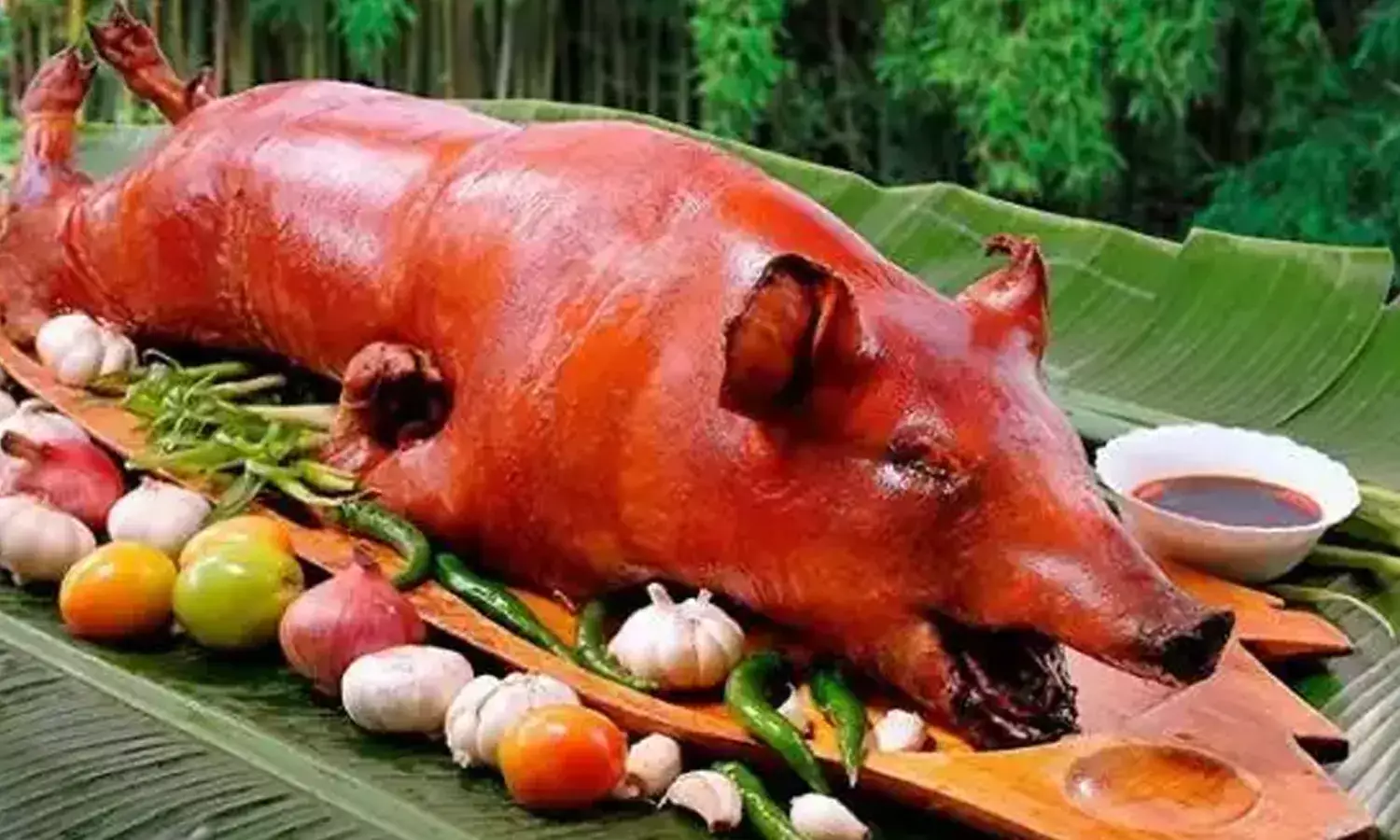
Babi guling is a well-known Balinese dish of pork roasted whole with a spiced mixture. Indonesia’s official tourism portal describes it as commonly served with rice, lawar, sambal and other side dishes. Recipes and portions differ: one place may serve crispy skin and meat, another may add sausage, soup or several small sides.
This is not a dish for everyone. Babi means pork, so babi guling is unsuitable for people who avoid pork or require halal food. The presence of other dishes in the same warung does not automatically make the kitchen halal. If this matters to you, look for clear labelling and ask directly about the ingredients and kitchen.
Choose a place where it is clear what the portion contains and how prepared food is stored. Ask whether the sambal is spicy, whether it can be served separately and which cut of pork you will receive. The old fixed price has been removed because the current amount depends on venue, portion size, sides and menu.
Tempe and tofu
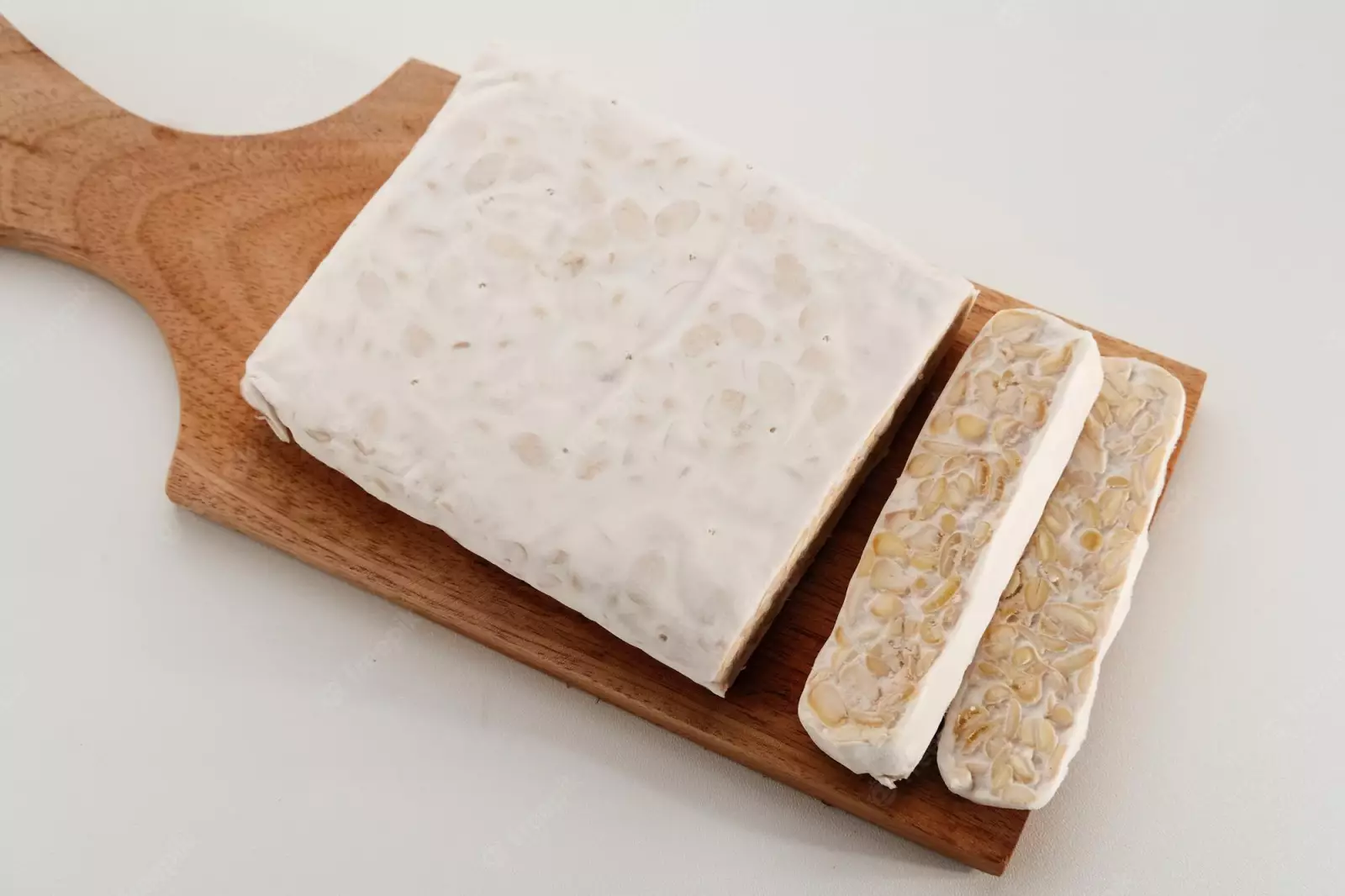
Tempe is made from fermented soybeans, while tofu is made from soy milk. Warungs fry or braise them and add them to rice, noodles, soups and vegetables. Tempe is denser with a pronounced nutty flavour; tofu is softer and takes on sauce easily. Both can be useful plant-protein options, but the preparation may include egg, fish sauce, shrimp paste or a shared fryer.
Do not follow the old advice to eat raw tempe. For a traveller, it is safer to choose a product stored correctly and cooked before serving. If it smells unpleasant, looks dried out or has been sitting unrefrigerated for a long time, order something else.
Pisang goreng
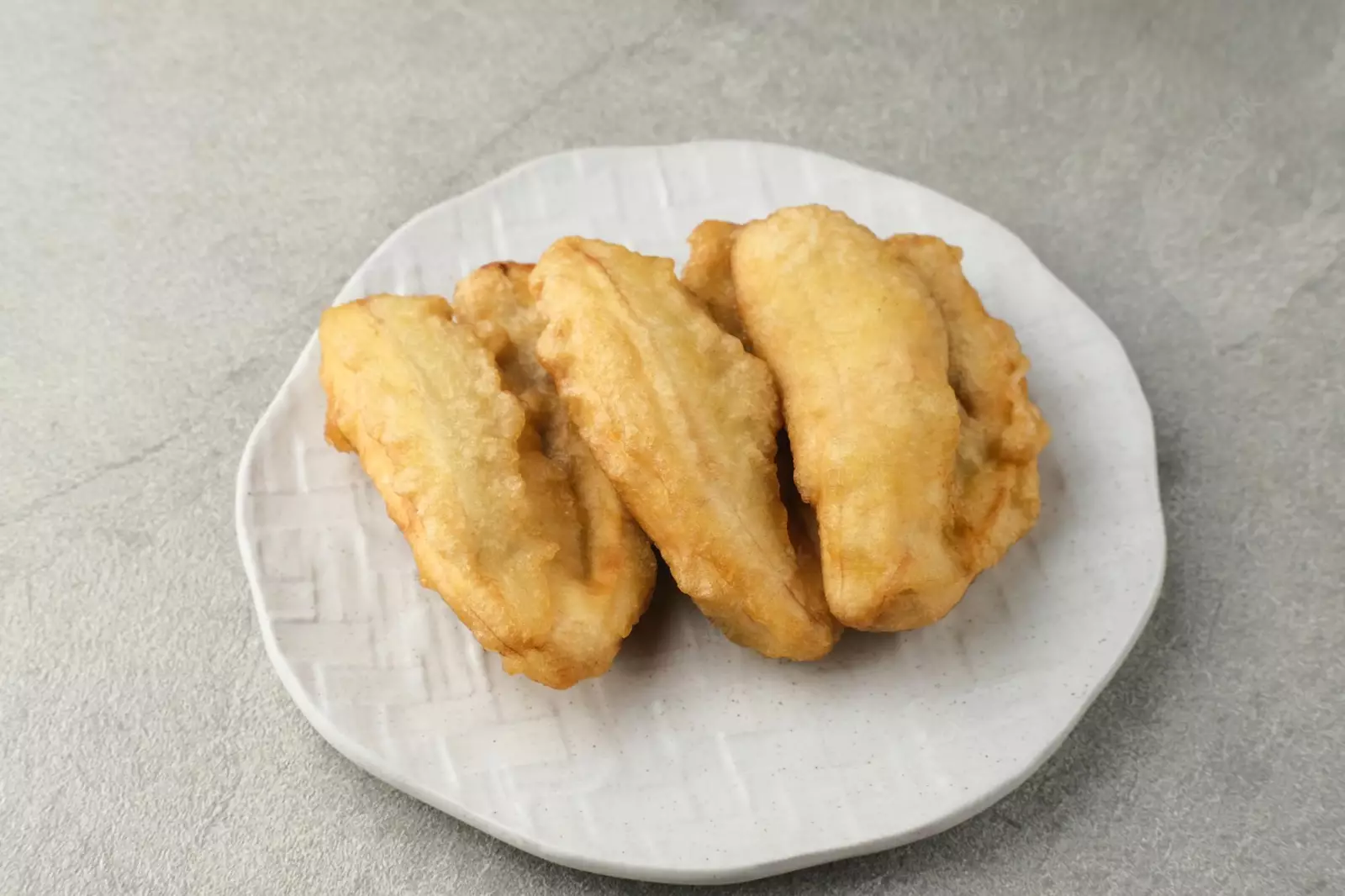
Pisang means banana and goreng means fried, so pisang goreng is banana in crisp batter. Different places use different banana varieties and batters. The dessert may be finished with sugar, honey, condensed milk or chocolate sauce. Eat it carefully while hot because the centre and oil can be very hot.
If you avoid dairy or honey, ask what is added after frying. Some kitchens use the same fryer for several foods, so people with strict restrictions should ask about the method. I like this dessert for its simplicity: after a spicy meal it makes a pleasant ending.
How to choose a warung?
Do not rely only on the number of local customers. It can be a useful signal, but it does not guarantee the right ingredients or hygiene for you. Notice whether food turns over quickly, ingredients are protected from insects, surfaces look clean and raw items are kept separate from prepared dishes. In a hot climate, storage temperature and turnover matter too.
Start with a small portion, do not order several unfamiliar spicy dishes at once and use sealed bottled water if you are unsure about the source. Fresh raw vegetables, ice and sauces deserve the same attention as meat and seafood. If your stomach is sensitive, choose food cooked in front of you and served hot.
Ask about the price, portion size and side dishes before ordering. A display price may cover only the main portion, while drinks, tax or delivery are separate. If there is no English menu, show the dish name on your phone and ask the staff to repeat the ingredients.
Useful phrases include tidak pedas — not spicy, sedikit pedas — a little spicy, tanpa babi — without pork, tanpa kacang — without peanuts, tanpa telur — without egg and berapa harganya? — how much does it cost? For an allergy, do not rely only on an automatic translation: show the ingredient in writing and confirm that you have been understood.
Bali is easier to explore through several small orders than by searching for one “correct” dish. Nasi goreng and mie goreng are simple starts, gado-gado offers vegetables if you check the peanut sauce, satay brings food from the grill, babi guling introduces a specifically Balinese pork dish, tempe offers soy protein and pisang goreng gives you a sweet finish.
The description of babi guling and its Balinese presentation is checked against Indonesia Travel. The wider food context comes from Indonesia Travel’s Bali cuisine guide, and basic food-safety advice follows the WHO Five Keys to Safer Food.