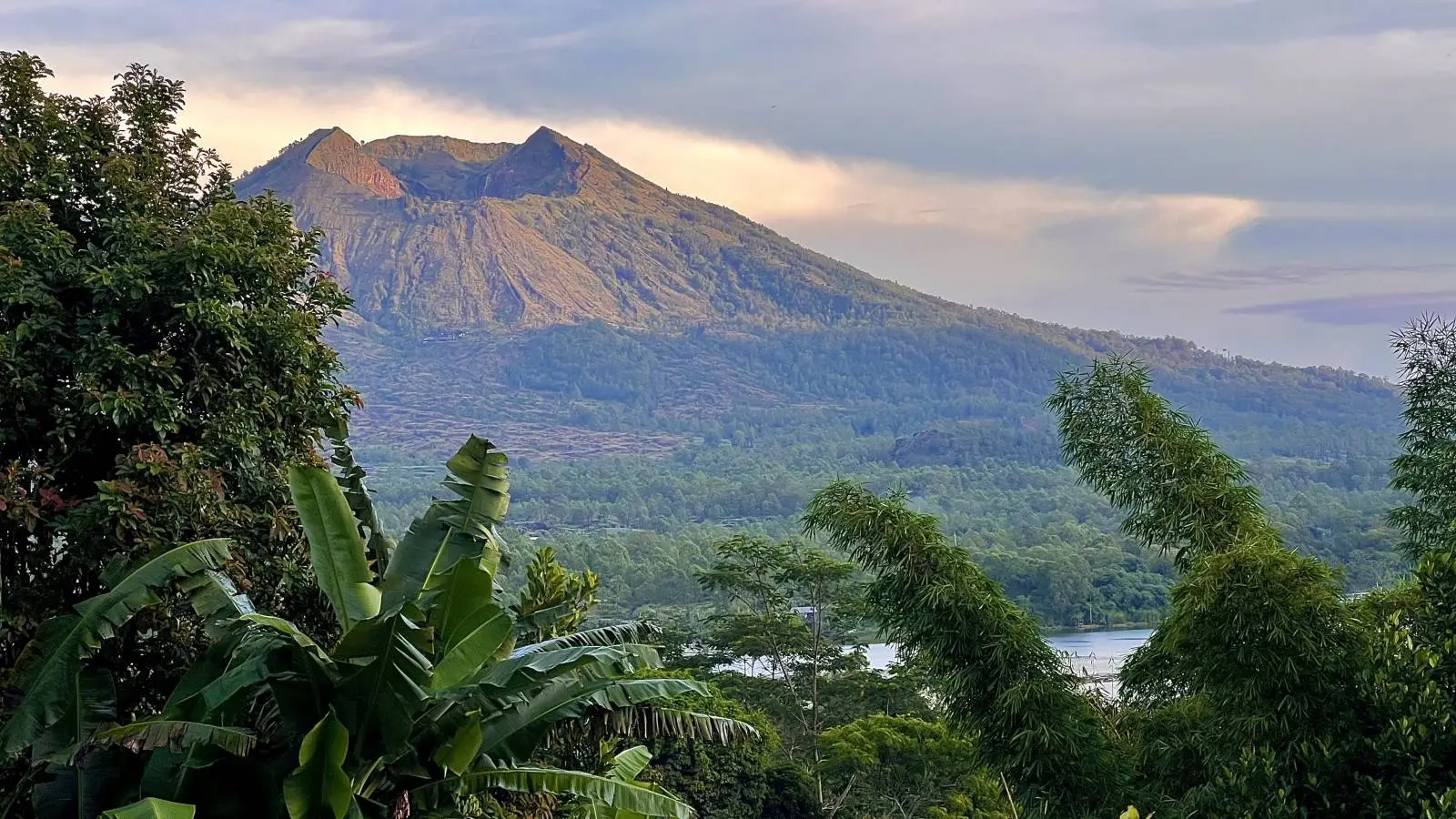
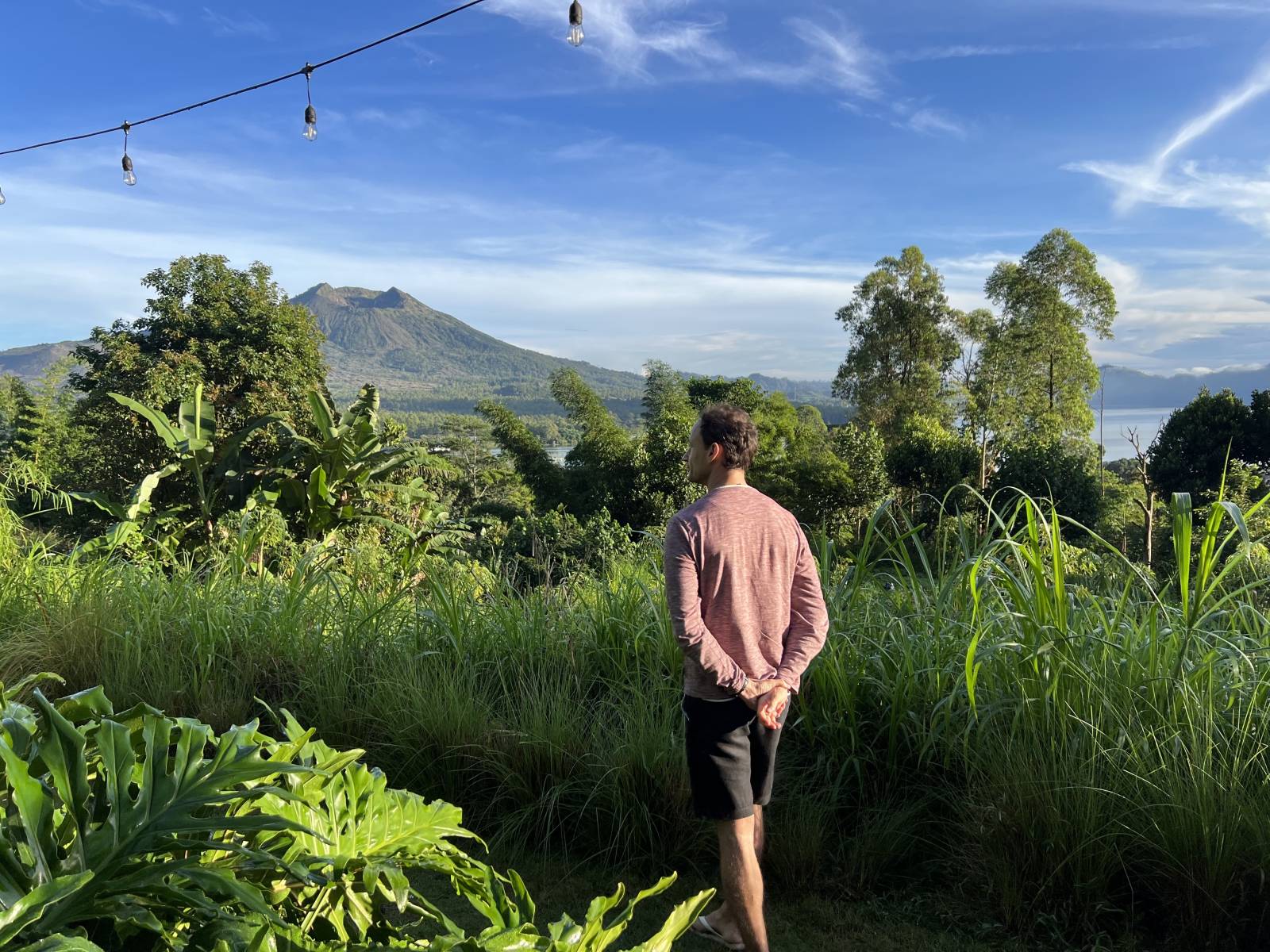
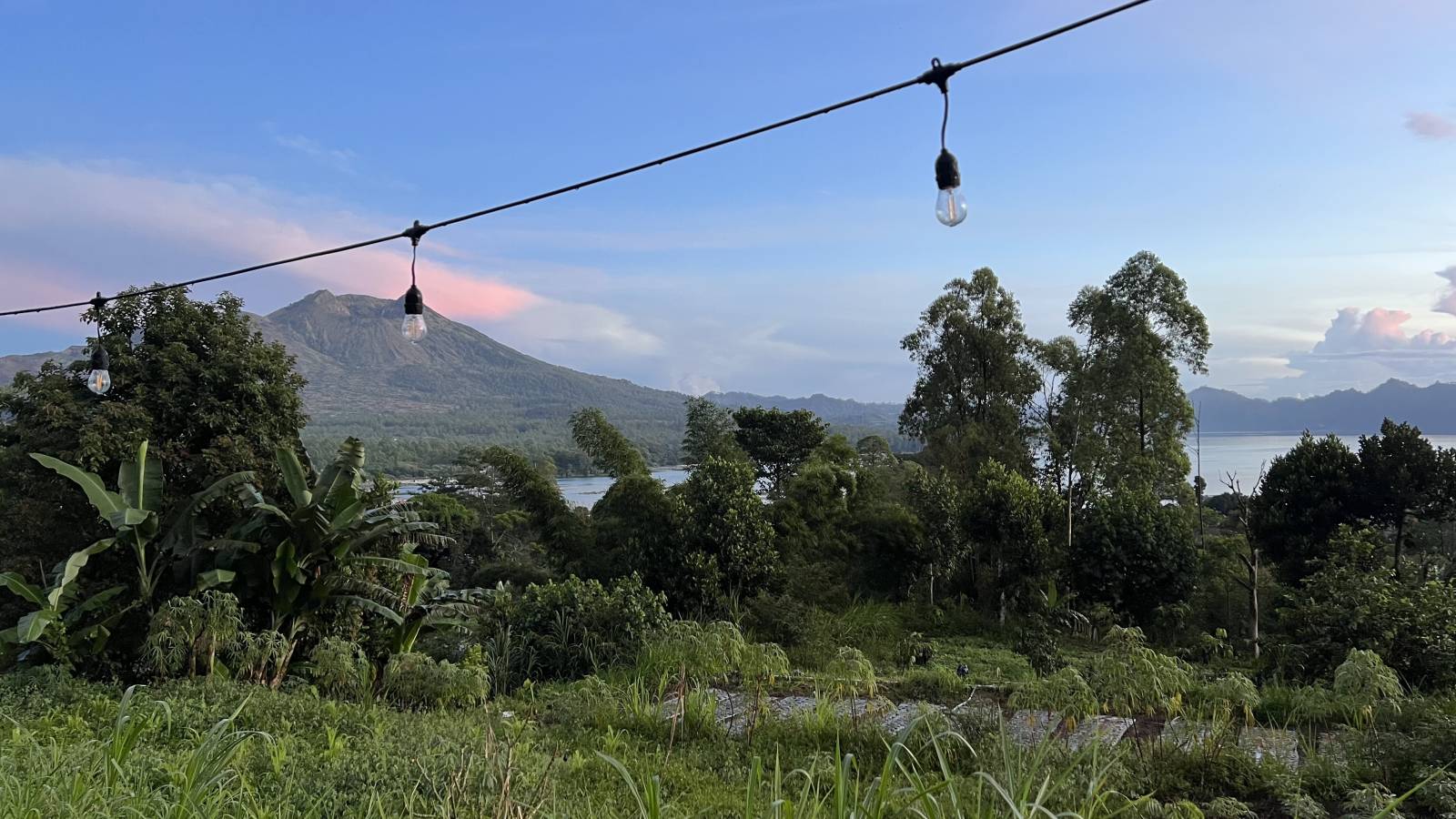
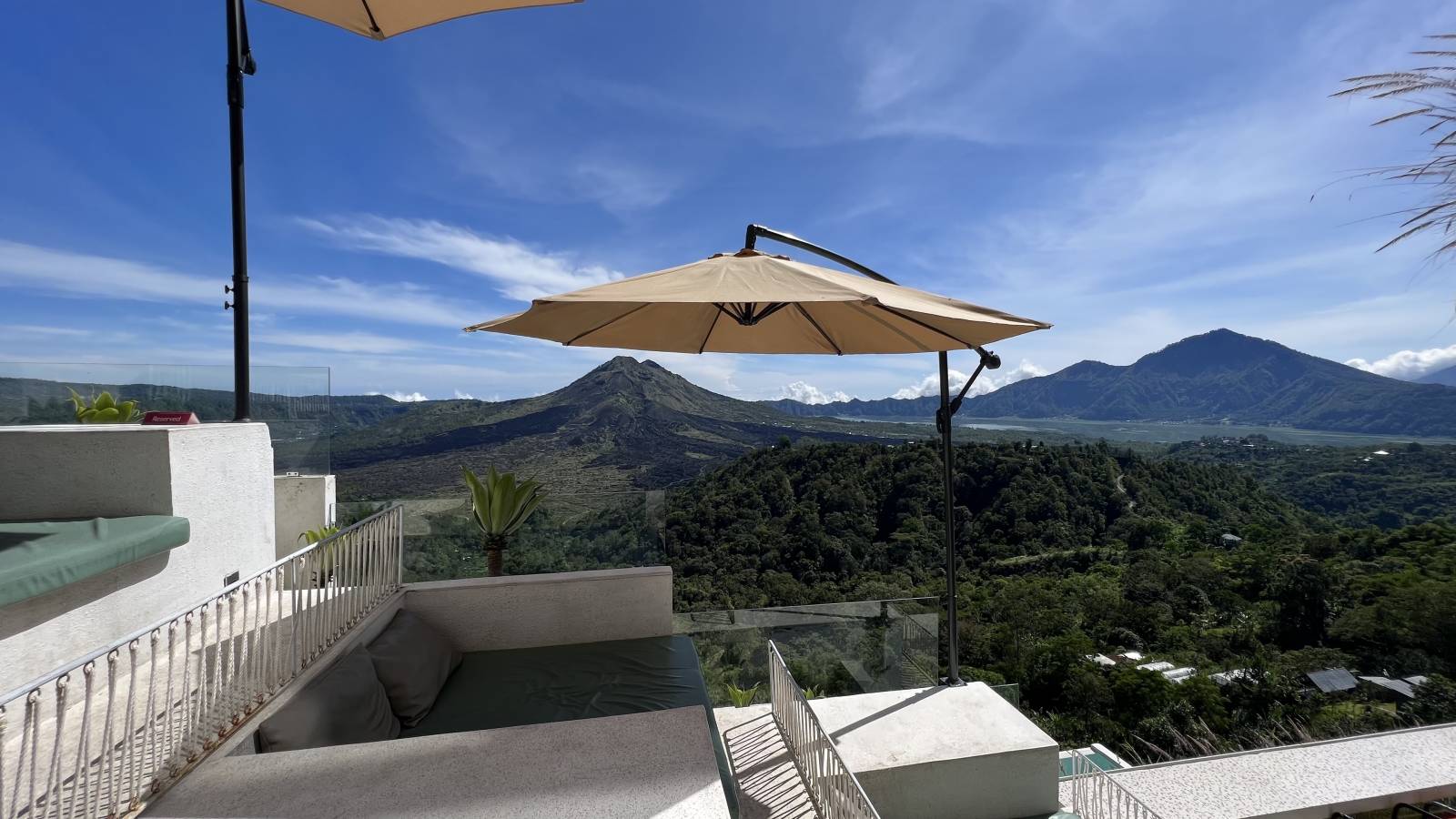
Kintamani is a mountain district in Bangli Regency, in central Bali. Visitors come for the cooler air, views of Mount Batur and Lake Batur, the geopark museum, temples, hot springs and highland farms. It is not one park with one entrance: it is a large area with separate attractions, routes and operating rules.
The important change for a 2026 visit is not to treat old prices, opening hours or travel stories as permanent facts. Batur remains an active volcano, and Kintamani is a sensitive geological and conservation area. Before leaving, check notices from BKSDA Bali and PVMBG, the route status, weather, entrance fees and the conditions offered by the specific operator.
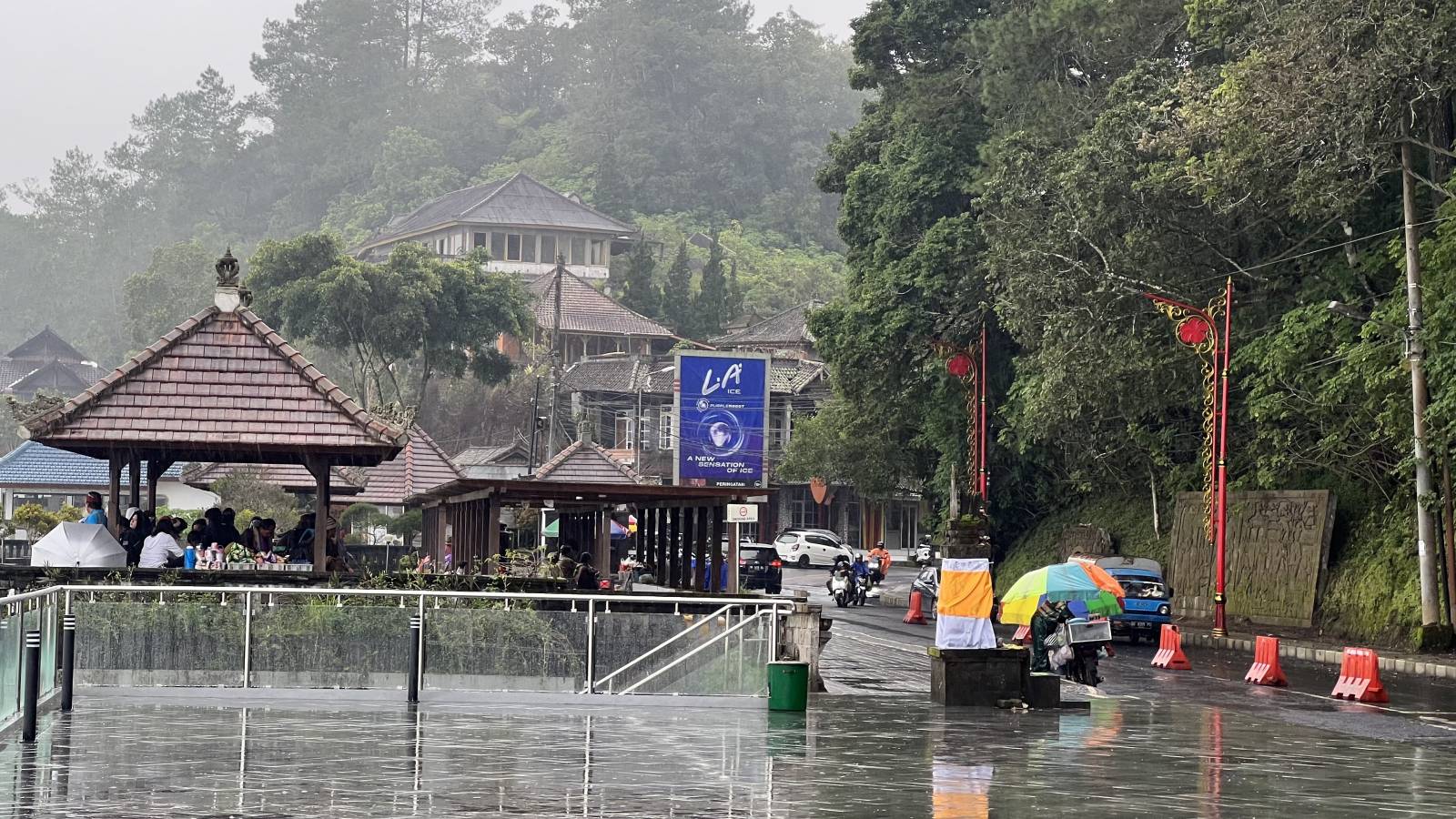
Why Kintamani and Batur are special
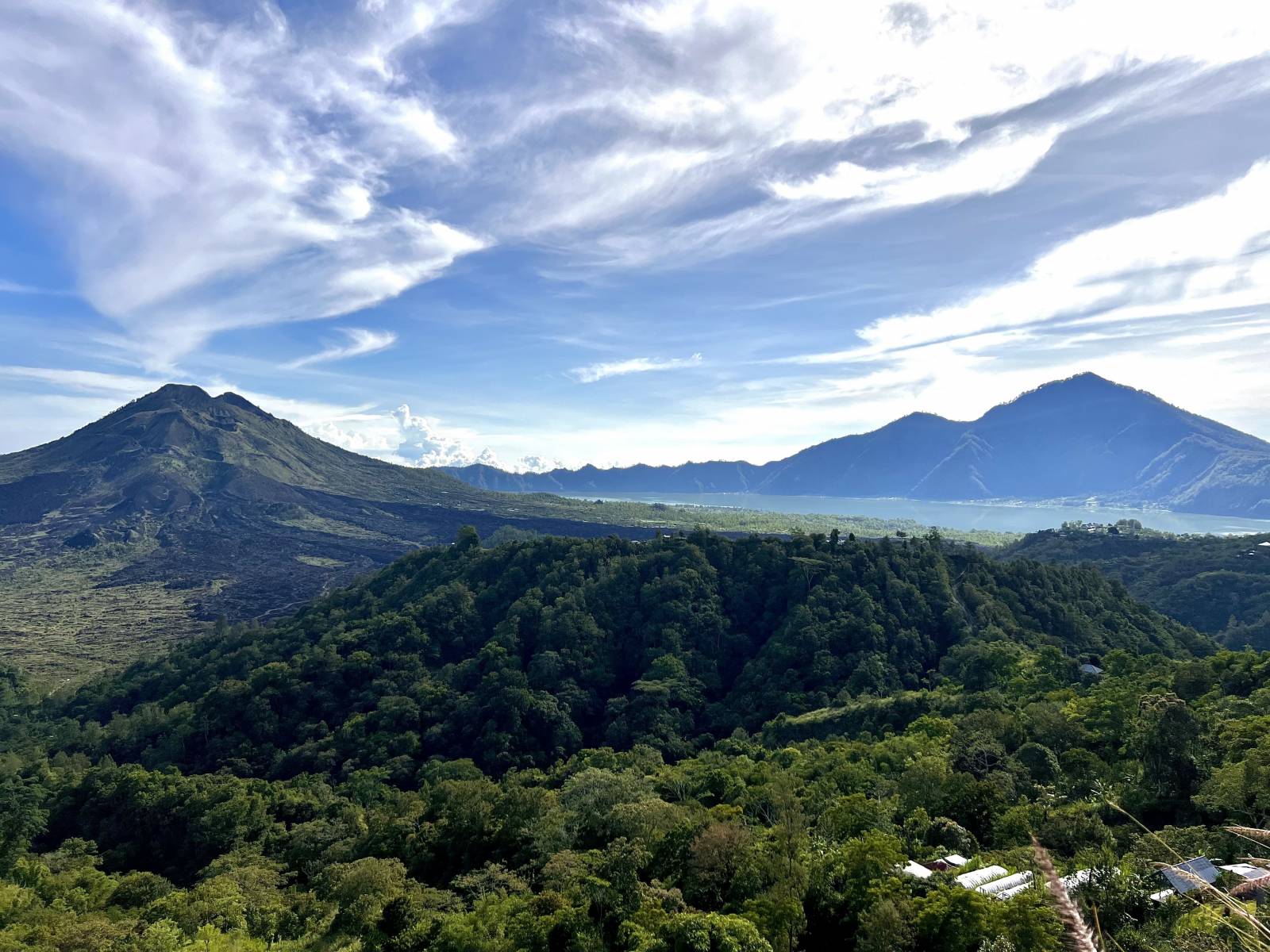
Mount Batur stands inside a large ancient caldera, while a younger inner caldera formed around the lake. This combination of a double caldera, volcanic rocks, hot springs, agriculture, local culture and traditional communities is the basis of the Batur UNESCO Global Geopark. UNESCO lists the geopark as established in 2015 and covering 15 villages in Kintamani.
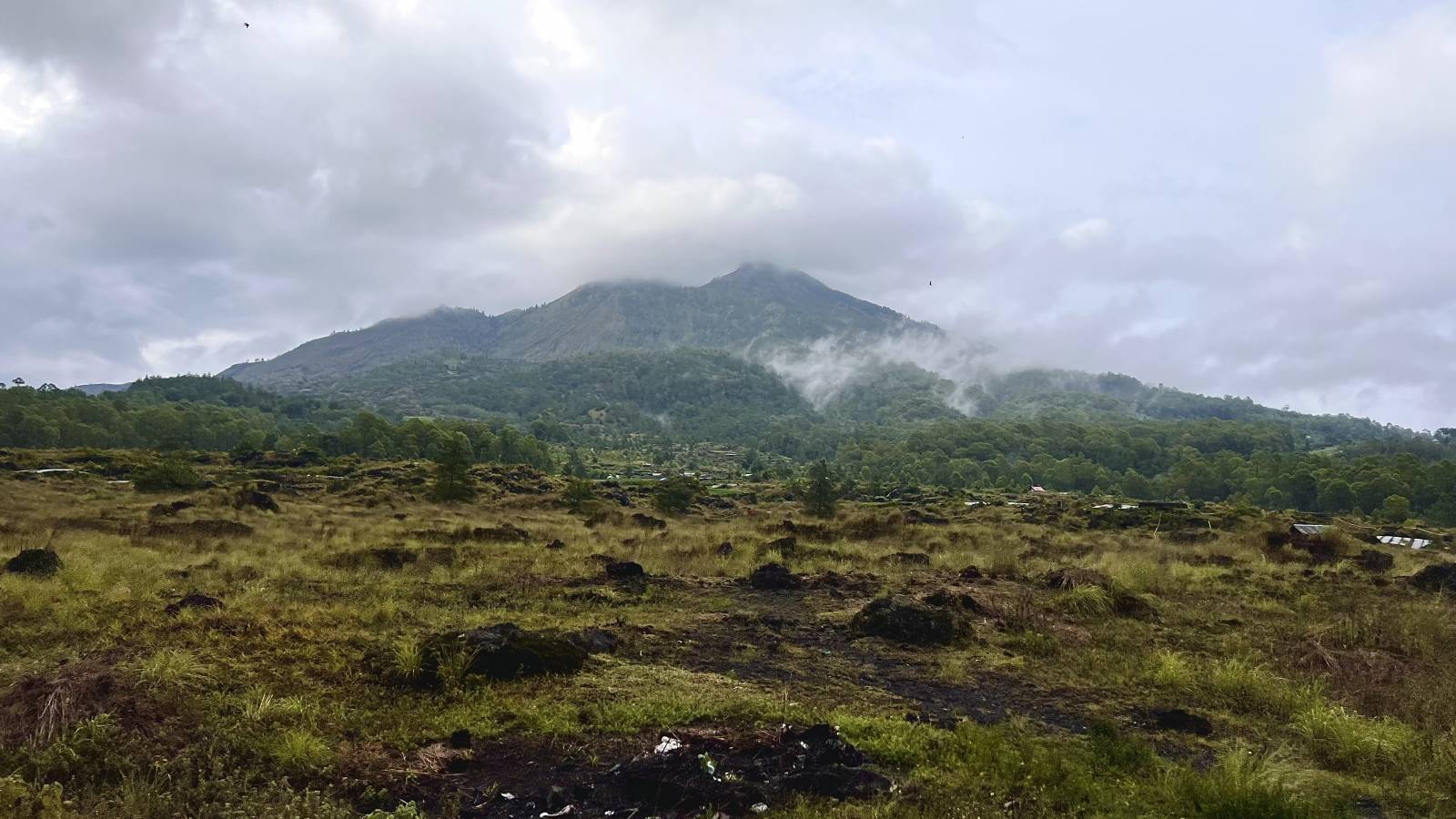
Batur is an active volcano about 1,717 metres high. UNESCO records at least 22 eruptions between 1804 and 2000. That is not a reason to avoid the area, but it is a reason not to treat the hike as an ordinary hill walk. Routes, volcanic gases, wind, heat and loose rock require a current check and respect for local instructions.
Lake Batur: a beautiful view with important limits
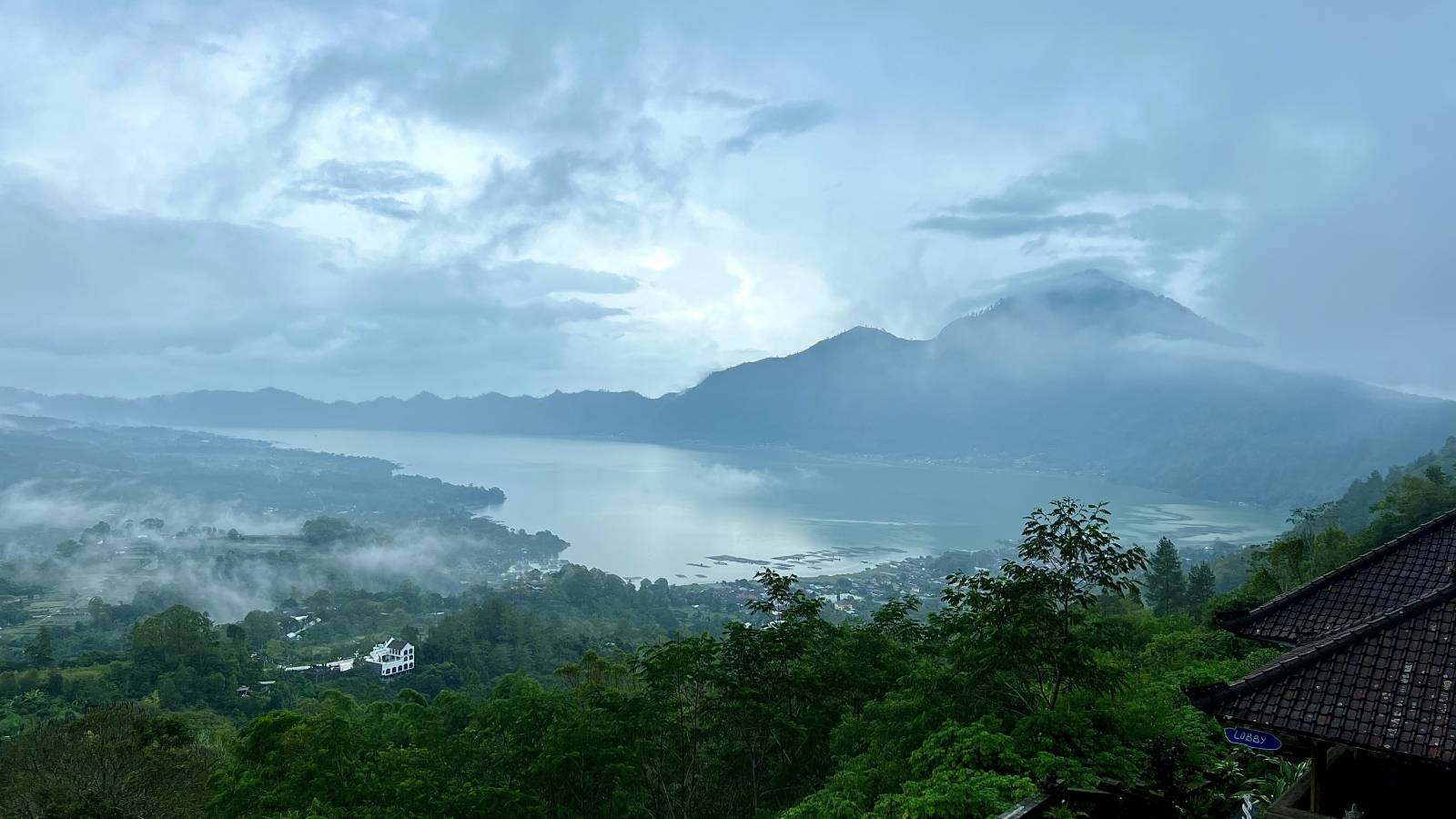
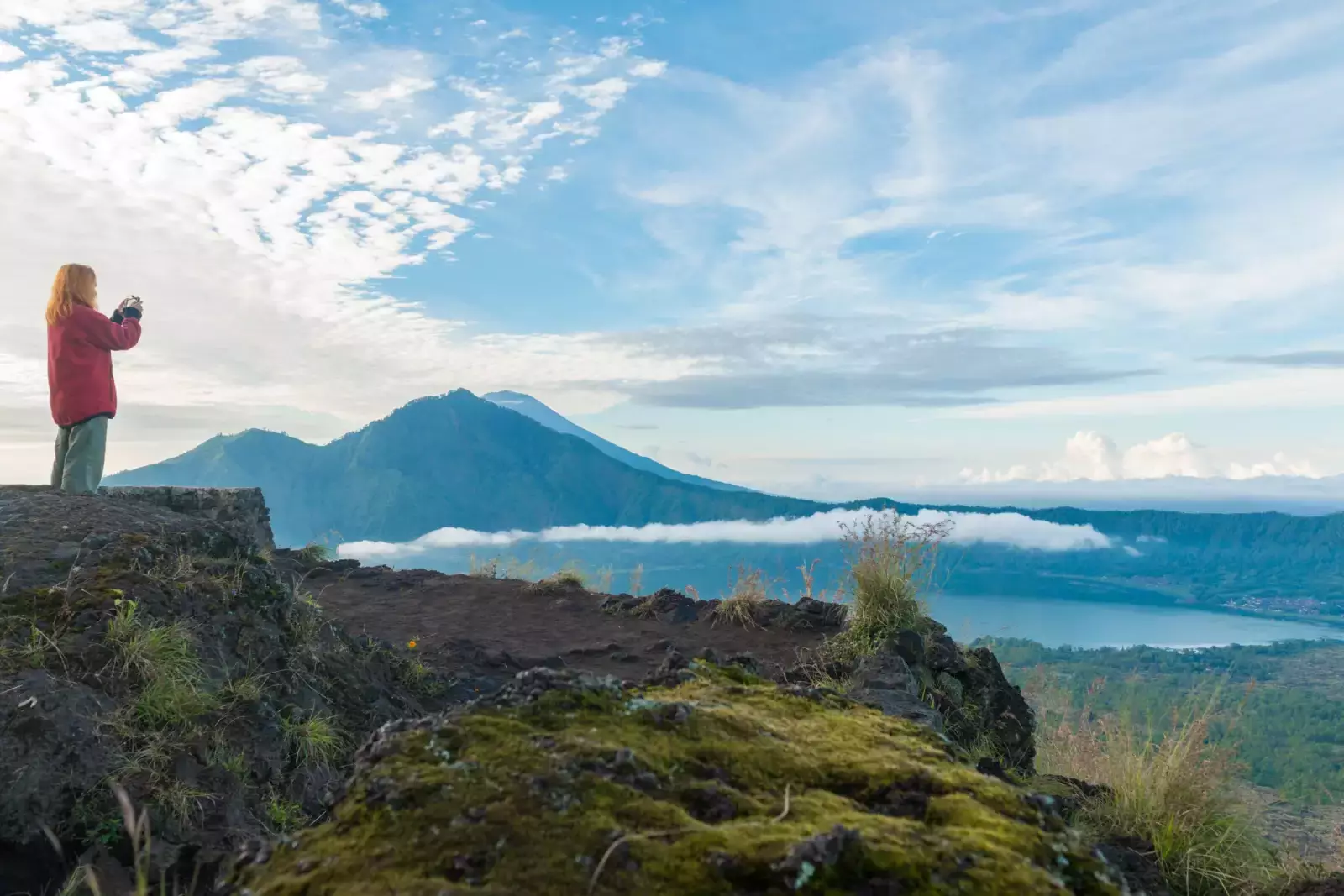
Lake Batur is a crescent-shaped volcanic lake inside the caldera. Viewpoints around Penelokan and the caldera road look across the water, slopes, villages and volcano. The shoreline includes fish farms, temples, boat services and hot springs, so it is at once a natural, religious and working landscape.
In 2026 the lake again experienced natural mixing of its water layers, bringing sulfurous gases to the surface. The event was accompanied by a hydrogen-sulfide smell, colour changes and a mass fish die-off. Indonesia’s Geological Agency described it as natural limnological and hydrothermal dynamics and said that it was not, by itself, evidence of an imminent Batur eruption. Visitors should still avoid drinking lake water, swimming where there is a sulfur smell or visible change, touching dead fish or ignoring local warnings.
Do not carry forward old claims that Lake Batur water is always safe or can be used without limits. If you notice a sulfur smell, sign, barrier or instruction from staff, postpone a boat trip and ask local authorities about current conditions. For bathing, use a licensed thermal pool rather than the lake itself.
Villages, farms and temples surround the lake, but not every shore section is public. Do not enter private land, photograph people or religious ceremonies without permission, or leave rubbish. Wear a life jacket on a boat, confirm the route and avoid going out in poor weather or with an operator who cannot explain the service clearly.
Hot springs in Toya Bungkah
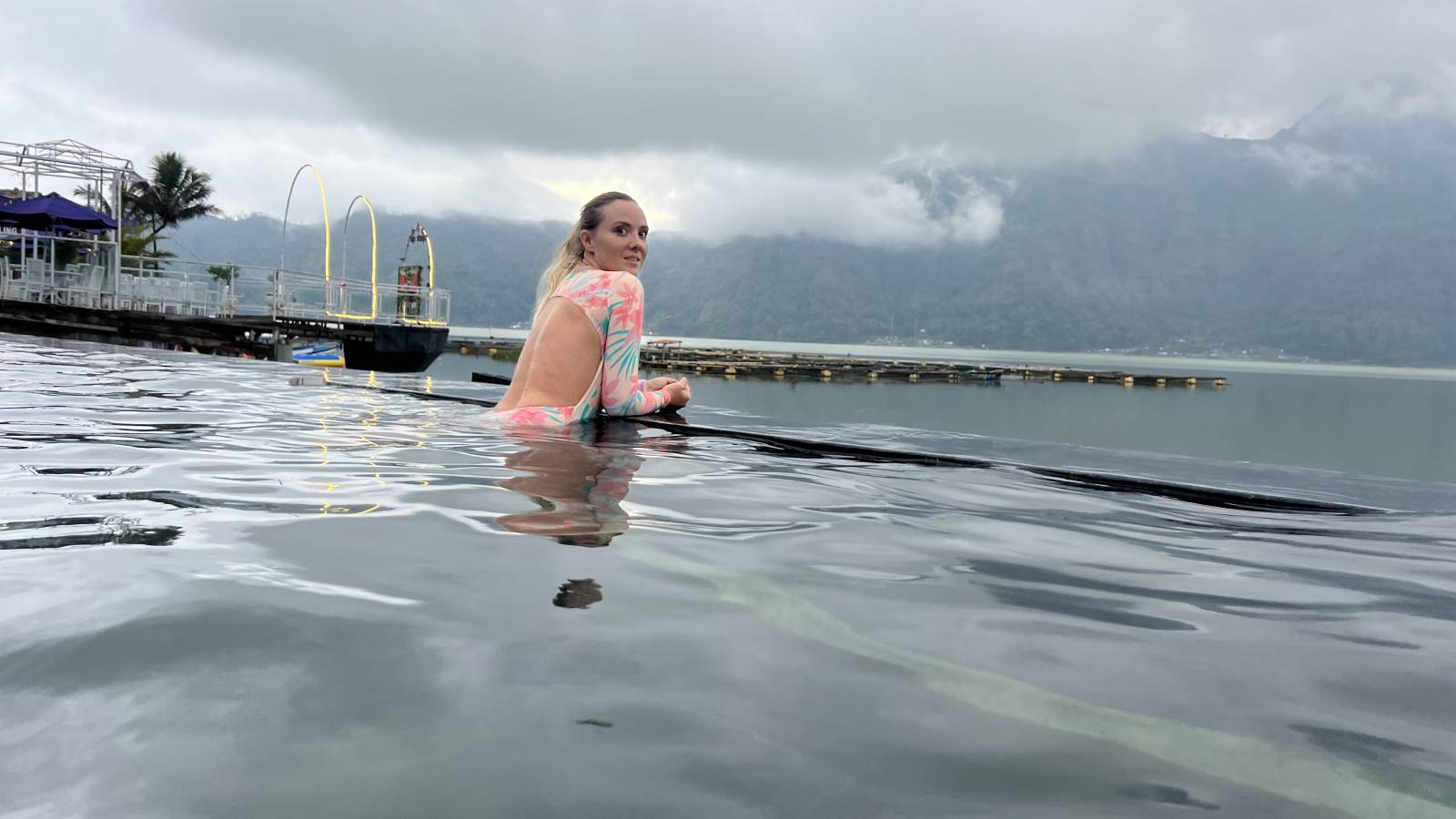
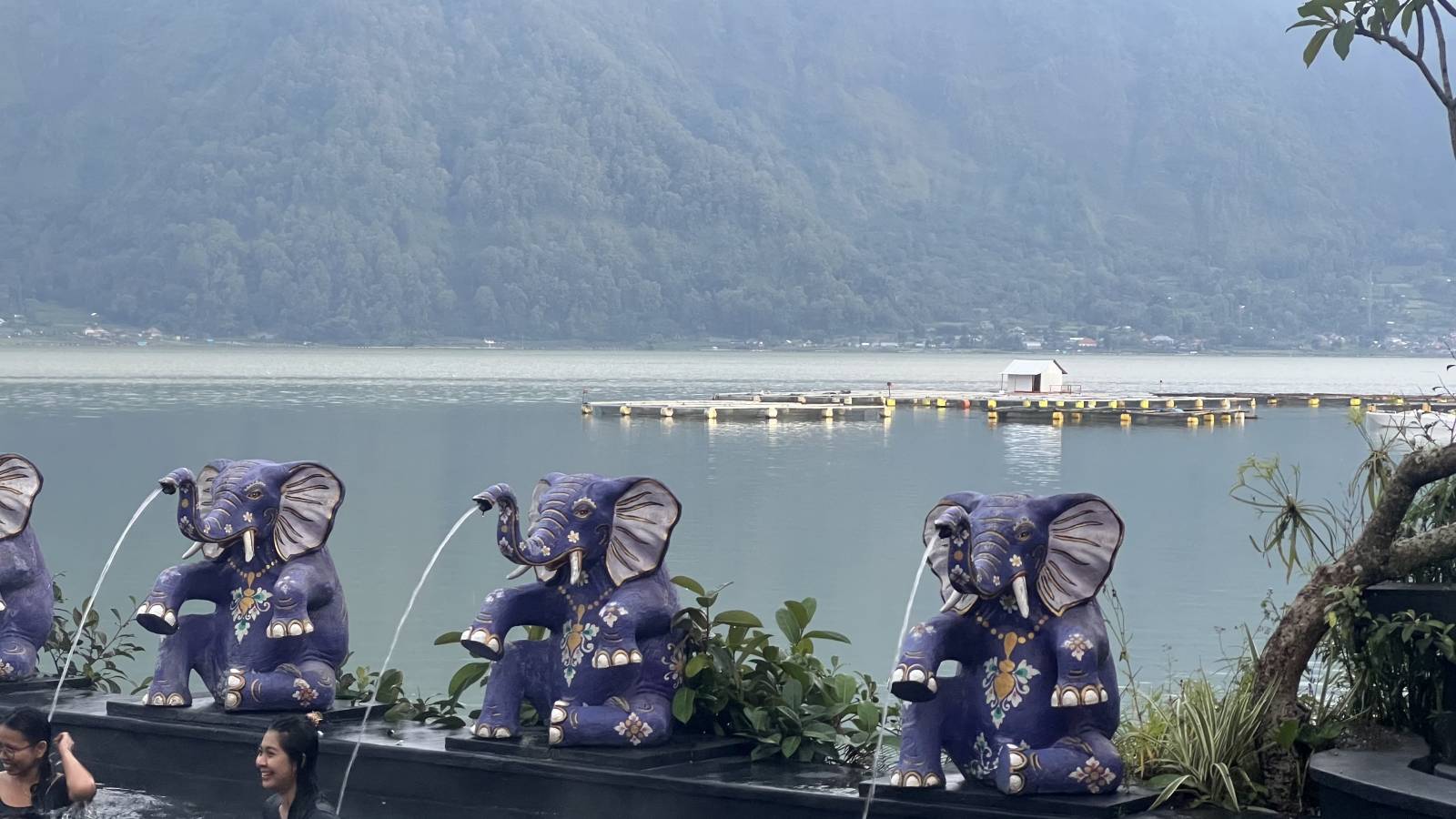
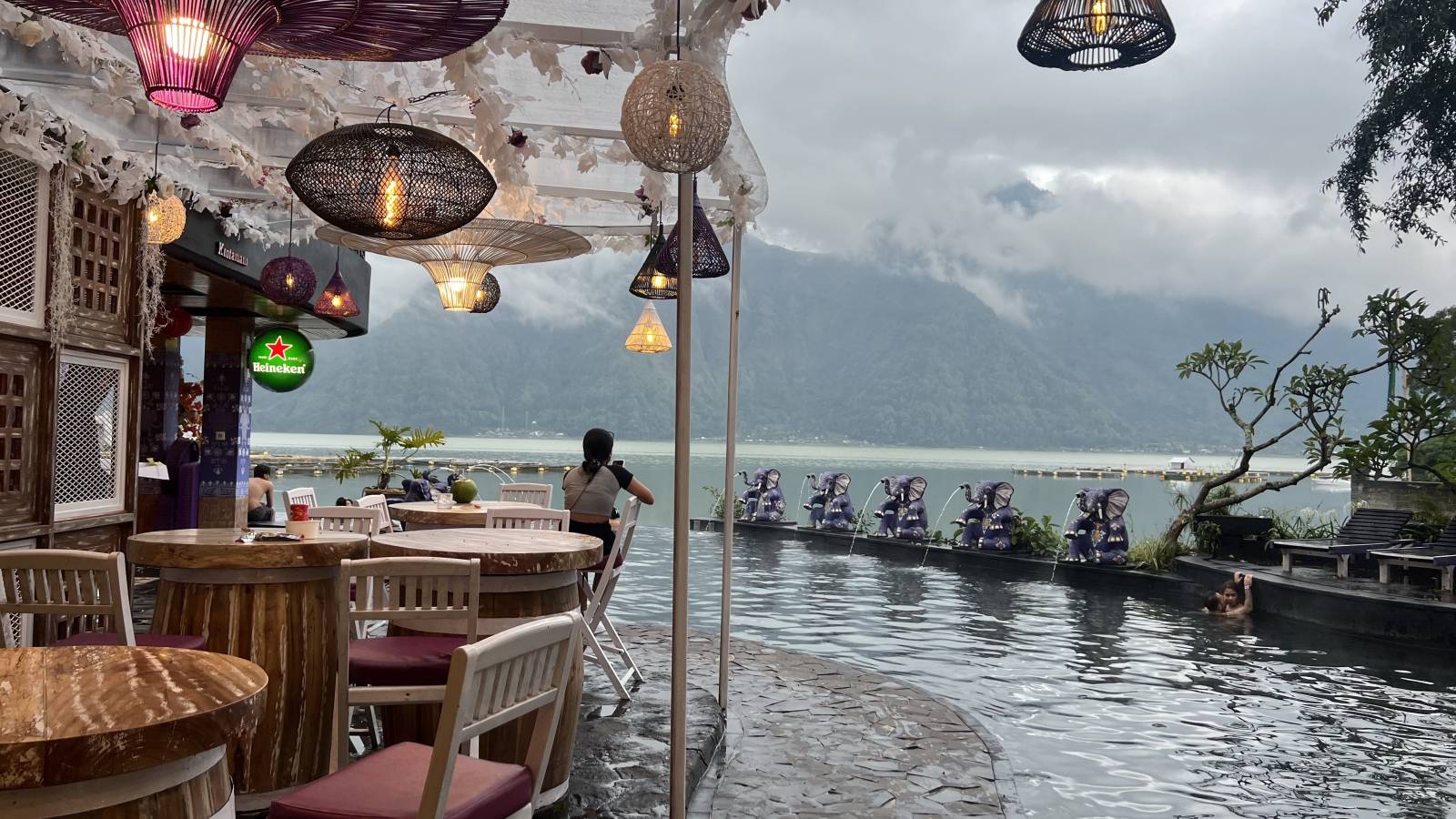
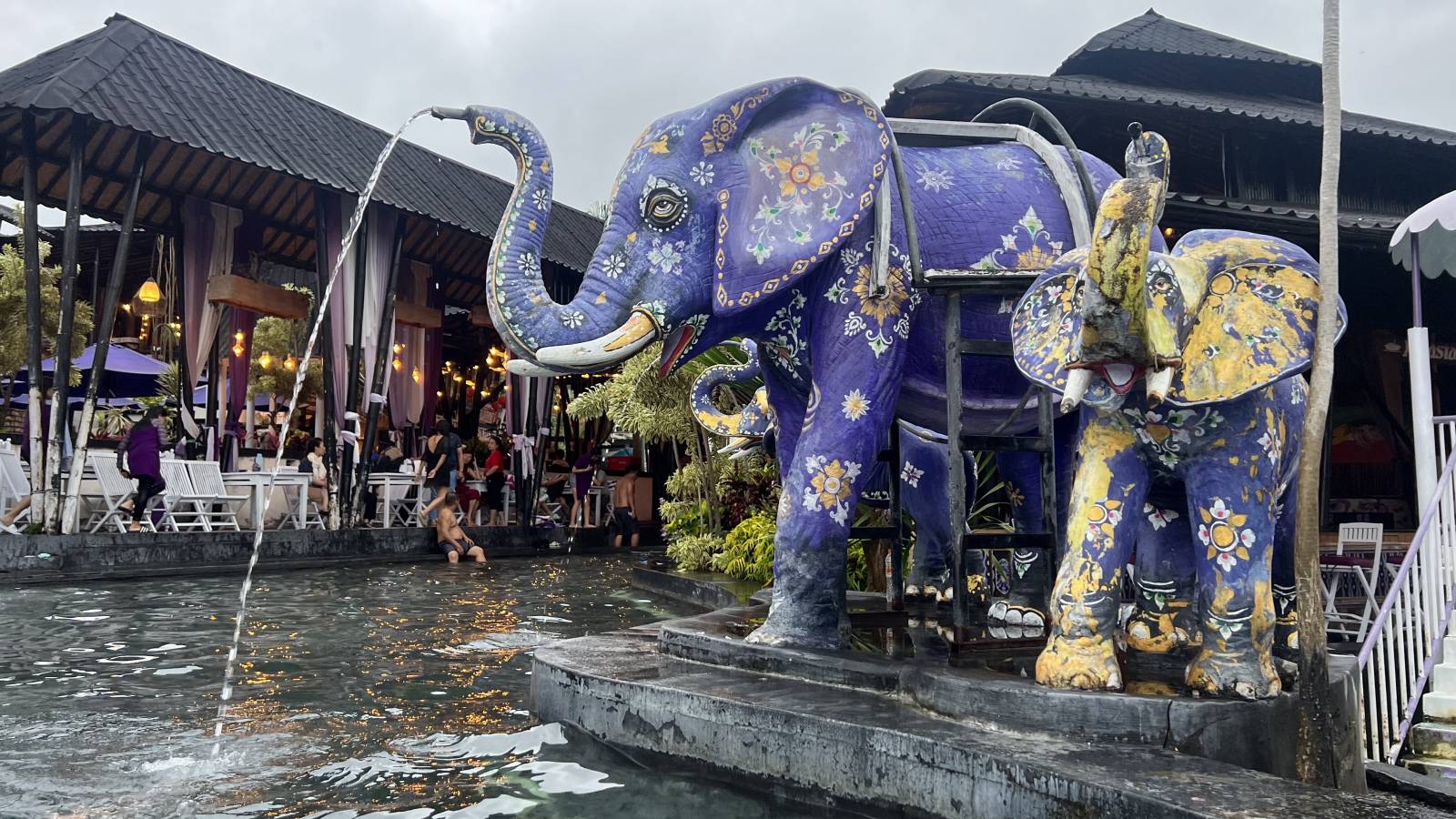
Thermal complexes operate in Toya Bungkah village, the best-known being Toya Devasya. It is a commercial pool complex with lake views, relaxation areas and additional services. Temperature, available pools, hours and prices depend on the package and visitor category, so an old number from an article or review should not be treated as current. Check the complex’s official channel on the day of your visit.
Hot springs are not medical treatment. People with cardiovascular conditions, pregnant visitors, children and anyone who reacts badly to heat should assess the risks and follow the facility’s restrictions. Do not drink pool water, dive in unfamiliar areas or stay in the heat without breaks. If you want a quieter lake view, avoid peak times; sunset and weekends are usually busier.
Museum Geopark Batur
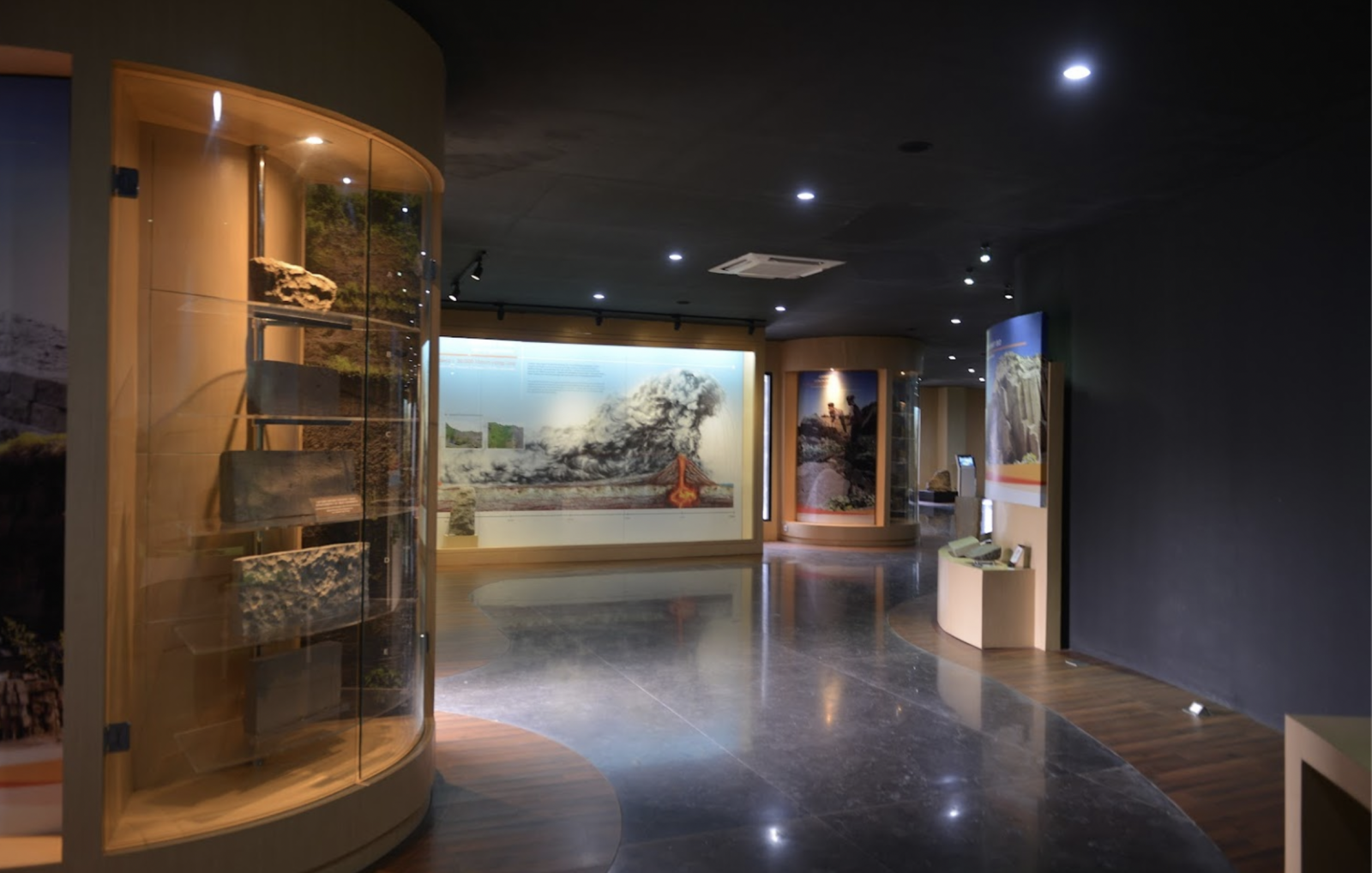
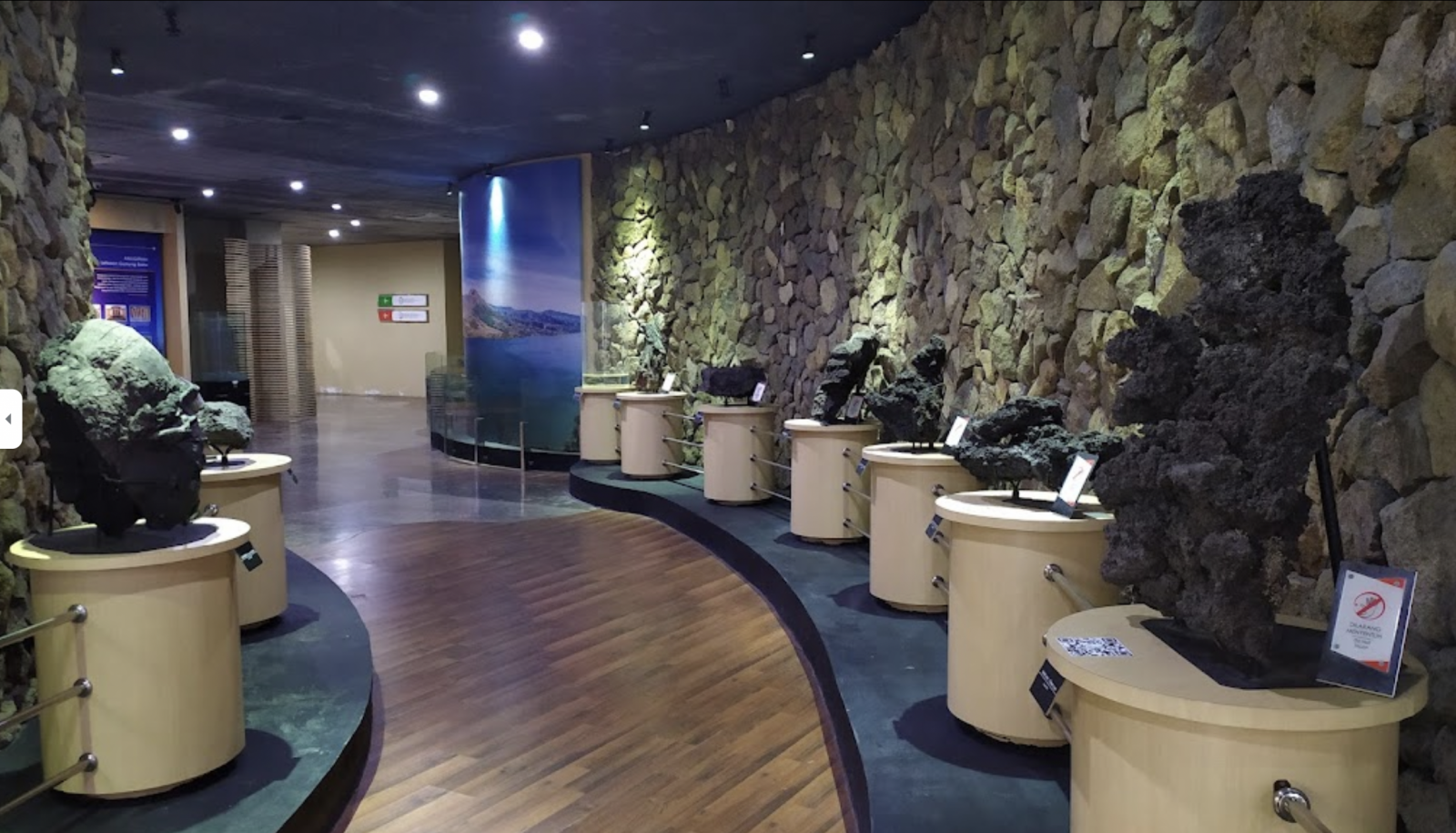
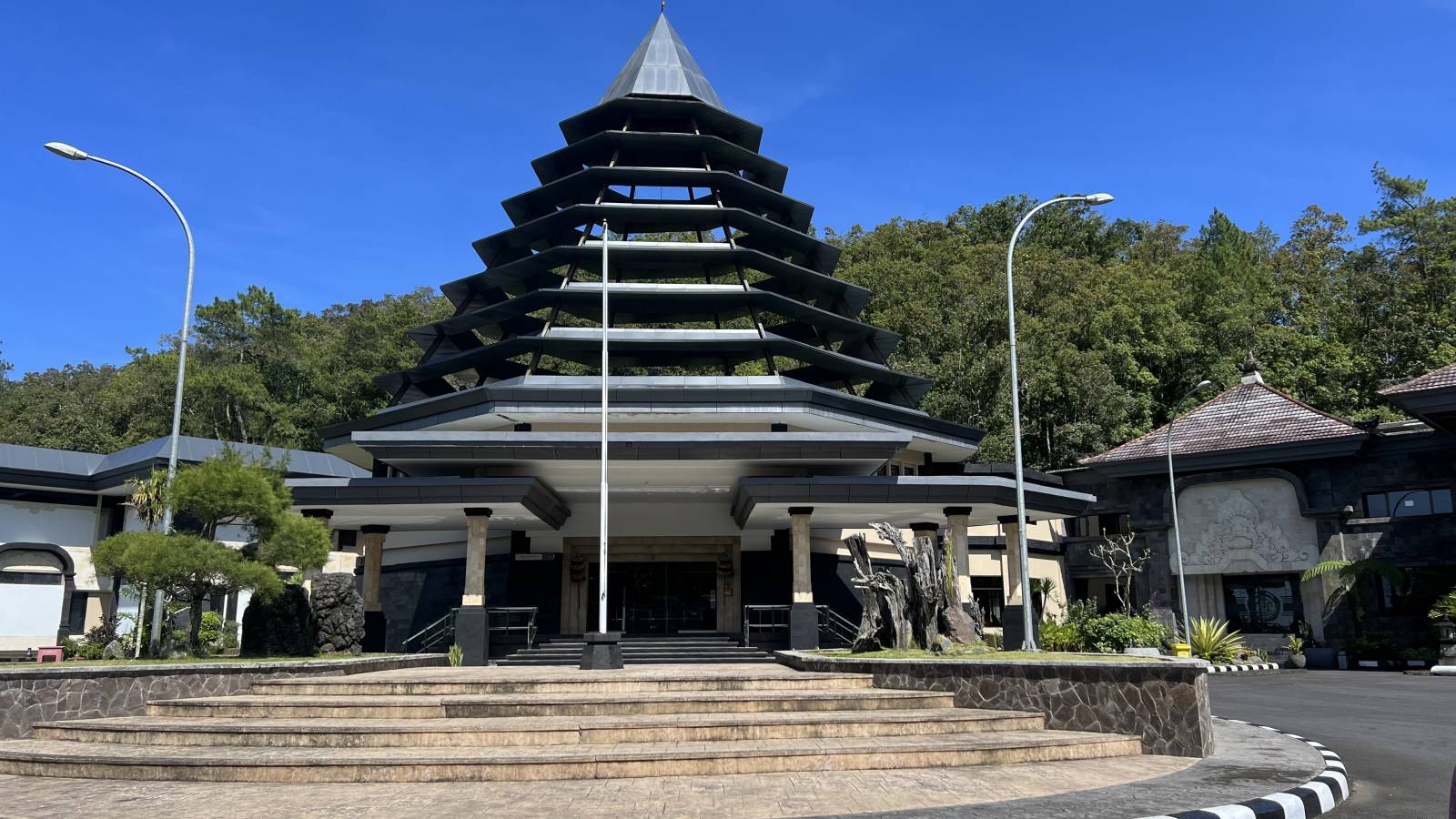
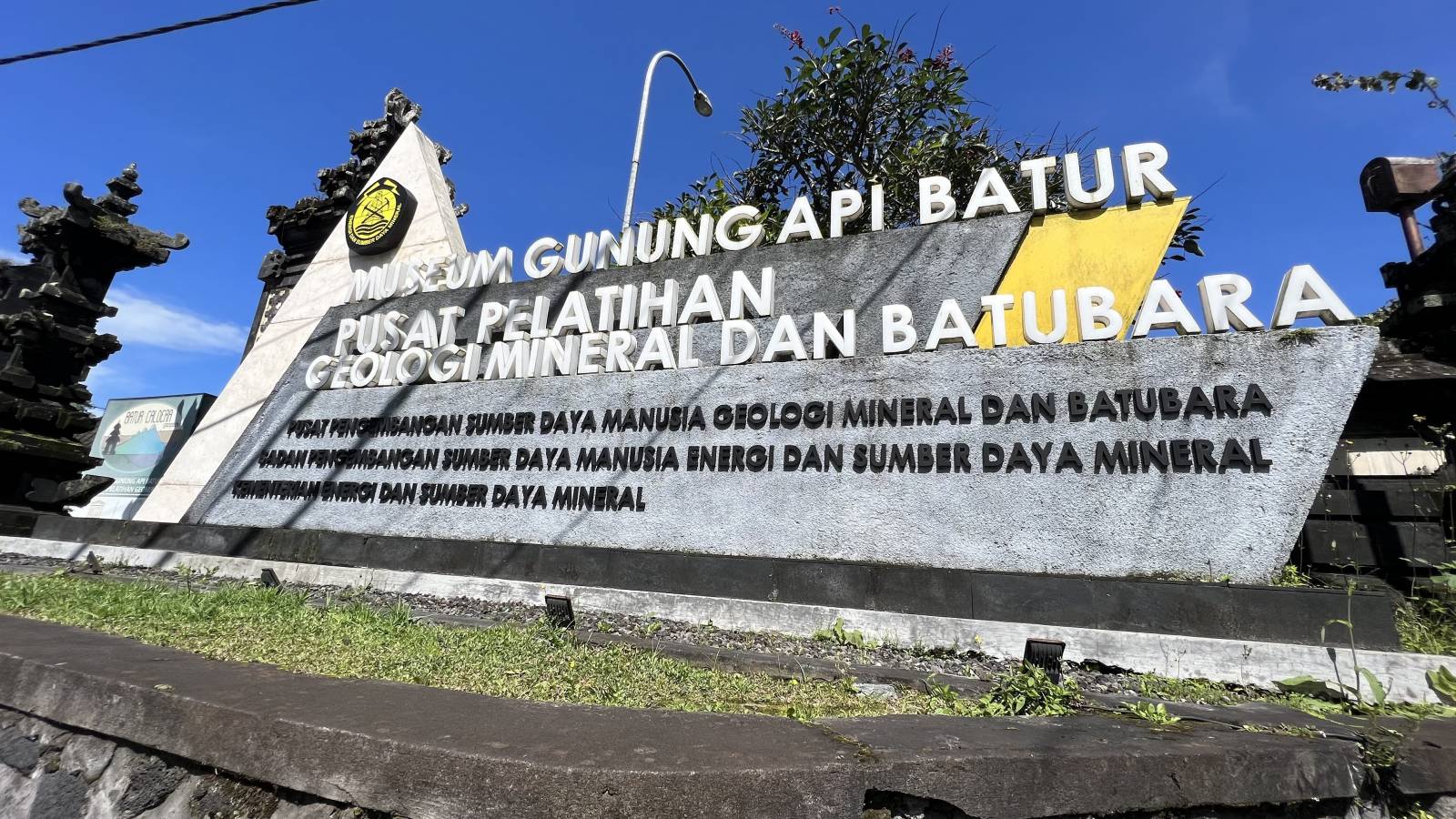
Museum Geopark Batur in the Penelokan area explains how the volcano, caldera and lake formed. Its exhibits cover rocks, eruptions, geological processes, biodiversity and the cultural heritage of Kintamani. It is a useful stop before the hike because it gives context to the landscape seen from the viewpoints.
Published information from Indonesia’s Ministry of Energy and Mineral Resources listed the museum as open daily around 09:00–16:00 with free admission. Government facilities and individual galleries can change their schedule, so check the current hours before travelling. Do not confuse the geopark designation with a World Heritage Site: Batur is a UNESCO Global Geopark, while Lake Batur and Pura Ulun Danu Batur are connected with UNESCO’s separate Cultural Landscape of Bali Province, the subak system.
Sarongs, stories and Batur’s history
Stories about dressing Batur in a sarong belong to local legends and religious understandings, not to a proven method of stopping an eruption. They can be presented as cultural context, but not as a historical fact or a scientific explanation of volcanic activity.
Batur does have a complex eruption history. One of the most devastating events occurred in 1926, destroying the Batur settlement and Pura Ulun Danu Batur at their earlier location and forcing the community to move. In 2026 Bali marks a century since Rarud Batur, the memory of that relocation. At temples, wear a sarong and modest clothing, stay outside restricted areas and ask before photographing a ceremony.
Sunrise hiking on Mount Batur
Hikers usually start at night to reach the summit for sunrise. Depending on the trailhead, the ascent takes roughly 1.5–2 hours, but the actual time changes with pace, crowds, weather and trail conditions. Official route grading places Batur routes at Grade I–II: suitable for a prepared beginner, but involving sand, volcanic rock, steep sections and a slippery descent.
Common trailheads are associated with Toya Bungkah, Pura Jati, Pura Pasar Agung and other local routes. Access rules, registration, guide arrangements and fees can differ. Foreign visitors in Bali should also account for the rule requiring a licensed guide at tourist attractions; book through a clear official or local channel and confirm what the service includes.
For a night hike bring closed shoes with good grip, a warm layer, a torch, water, gloves if needed and a small backpack. Do not rely on coffee, breakfast or summit vendors as guaranteed services. Do not cook in a natural area, leave cigarette ends or leave the trail. During the dry season, wildfire risk in TWA Gunung Batur Bukit Payang is higher, making smoking and open flames particularly dangerous.
Do not hike if you feel unwell, or if there is severe wind, a storm, smoke or a route closure. If you develop breathlessness, dizziness, chest pain, nausea or confusion, turn around and ask the guide or emergency staff for help. A sunrise is never worth taking that risk.
Pura Ulun Danu Batur
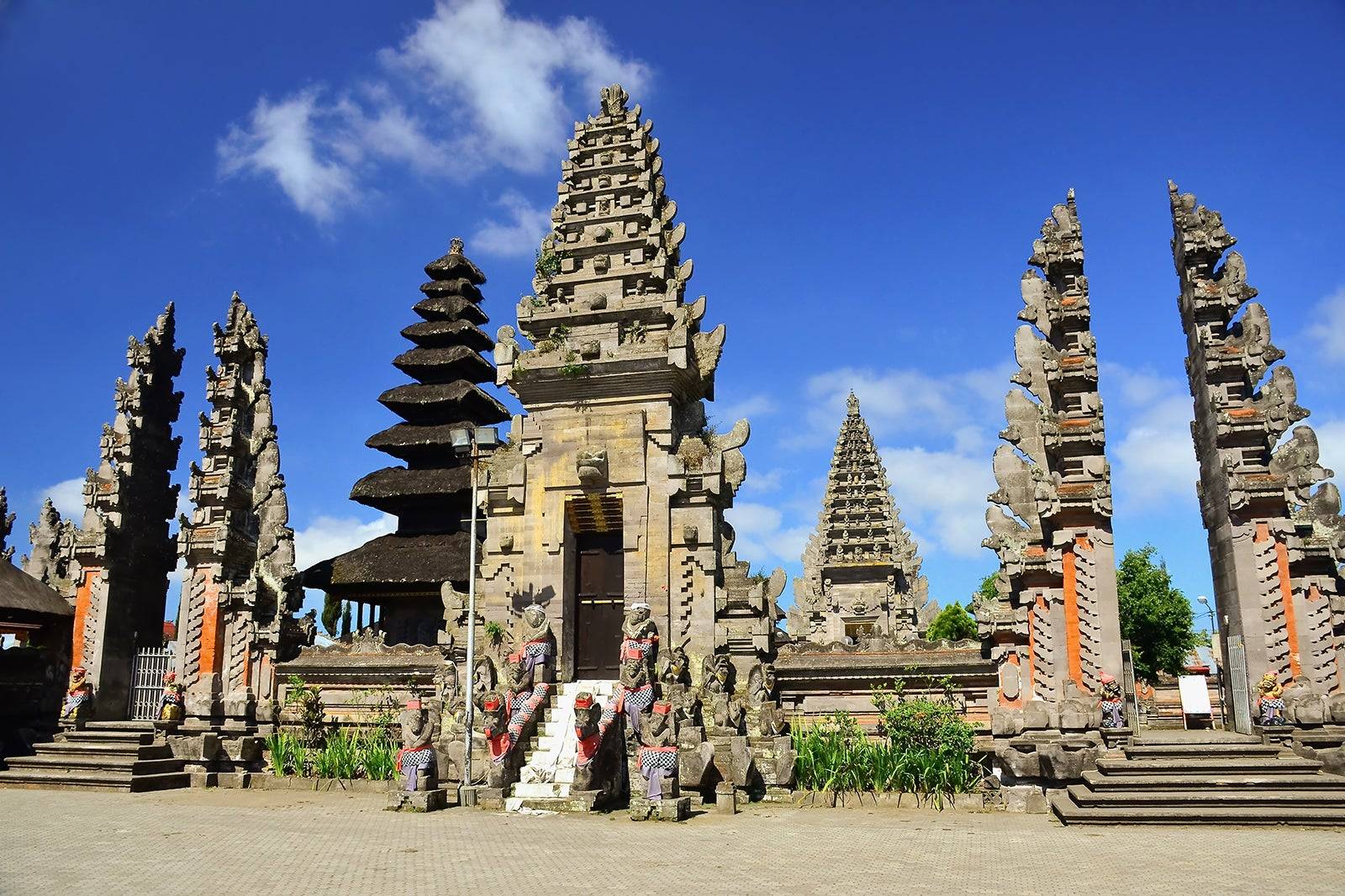
Pura Ulun Danu Batur is an important temple associated with Dewi Danu and water. It should not be treated as only a photo stop: it is an active sacred place. Follow clothing requirements, stay out of closed areas, do not disturb worshippers and do not fly a drone without permission.
The temple is part of Bali’s cultural landscape connected with the subak system and water management. This helps explain why the lake, springs, fields, temples and villages of Kintamani form a connected natural and cultural system rather than a list of unrelated sights.
Farms and Kintamani products
The cool highland villages grow coffee, Kintamani oranges, vegetables and other crops. Roadside tastings and small farms are common. Ask whether entry is free, what the tasting includes and where photography is allowed. Do not buy coffee only because it is described as the “rarest”; ask about the variety, processing and actual place of production.
Civet coffee deserves a separate ethical check. If it is offered, ask whether the animals live in a natural environment, whether the origin is transparent and whether cages are used. Declining a questionable tasting is a reasonable choice.
Where to stay overnight
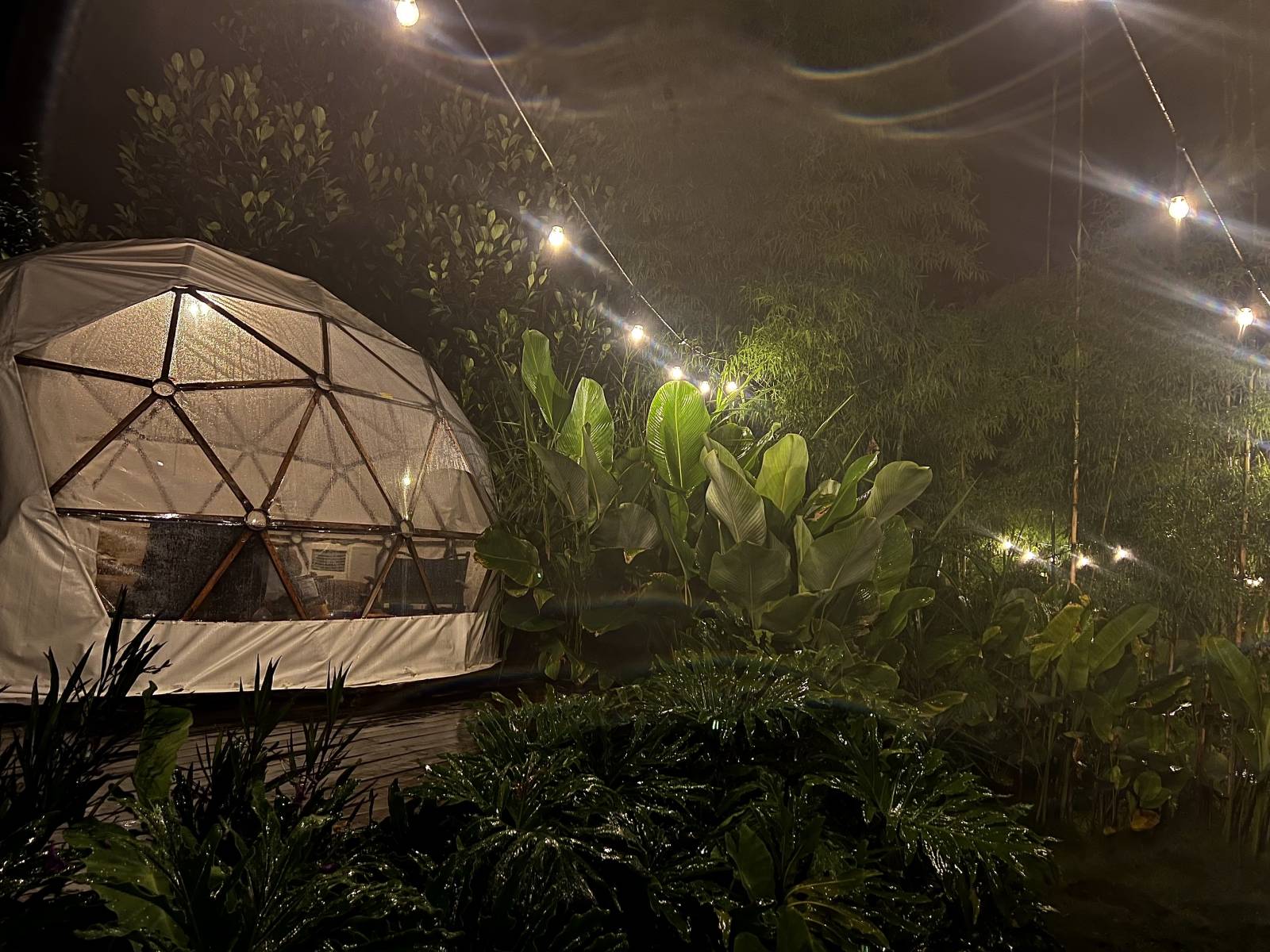
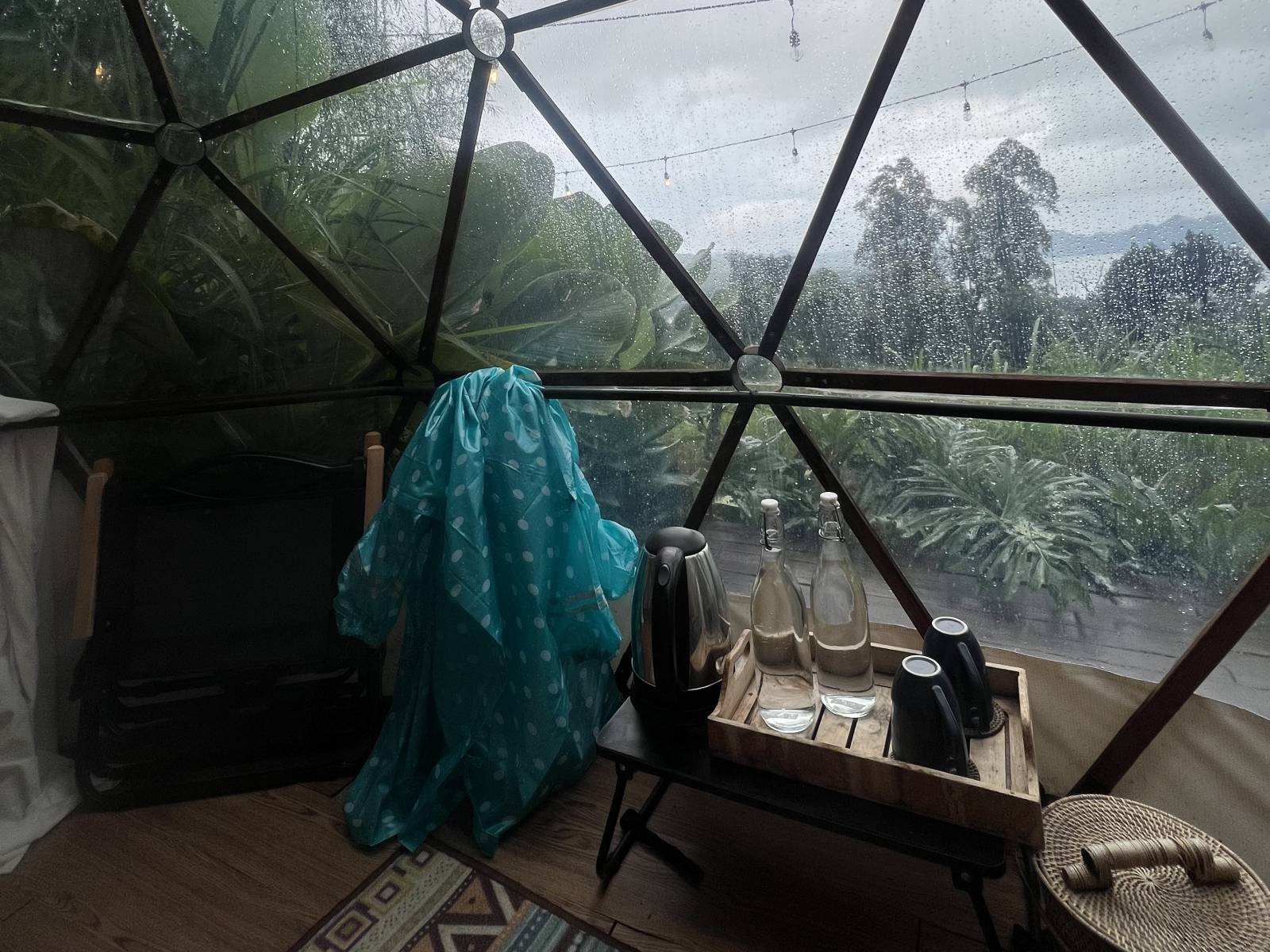
Kintamani can be visited as a day trip from Ubud, Sanur or southern Bali, but staying near the caldera gives you a chance to see sunrise without a night transfer. Accommodation is available around Penelokan, Toya Bungkah and neighbouring villages. Check the exact map location: “Kintamani” covers a large area, and a claimed Batur view does not guarantee proximity to the trail or lake.
Ask about hot water, heating or thick blankets, a generator, Wi-Fi and the road to the property. Mountain nights are cool, and some roads are dark and winding. If you plan to hike, confirm where the guide meets you, whether a transfer is included and whether cancellation is possible if the trail closes or weather worsens.
Tickets, roads and costs
Kintamani contains several sites with different operators. Entry to TWA Gunung Batur Bukit Payang, the museum, thermal complex, temple, parking, boat, guide and transfer are separate expenses. BKSDA Bali published TWA rates of IDR 100,000 for international visitors, IDR 10,000 for Indonesian visitors Monday–Saturday and IDR 15,000 on Sundays and public holidays. This is not the full trip budget and may not include summit guiding; confirm the rate at the official ticket post.
Some entrances use cashless payment, so carry a charged phone and a backup payment method. Do not buy a ticket from someone who cannot show a clear tariff or receipt. If you travel with a driver or tour operator, ask them to separate entrance fees, parking, guide costs and optional stops in advance.
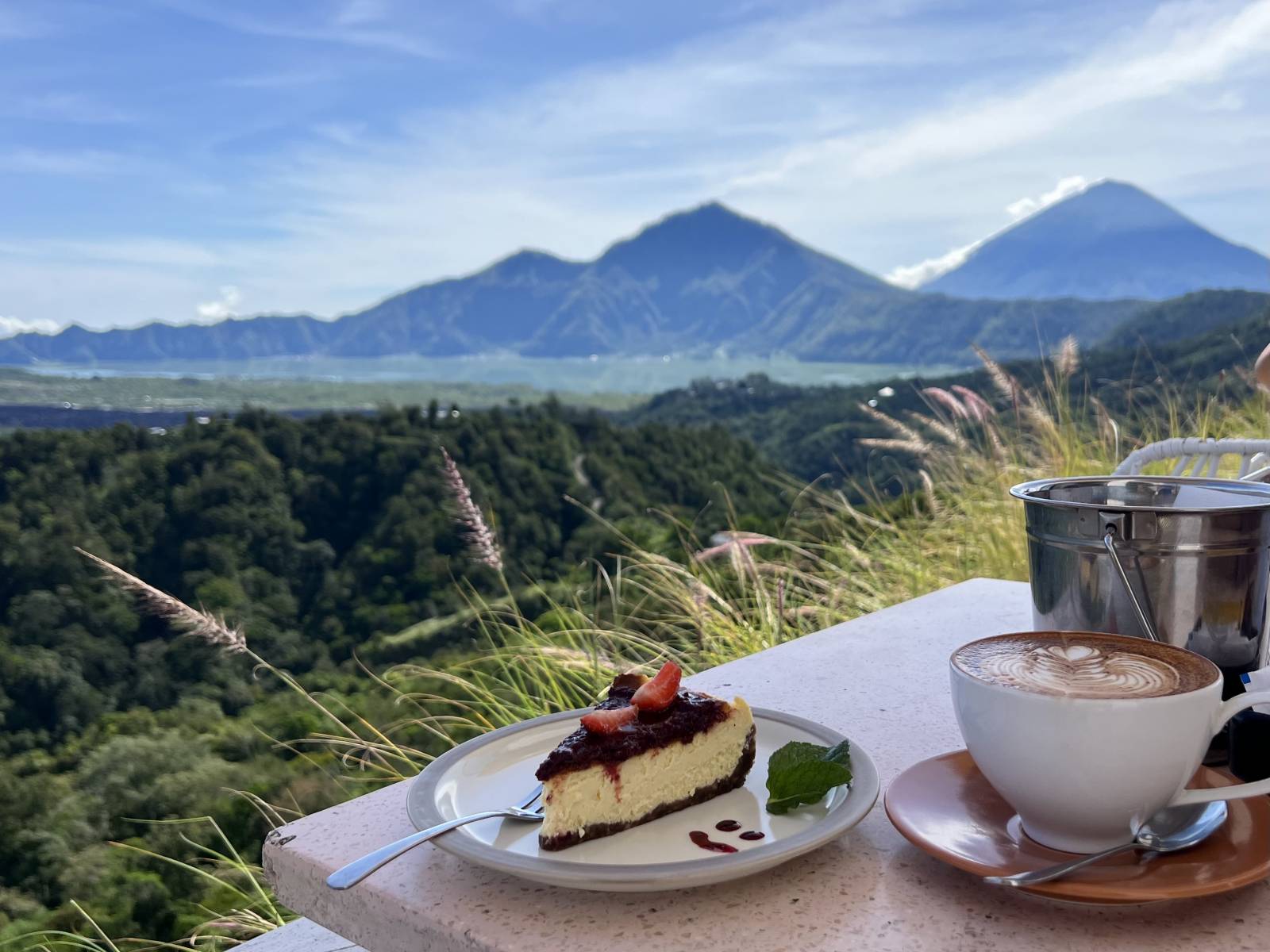
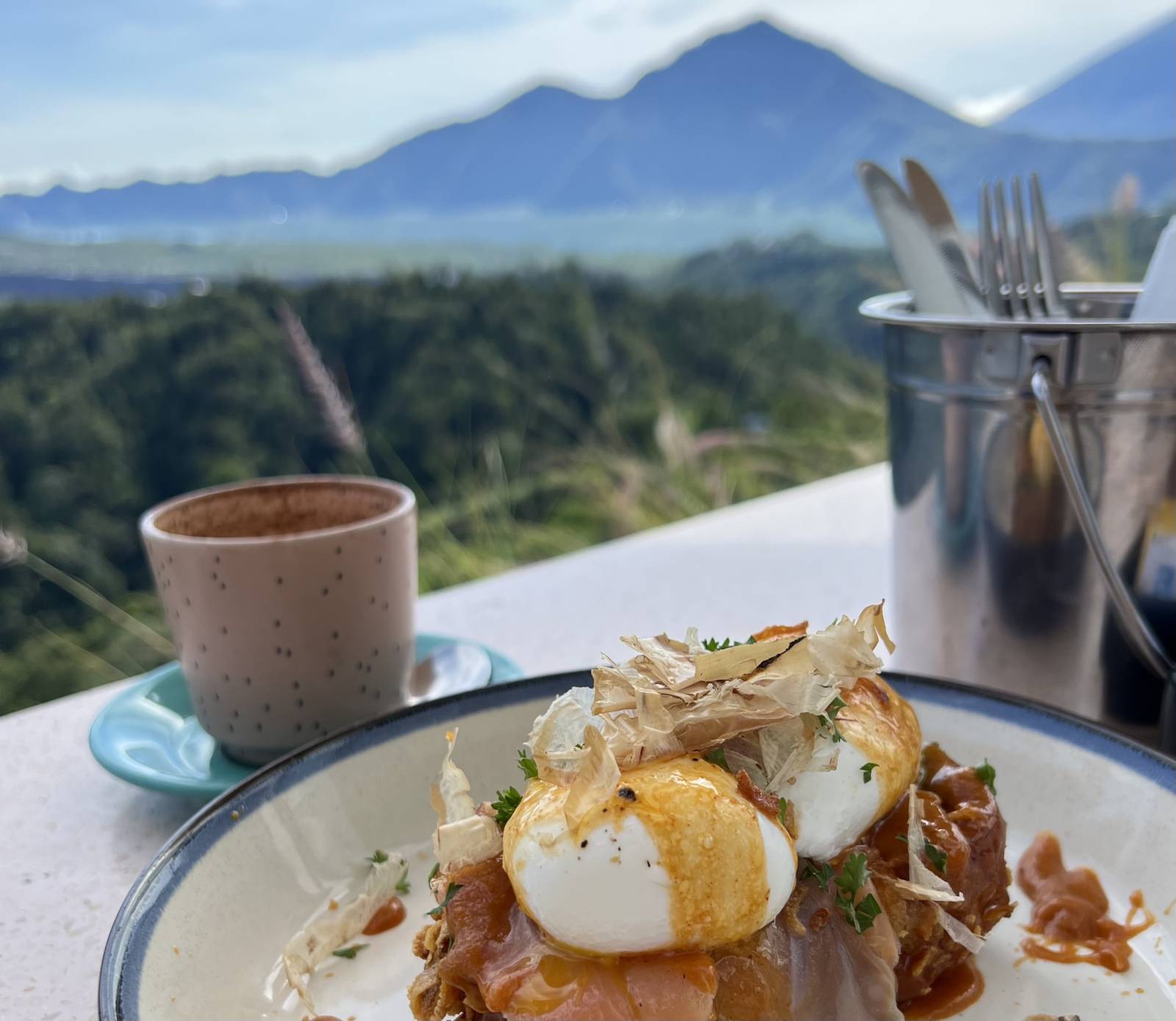
From Bali’s southern tourist areas, the drive to Kintamani can take a substantial part of the day; leave time for traffic and stops. For a self-drive trip, check brakes, helmet, fuel and weather. Mountain roads are not a place for risky riding. A calmer option is a car with an experienced driver and a route that does not try to cover every attraction in one day.
Kintamani is worth visiting for the combination of geology, culture and village life, not only for a volcano photograph. Check warnings and opening hours, respect temples and private land, do not swim in questionable lake water, never leave fire on the slope and do not treat old prices as current. This approach lets you experience Batur beautifully and safely, without making promises that the landscape cannot keep.
Sources: UNESCO — Batur UNESCO Global Geopark; Indonesia Travel — Kintamani; Indonesia’s Ministry of Energy and Mineral Resources — Batur museum and geology; BKSDA Bali — TWA Gunung Batur Bukit Payang; ANTARA — natural limnological and hydrothermal dynamics in Lake Batur.