Top 5 reasons why Bali might disappoint you
It happens that travelers who arrive in Bali for the first time and did not know about its features are left disappointed. It is important to understand what it is and how it meets your expectations. For example, not everyone knows that Bali is not a beach holiday. Or that during the rainy season there is really a lot of rain and garbage. So, what is important to know in order not to be disappointed?
Reason 1: Beaches: Expectation/Reality
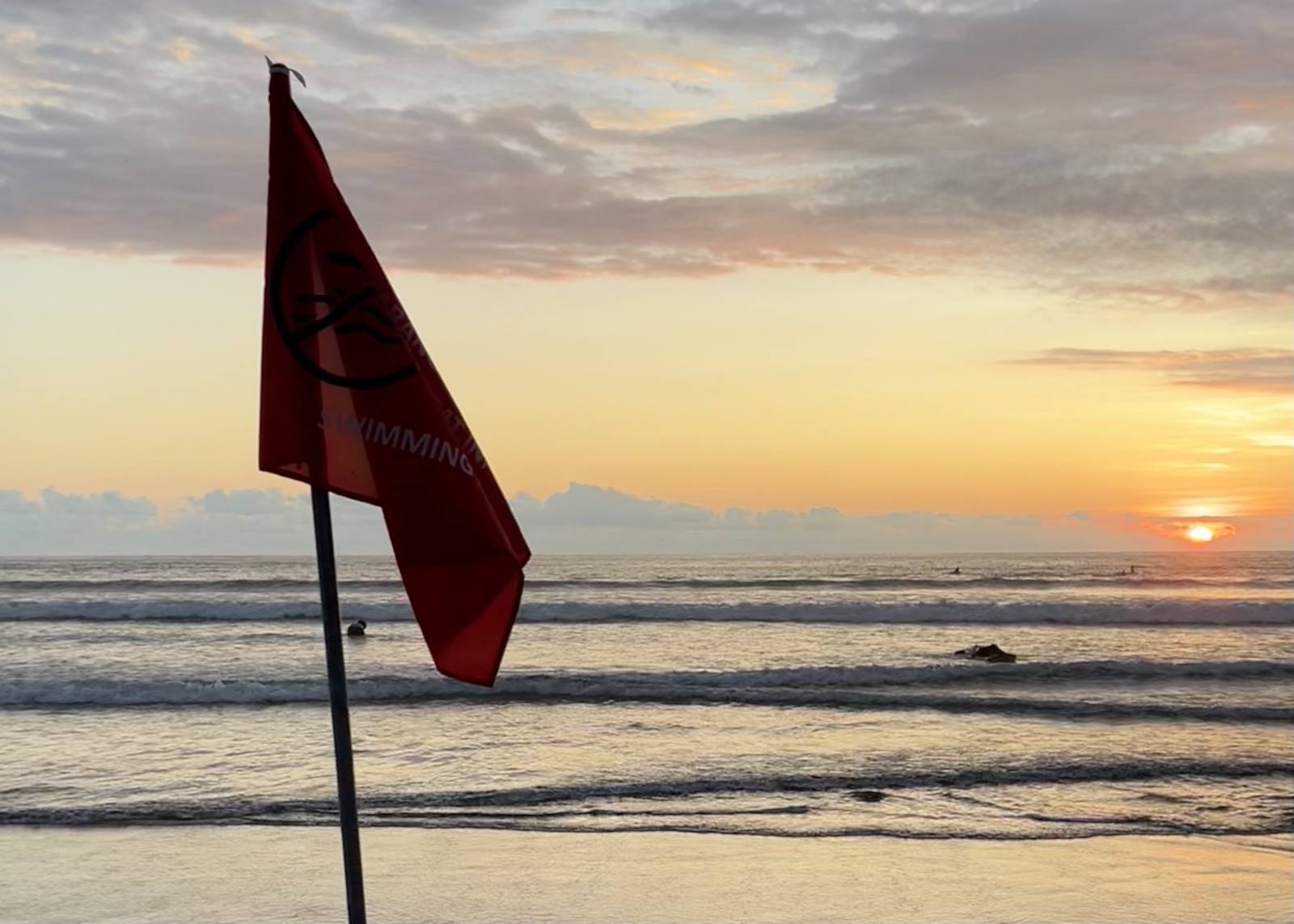
Imagine you flew to the island, checked into a luxury hotel on the first line somewhere in the Seminyak or Canggu area, the mood is great and you are going to sunbathe and swim in the ocean. You go ashore, and there… Dirty gray volcanic sand, human-sized waves, no beautiful comfortable sunbeds and a lot of red flags indicating the presence of a reverse current. You can climb into such water, but it is not safe: at best, you will swallow water and scratch yourself on the reefs, at worst, I won’t even write.
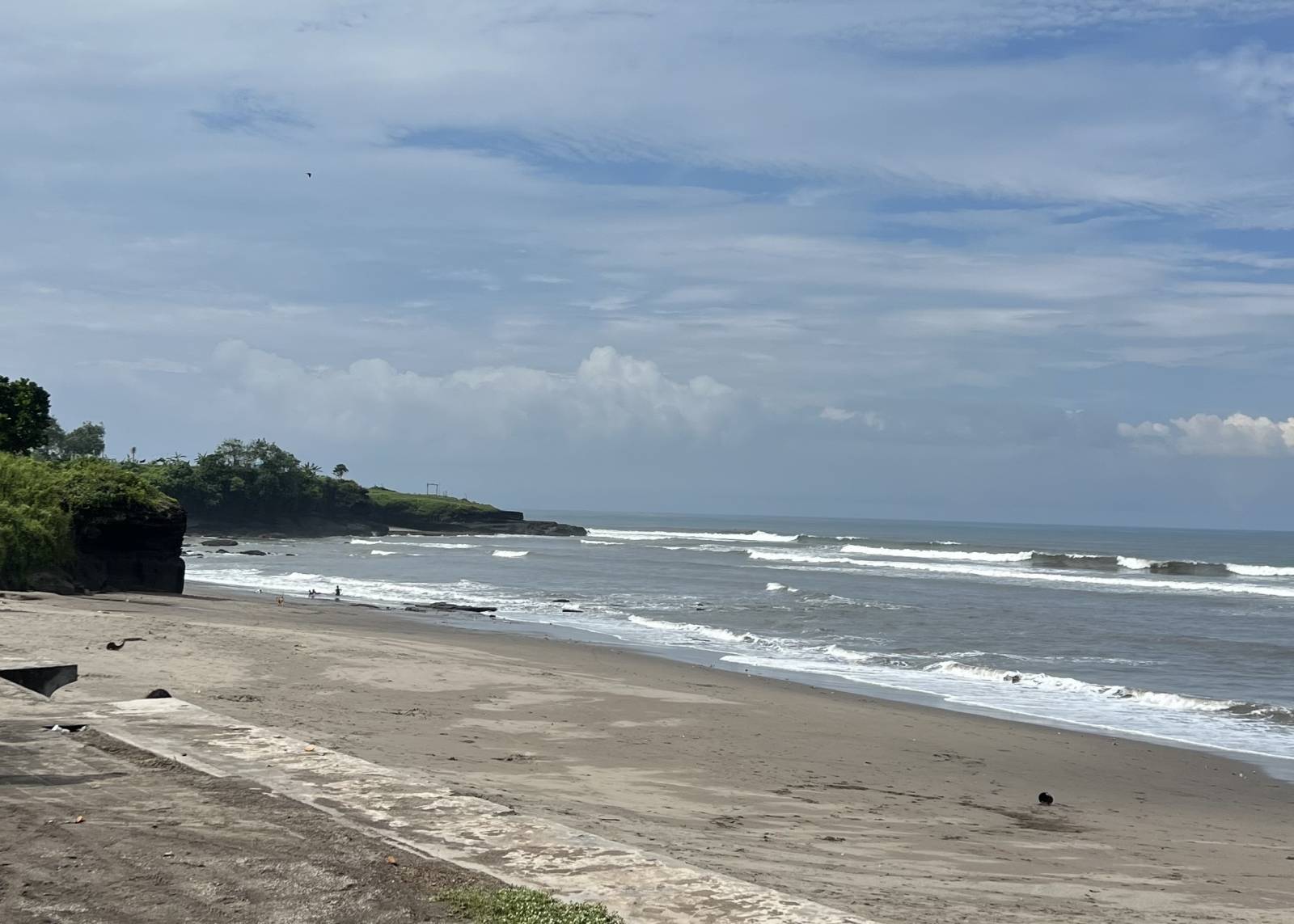
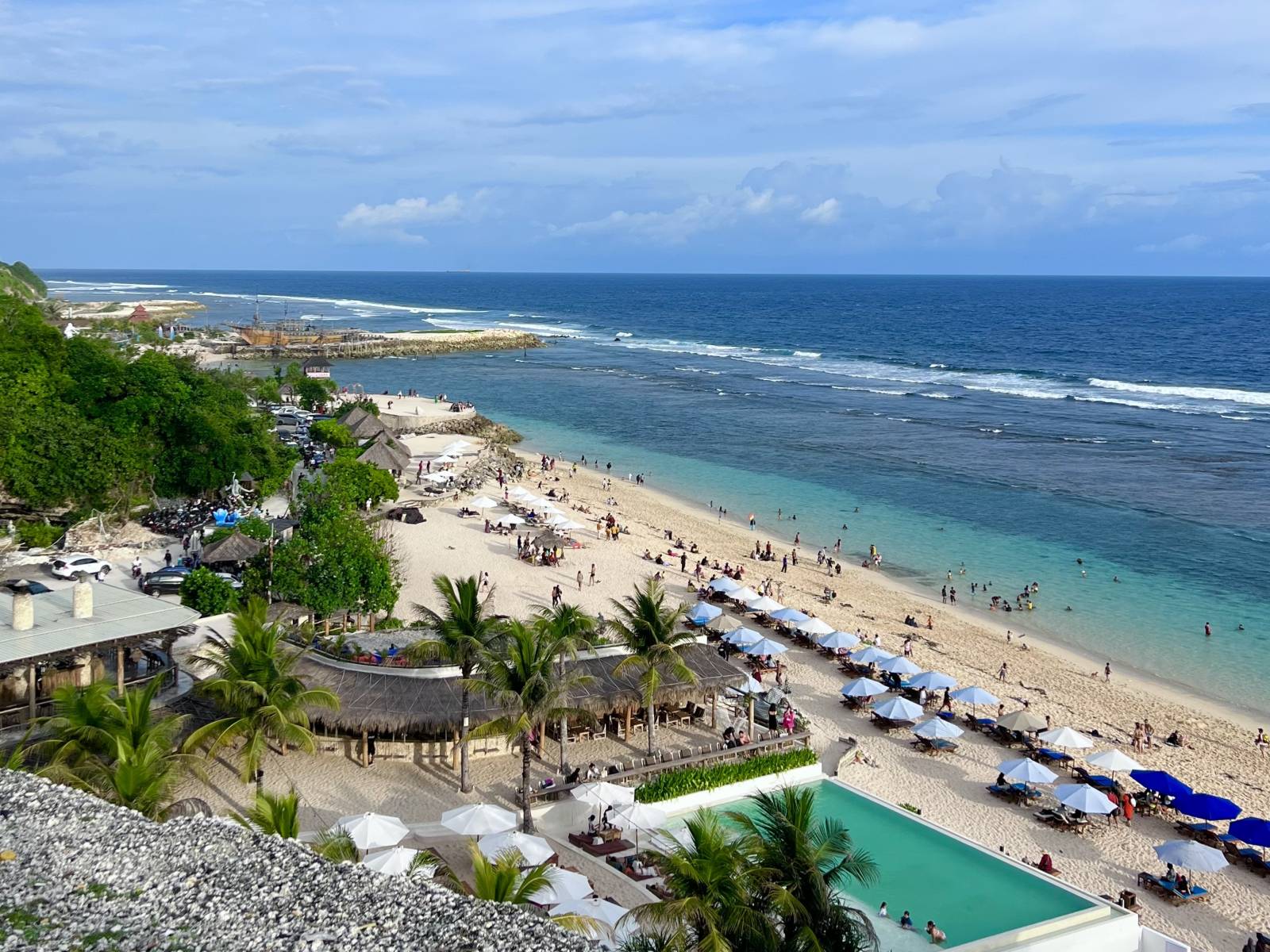
Does this mean that the entire Bali coast is like this? In fact, there are beautiful beaches here. But they are usually located far from hotels and it will be difficult to travel there daily. For example, in the Ungasan area there is a beautiful Melasti beach. There is white sand, blue water and a minimum level of waves. But it takes about 40 minutes to go there. And on the spot you will have to pay for the entrance, a sunbed, an umbrella and order food for a certain amount in a cafe. Is it worth it?
There are also several beautiful beaches in the Uluwatu area: Dreamland, Balangan, Padang-Padang and Nyang-Nyang. But swimming there is difficult and dangerous because of the reefs. They are considered more like surf spots, so if you are not an experienced surfer, then the fun is not enough.
But if neither waves, nor currents, nor dirty sand frighten you, then the next point will finally discourage you from relaxing on the beach. So
Reason 2: Garbage
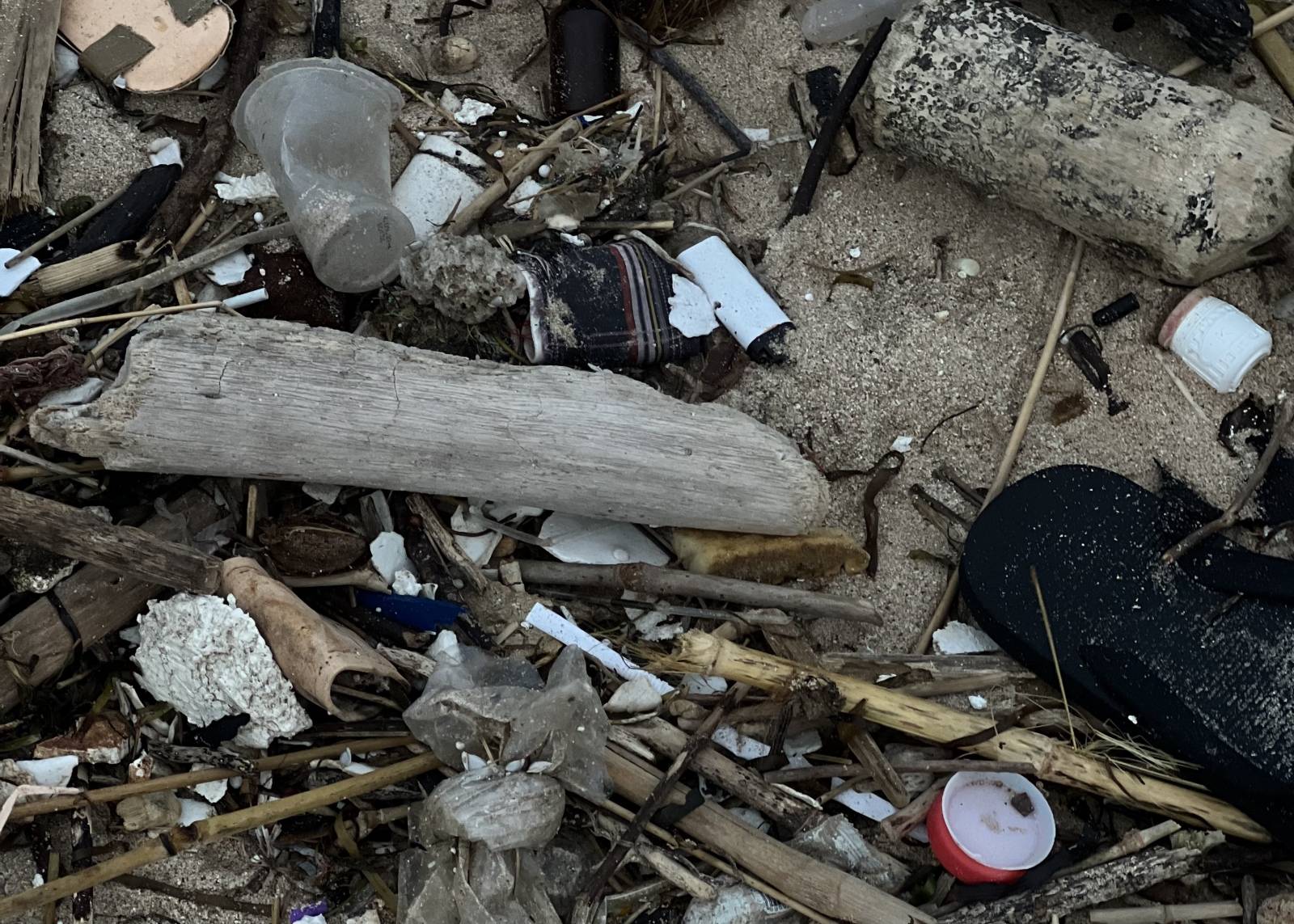
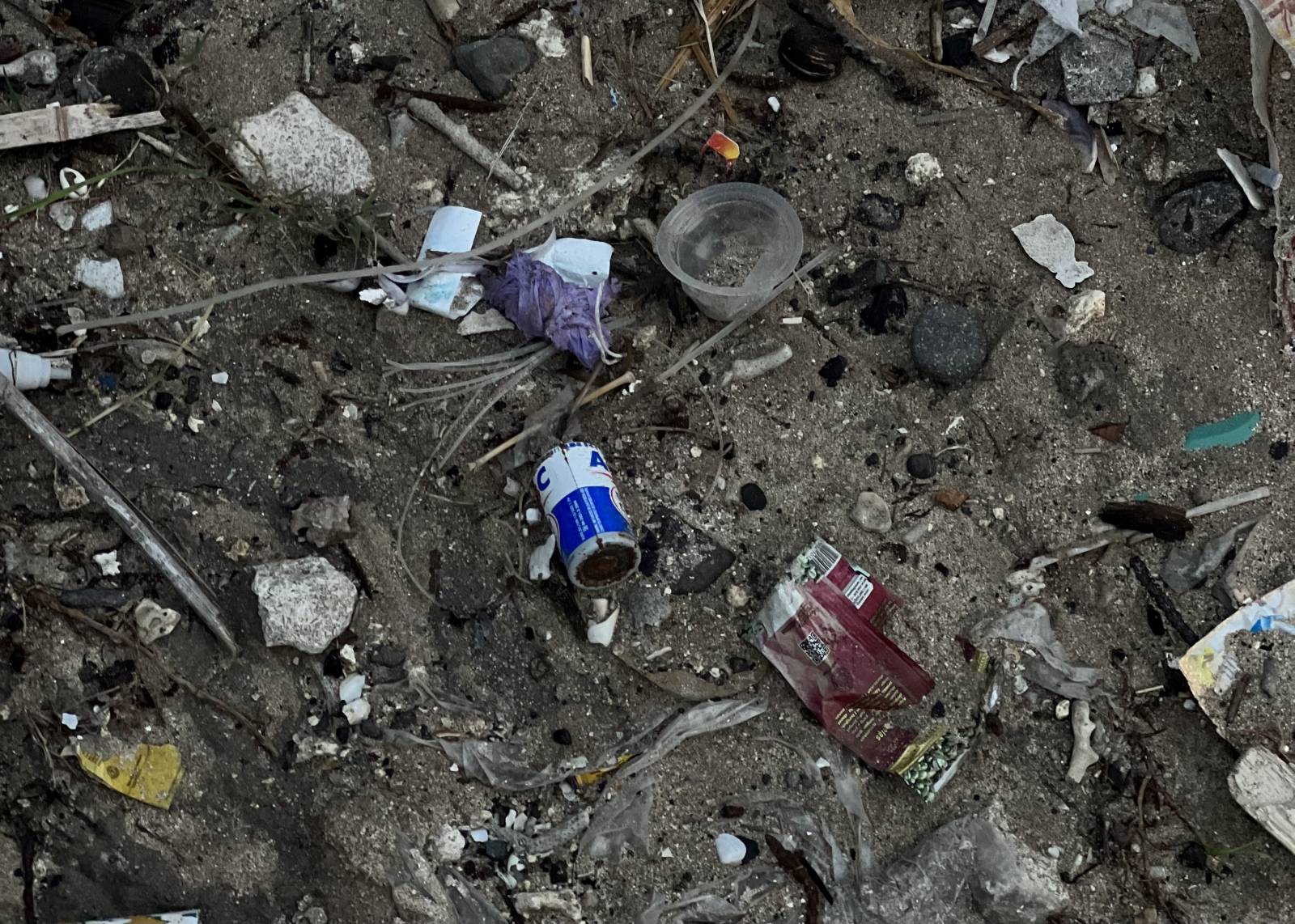
Unfortunately, in winter, the fairy-tale island turns into hell. Tons of rubbish are thrown daily on the shores of the southern coast, and even round-the-clock cleaning does not help. Why this is happening can be found in the article about garbage Bali. And if you think that you have seen littered beaches, and this will not stop you, then you are very mistaken. Plastic bottles, flip flops, leftover food waste and packaging, used gaskets float in the water, and I don’t know about you, but I wouldn’t go into such water at gunpoint. There are heaps of sticks, stones, old rag toys, batteries, bags and all that on the sand. The beaches are very, very dirty, even sitting on the beach and watching the sunset will be unpleasant.
Reason 3: Rainy season
Rainy season in Bali – great test of your luck. Perhaps in 2 weeks you will never see the sun. Or maybe you are lucky and it will only rain in the evening. In exceptional cases, you will find a couple of warm sunny days, but still this is not what you expect from a vacation in the tropics. I have been living in Bali for almost a year now and, you know, when you are working and not resting, the rain is not perceived as critical. But even I have the feeling that it is somehow very dull and cold and I want more light.
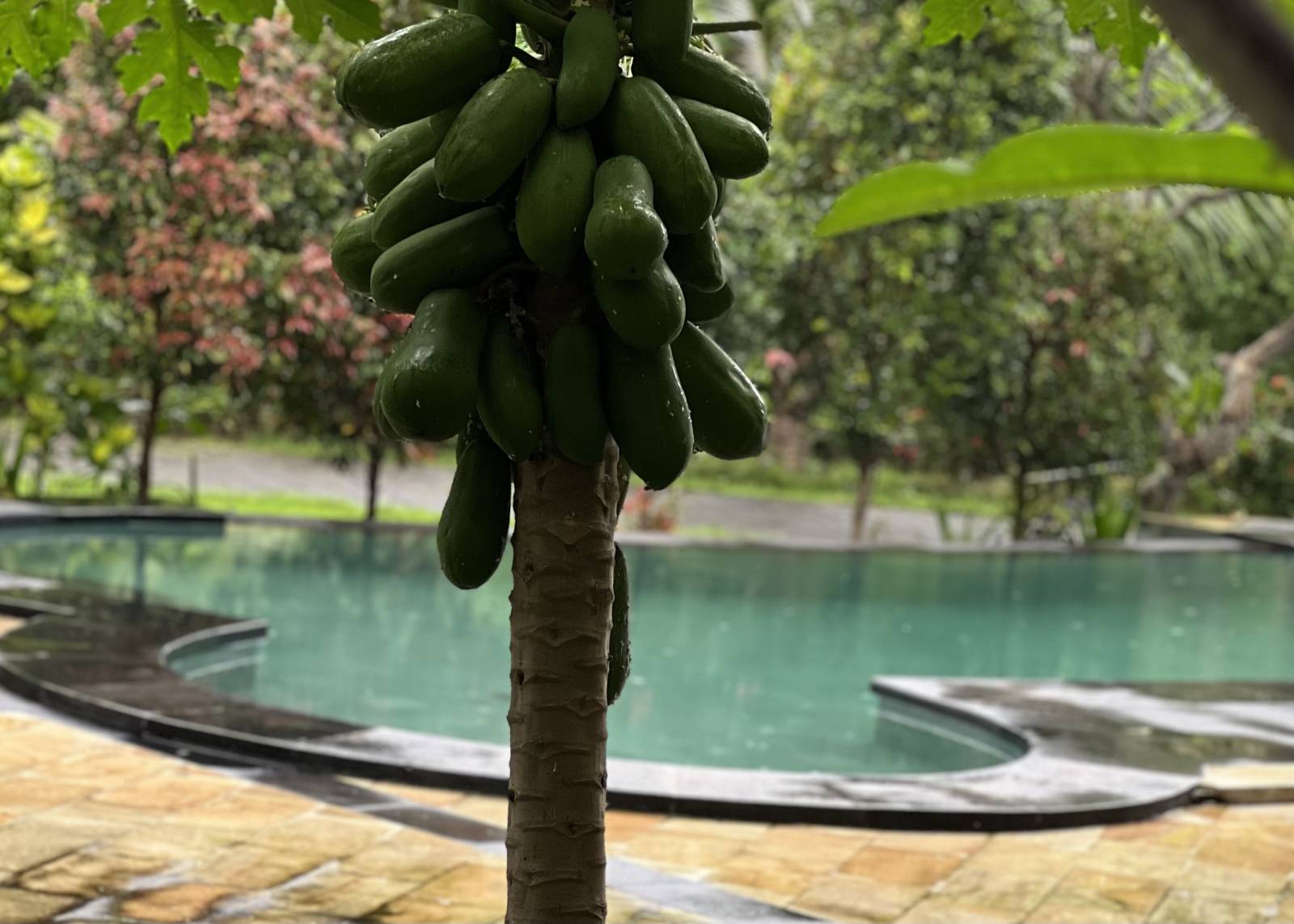
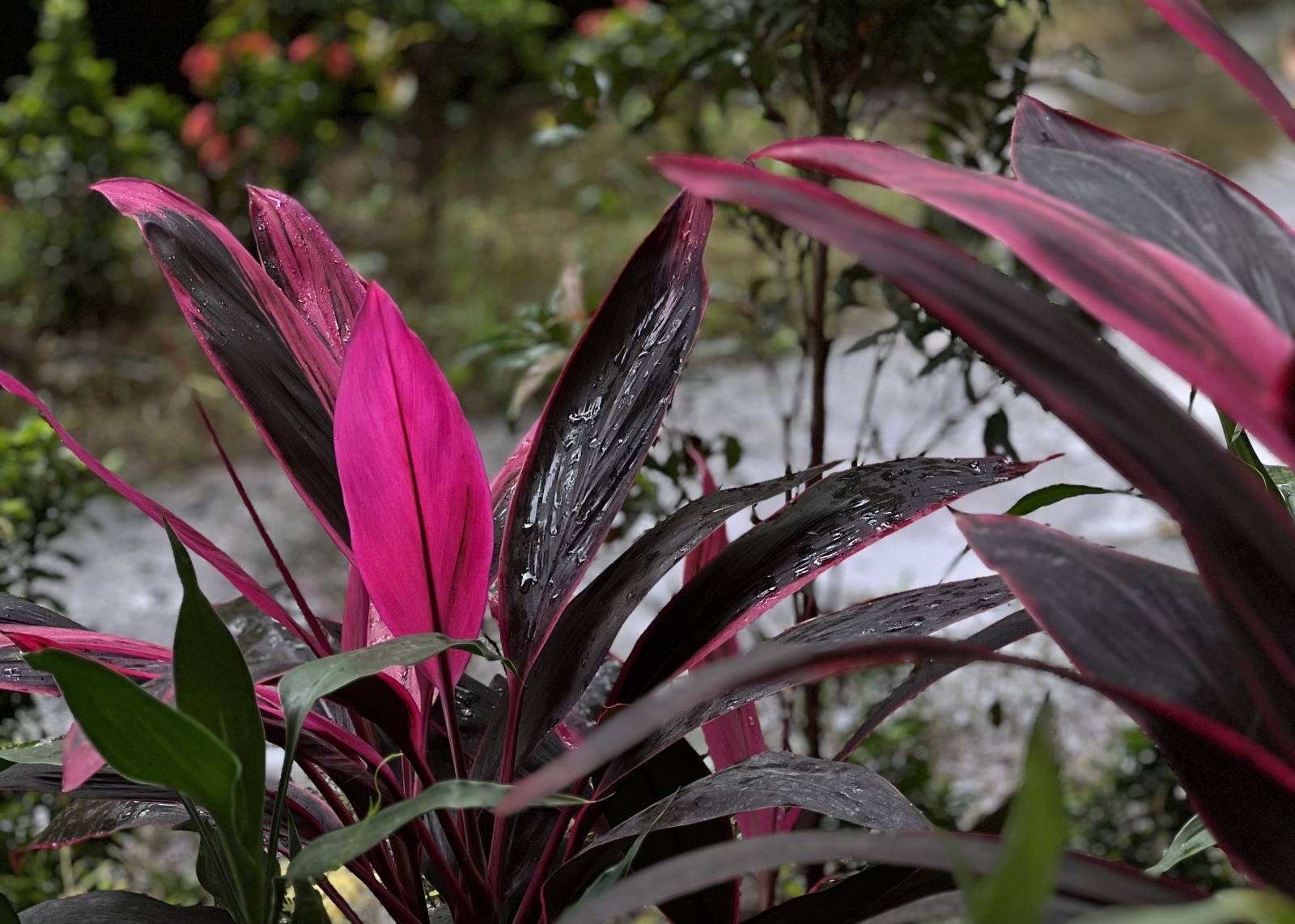
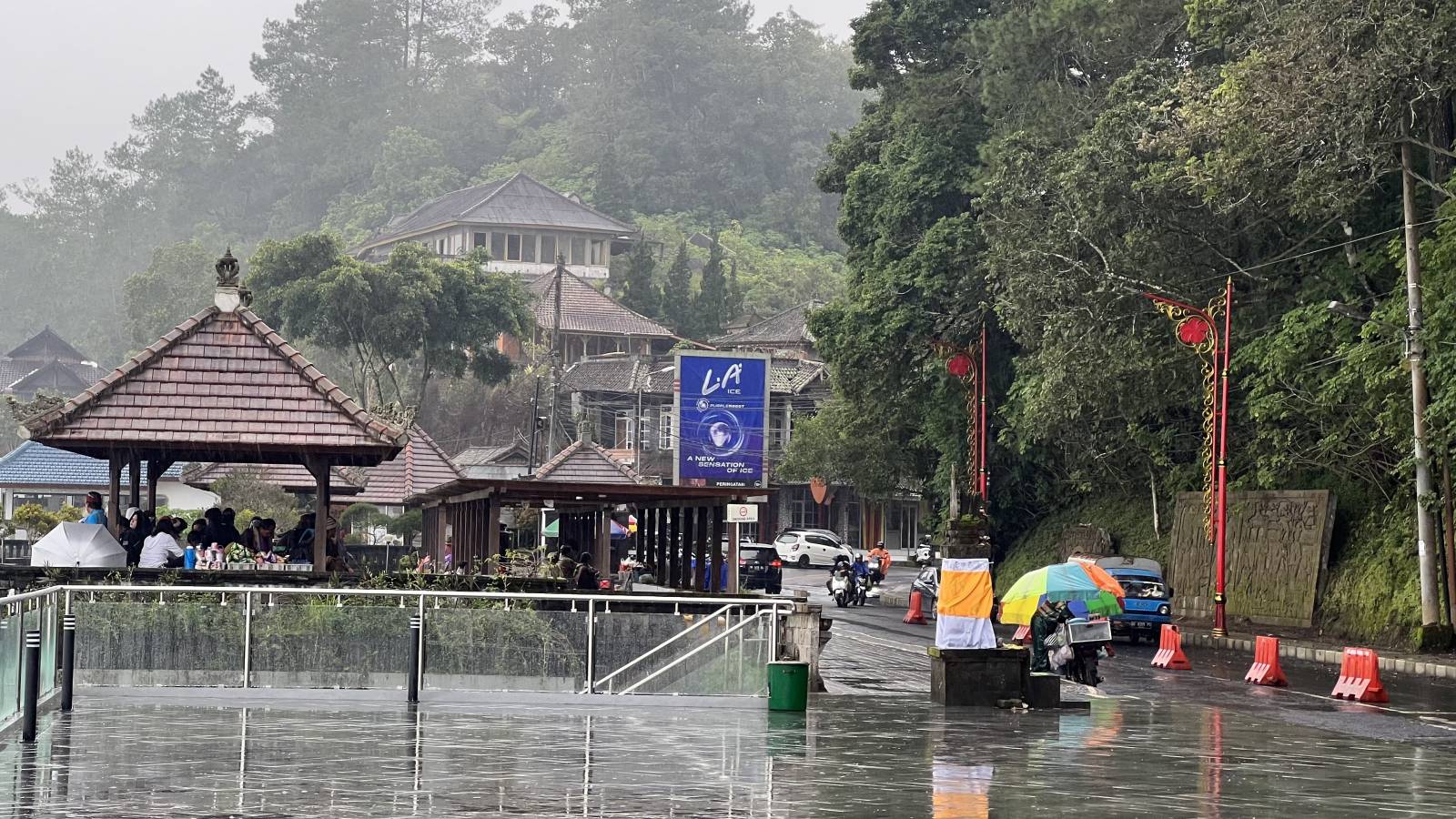
Sometimes, downpours are so intense that roads are knee-deep in water, wind breaks beach tents, and tree debris cuts power lines. Traffic stops, and the road to a cafe or another attraction can be a quest. Which brings us to the next reason.
Reason 4: Traffic
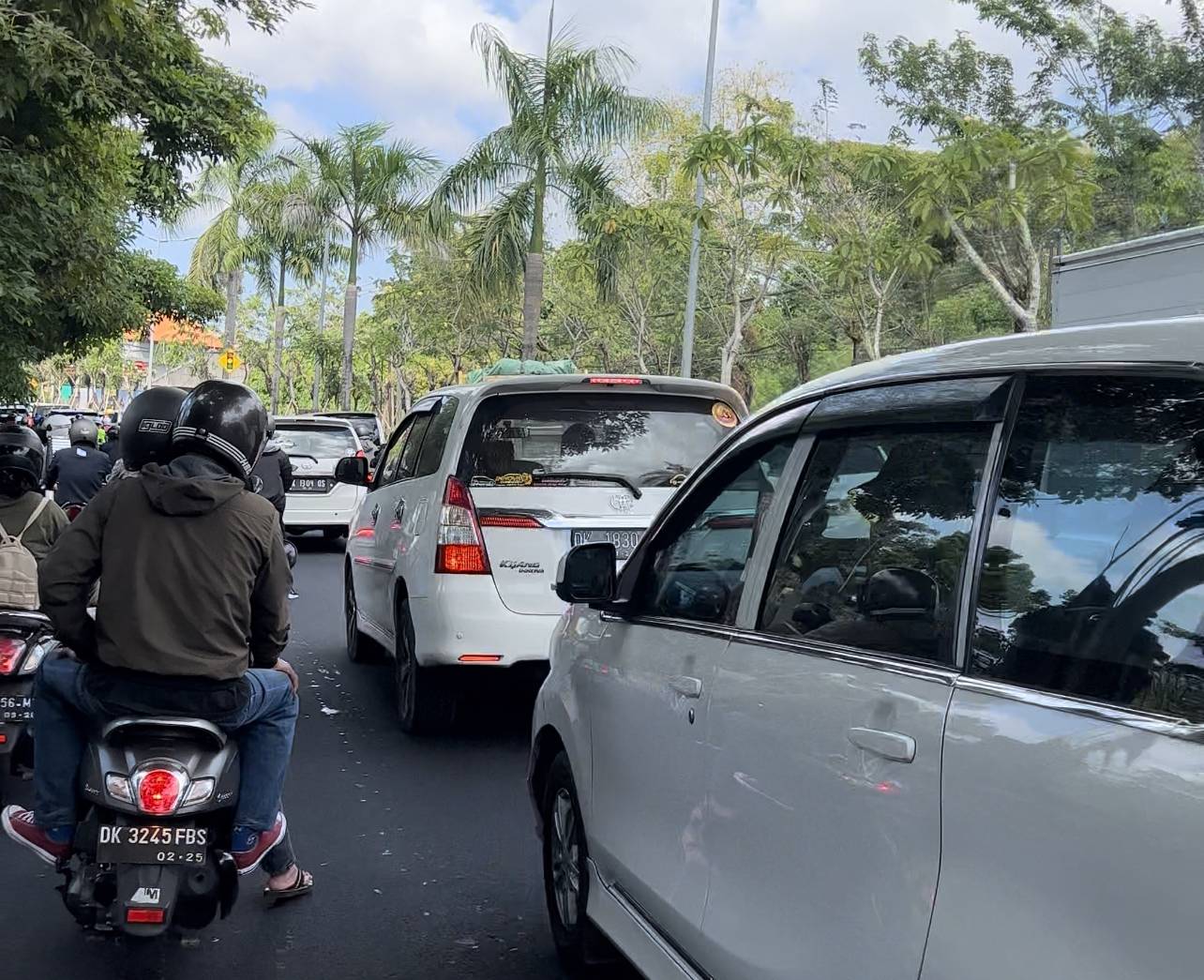
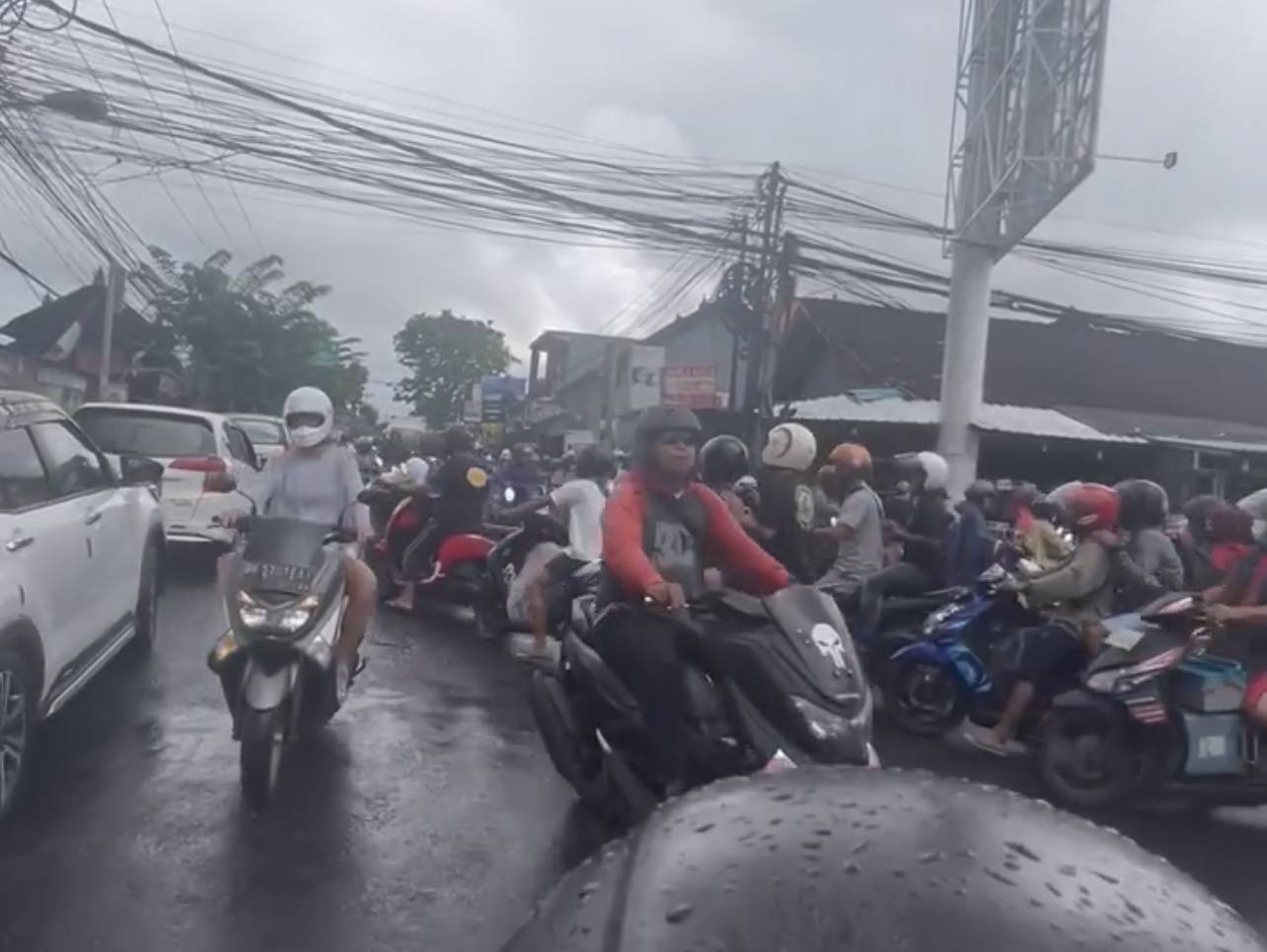
Despite everything I describe, for some reason a huge number of tourists fly to Bali in winter, especially on New Year's Eve. And almost everyone rents a bike or orders hotel deliveries from Grab or Gojeck, which turns the traffic on the already narrow paths into one continuous traffic jam. If you think that traffic jams are only in megacities, where on huge freeways eight lanes are filled with cars for kilometers, then not at all. In Bali, it looks like this: two lanes a little more than a meter wide are filled with cars, and tens and hundreds of bikers are trying to drive around them along sidewalks and gaps. And in the end, all this porridge-mala stands under the scorching sun or a downpour. Entertainment, to put it mildly, for an amateur. By the way, according to the sensations, traffic jams are formed mainly due to the fact that the locals are very careful about cars. therefore, they drive at a speed of 20 km / h on an empty road and thoughtfully go around every bump and pebble. This is very annoying not only for tourists, but also for local couriers. Their salary depends on the number of delivered orders, and that is why it is in the order of things to go around on narrow sidewalks and wag from one lane to another, as if you are catastrophically late for your own funeral. Even if you have already had experience of riding a bike in other Asian countries, you will be shocked in the first days in Bali.
And finally, the final reason, which, as for me, there is no justification:
Reason 5: Really high house prices
Of course, expensive housing – the norm for resorts, especially such remote and popular ones as Bali. But now, when you see the realities and understand what to expect, tell me, would you agree to spend $ 50-100 per day for ordinary housing in order to enjoy everything that I have listed? Of course, there are also budget options. There are guesthouses on Booking for $10, but their quality leaves much to be desired. For example, there can be a disgusting stink of mold. Or the air conditioner and water heater will not work. I have come across the fact that everything seems to work, but there are stains on the bed linen, and the towels look like they washed the floor yesterday.
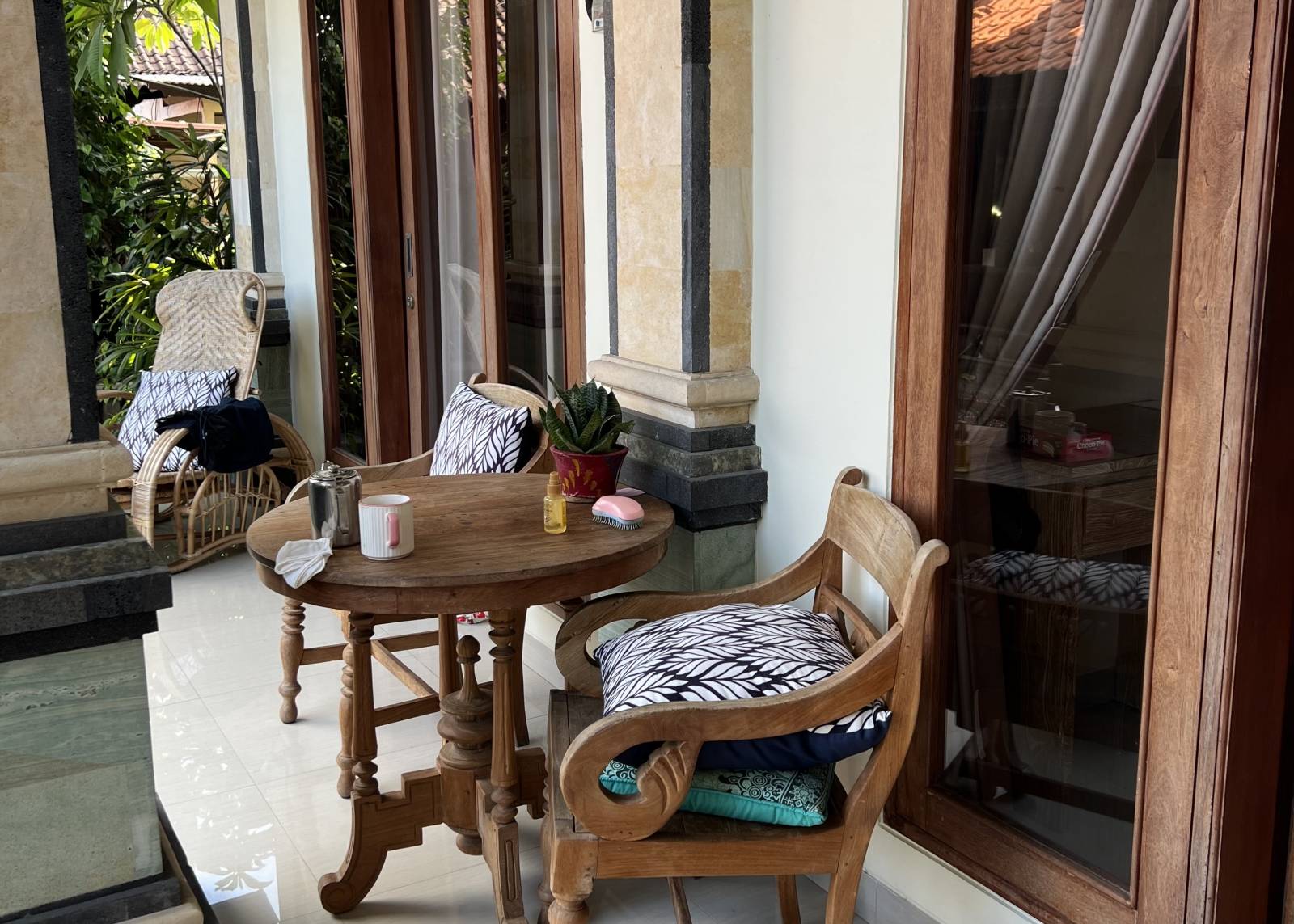
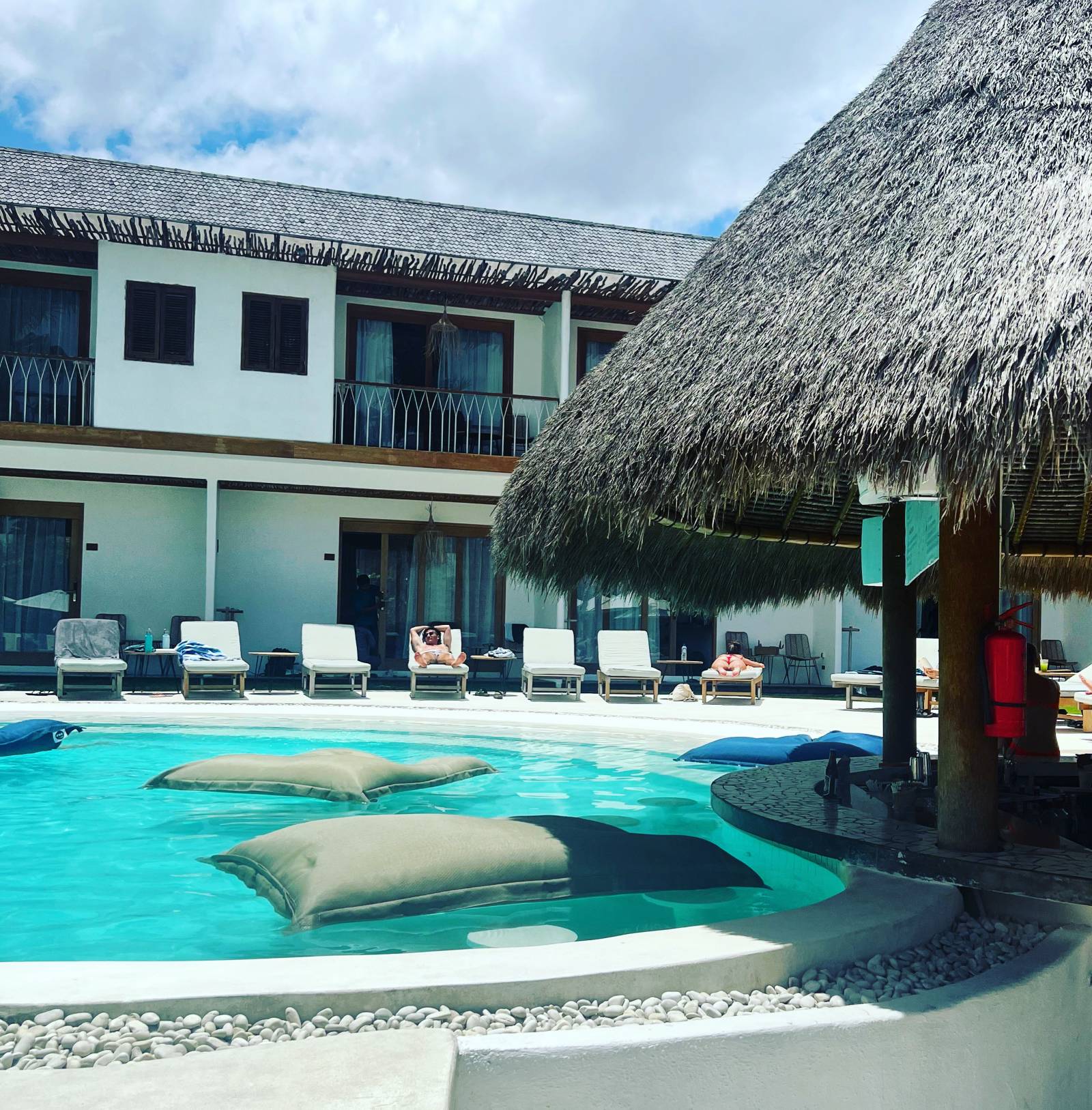
In general, if you want beautiful Balinese interiors with an open-air bathroom, a summer kitchen and beautiful views from the windows, get ready to shell out a tidy sum. Very frustrating, I understand.
What about summertime?
In summer, everything is much better. On the south coast, the current changes, the garbage disappears and great waves come, for which the best surfers in the world come to Bali. It is warm and sunny outside, slightly lower humidity and clean beaches. But swimming can be chilly. The ocean temperature is about 23-24 degrees, and on the street about 25-26. I didn’t swim in the summer, but went surfing in a wetsuit.
But visiting all the sights and walking around the island is very comfortable, because it is sunny and dry. For example, we were in Nusa Penida in February, and all 4 days of the trip it was raining and it was very windy. I wanted to sit in the hotel under the covers and drink hot tea.
What to do in Bali then?
First, think about what you expect from the rest. Perhaps you enjoy climbing mountains, visiting museums and attractions, swimming in waterfalls and enjoying the tropical exotic. Then, I am sure, rain, garbage and traffic jams in the southern part of the island will not disturb you in any way. You can rent a car and drive around the most fantastic route of Bali. I'm sure he will not leave you indifferent.
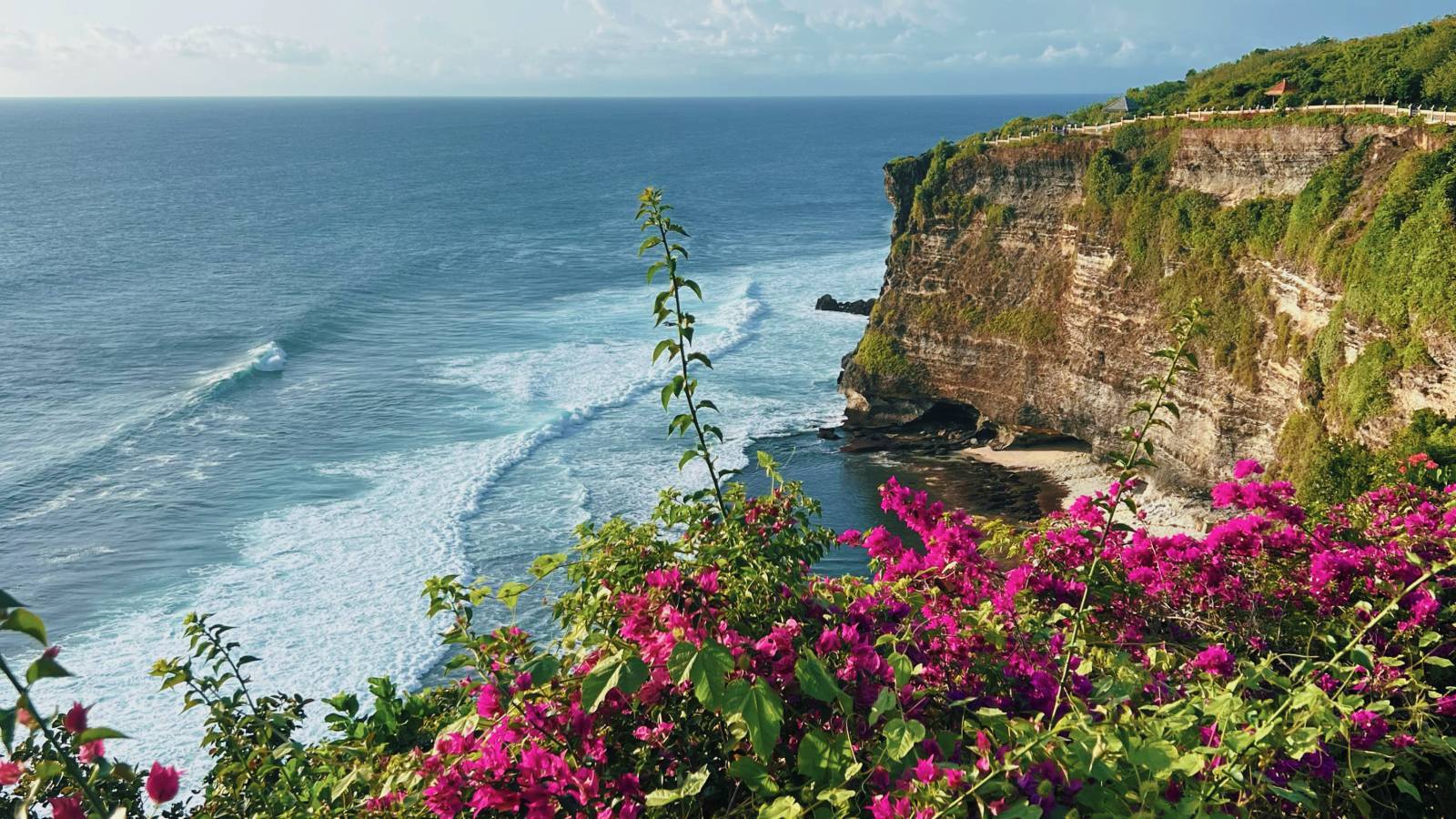
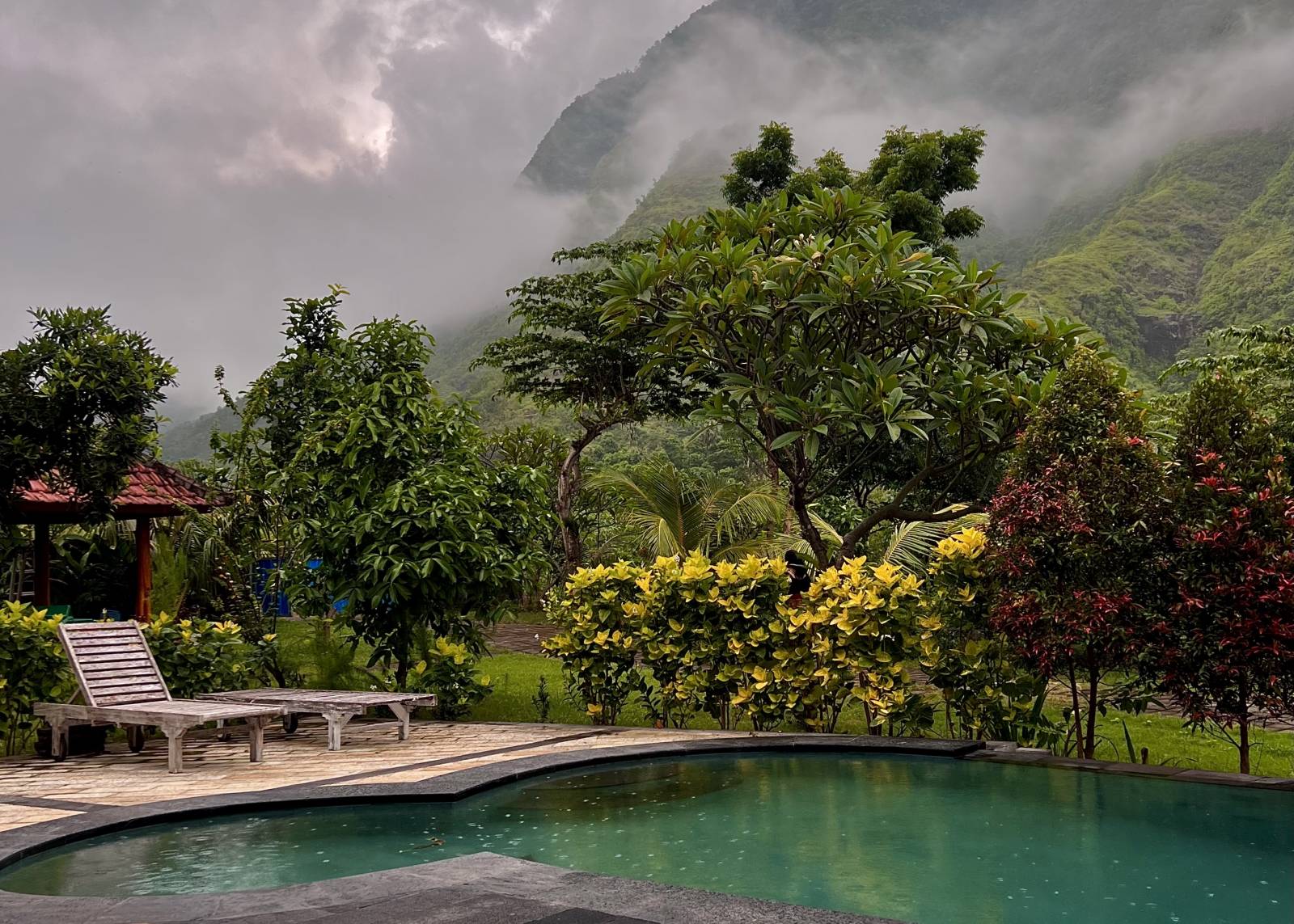
Secondly, take a closer look at the northeastern part of the island. These are the districts of Kubu, Abang, Manggis and Karangasem. We stopped for the rainy season at Amed. This area is not very popular with tourists, but there is incredible nature: there are green hills around, a beautiful view of the sea, and in clear weather you can see 3 Bali volcanoes at once. The beaches of Amed are garbage-free, and there are many beautiful coral reefs in the water.
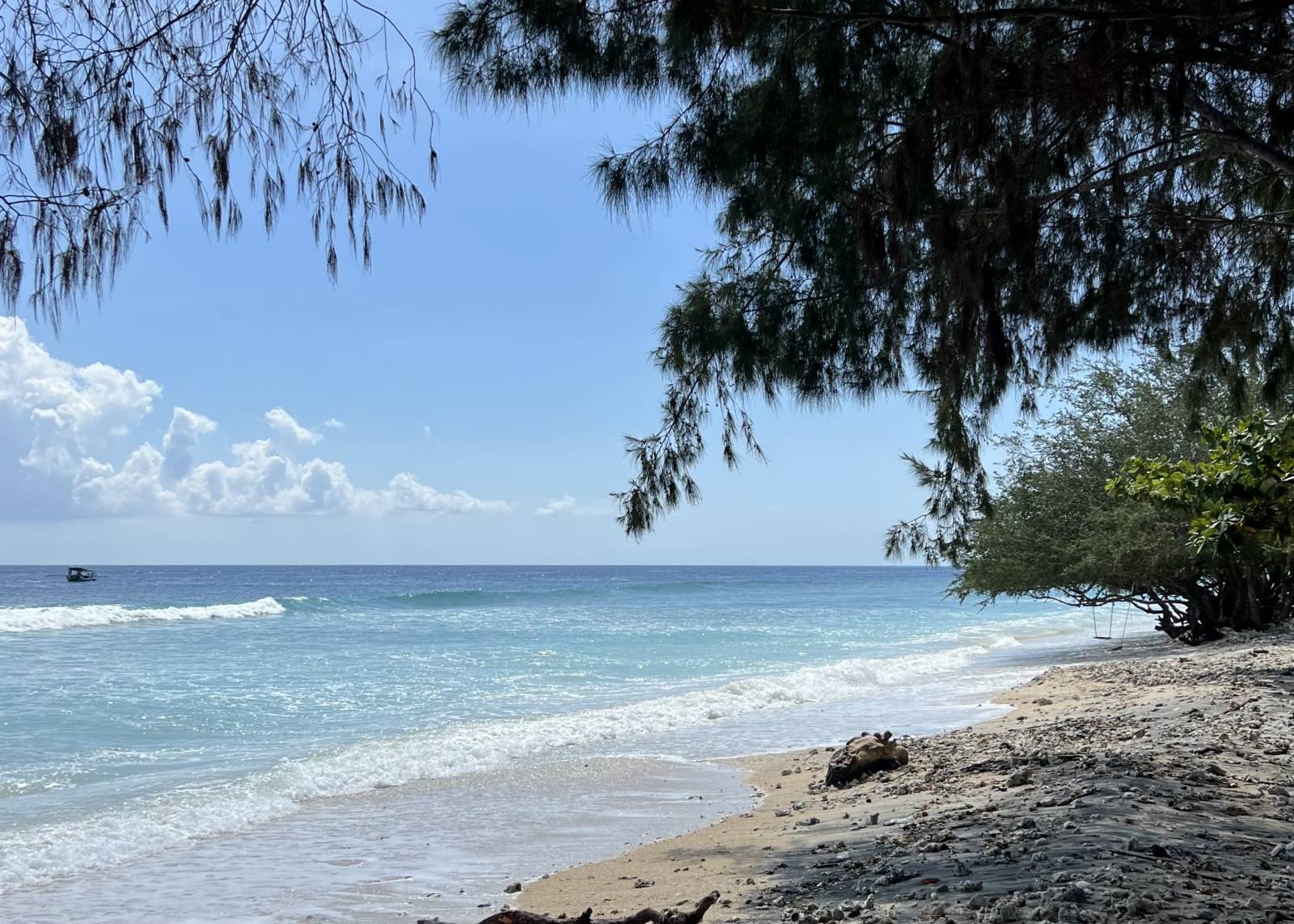
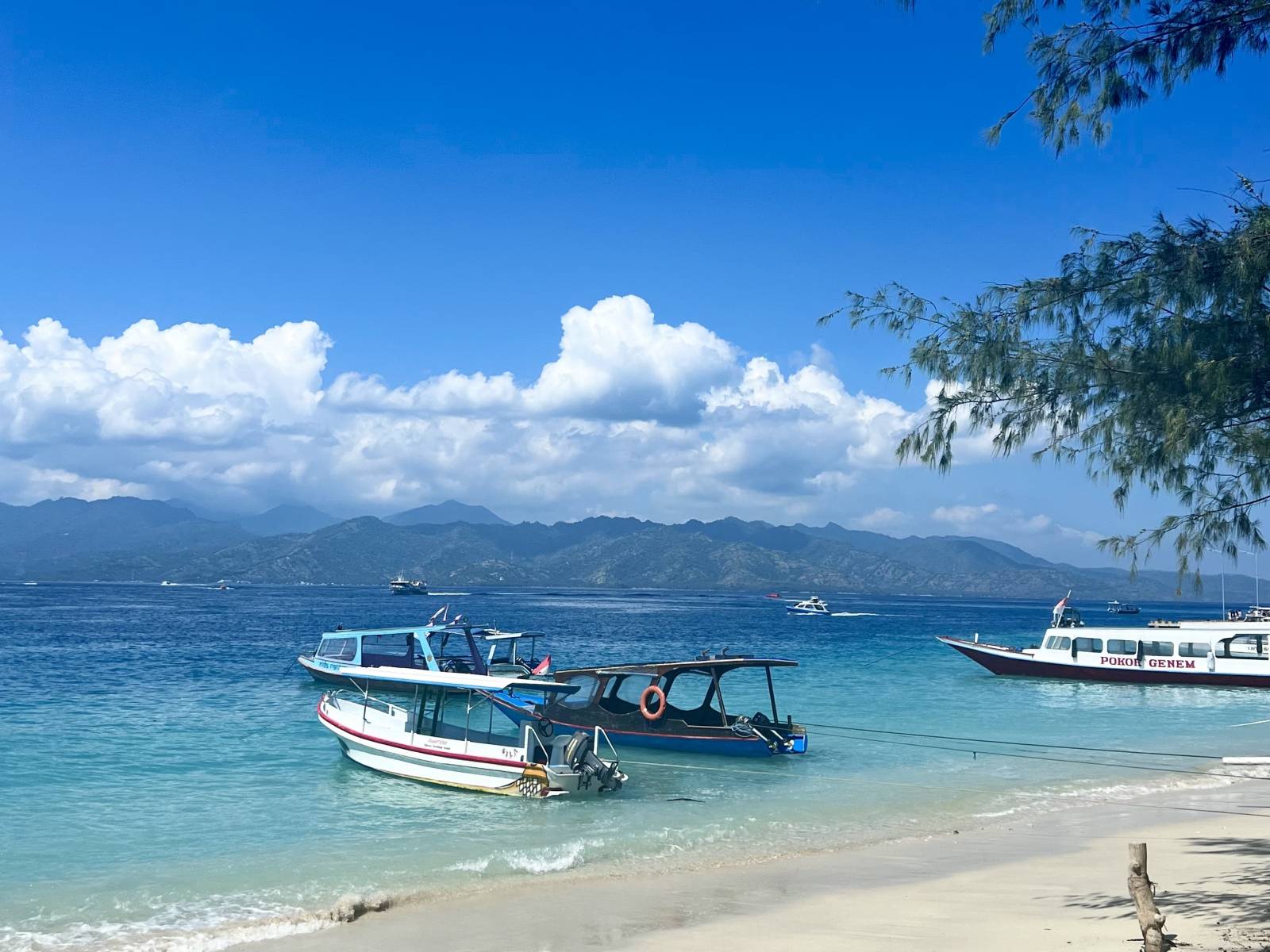
Well, if it is fundamentally important for you to just lie on the beach, then think carefully about whether a holiday in Bali is right for you. Perhaps you should go to the neighboring islands Gili, with Bounty landscapes and numerous spas and cafes on the shore. There are magnificent white sand beaches, a very relaxed atmosphere and no transport except bicycles and horse-drawn carts.
Read also
All articles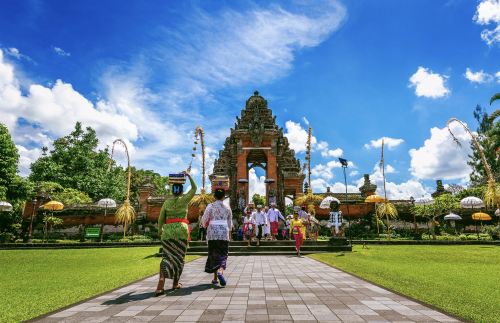
Galungan: the day when ancestral spirits descend from the volcano
Today in Bali began the celebration of Galungan - one of the most important and significant religious events of the island. It lasts 10 days…
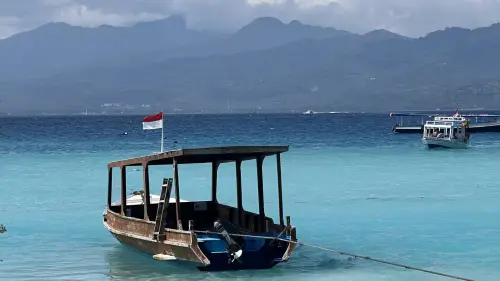
Gili - Indonesian Maldives
Numerous advertisements on the Internet and on tourist brochures talk about the paradise island of Bali. And according to the classics, you immediately imagine snow-white…
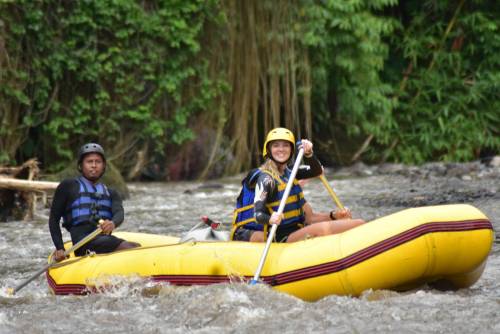
Rafting in Bali: rafting on the Telaga River with extreme waterfall descent
A story about how we rafted down the Telaga River. We also took photos with beautiful waterfalls and even went down one of them by…
Responsible consumption in Bali in 2026: save money and reduce waste
Responsible consumption in Bali is not about achieving a perfect zero-waste lifestyle. It is a practical way to spend less, buy second-hand, reuse and refill,…
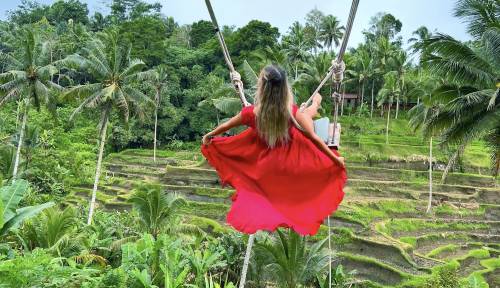
The most Instagrammable views of Bali: Tegallalang rice terraces, subak and swings with flying dresses
It is said that the first rice terraces were created over 1500 years ago. This culture is an integral part of the diet of any…

The Birds Park in Bali: the most dangerous, unusual and amazing inhabitants
Do you know which bird is the most dangerous in the world? What species is considered the most endangered? Why did the paradise birds end…




Comments
Share your thoughts or ask a question about this article.