How to promote an event in Bali: Event listings, social media and partners
A well-organised event can still attract few people if the potential audience hears about it too late or cannot understand from the announcement what will actually happen. Bali makes the task more complex because several audiences live side by side: local residents, expats, digital nomads, tourists, Russian-speaking, English-speaking and Indonesian communities. One Instagram post rarely reaches all of them.
A practical approach is simpler: first create one complete event card with all current details, then bring people to it from social media, local communities, venue pages, partners and bloggers.
On Bali by Anilau, there is a dedicated Event listing for this purpose. The event is published as an Event listing, receives a structured card and can appear among the site’s upcoming events. This format is intended specifically for concerts, festivals, parties, markets, talks, workshops, sports events, meetups and other events.
Create the main event card first
Before promotion, prepare a place where a person can quickly get all the important information and decide whether to attend.
A good card answers simple questions: what will happen, when, where, who it is for, how much participation costs and what someone needs to do to attend.
Do not make people collect information from several Instagram Stories, a WhatsApp conversation and an old poster. If the date changes, the main card should be the place containing the current information.
For an event, prepare:
- a clear name without unnecessary advertising language;
- a short description in one or two sentences;
- the exact date and time;
- the participation format — in person or online;
- the venue name and address;
- the organiser’s name or organisation;
- whether entry is free or paid;
- the ticket price, if known;
- a registration or ticket-purchase link;
- the organiser’s contact;
- a detailed programme description;
- a suitable cover or poster.
If the event lasts several days, state the full period and opening hours from the start. If there are different ticket types, explain the difference instead of limiting the information to a price “from”.
How the Event listing works on Bali by Anilau
When creating an announcement for a specific upcoming event, choose the Event listing type.
The published card can have separate fields for the date, participation format, venue, organiser, entry type, registration or tickets. On the site’s home page, upcoming events appear in a separate Upcoming events block, from which users can open the full event listing.
This is an important difference from an ordinary product or service listing. If you sell event-organising services, rent out equipment or work as a photographer, that is a service offer. If you announce a specific concert on 15 November, a weekend festival or a Saturday workshop, it is an Event listing.
Do not publish the event as an ordinary Offer just because admission is paid. A ticket price does not turn an event into an ordinary service: the date, time, venue and period of relevance are essential.
Publish the event in advance
New listings go through moderation, so do not create the card on the morning of the event. Even after publication, people need time to see the event, discuss it with friends and plan the trip.
For most small events, a useful rhythm looks like this:
- 3–4 weeks before — create the main event card and open registration;
- 10–14 days before — start active distribution through relevant communities and partners;
- 5–7 days before — publish a second announcement with a specific reason to attend;
- 1–2 days before — remind registered participants of the time, address and important details;
- on the event day — publish only short current reminders instead of explaining the entire programme again.
For a large festival, conference or concert, it makes sense to start ticket sales much earlier. For a small open meetup or training session, one or two weeks may be enough.
Do not turn the title into an advertising banner
The title should help people understand the event before they open the card.
Good:
Sunset Yoga & Sound Healing in Seminyak
Ubud Creative Market 2026
Beginner ceramics workshop in Ubud
Poor:
DON’T MISS IT!!! The best event of the year!!! Only a few places left!!!
The name, format and location are usually more useful than a collection of emotional promises. You do not have to squeeze the date into the title if it is already shown in a separate field.
In the short description, explain what the visitor will get. For example, “An evening of live music by the ocean with three local bands” says more than “an unforgettable atmosphere and a sea of emotions”.
What to write in the detailed description
The description should not repeat the poster line by line. Its job is to answer the questions that arise after the first interest.
State the programme, duration, event language, age restrictions, clothing or preparation requirements, entry terms, what is included in the ticket and whether it can be bought at the venue.
For a workshop, say whether materials are provided. For a party, say when the music actually starts and when entry closes. For an excursion, give the meeting point and duration. For a sports event, state the required fitness level and equipment. For a family event, specify children’s ages and conditions for accompanying adults.
If the programme is still being finalised, it is better to say that details will be announced later than to publish unconfirmed names and information.
Add a proper photo or poster
The cover is the first thing a user sees next to the title and date. It should help them understand the event format rather than merely fill an empty space.
An official poster suits a concert or festival. For a regular class, use a high-quality photo of the real space or a previous session. For a market, use an image that shows its scale and atmosphere.
Do not use other people’s images without permission or present a photo of another venue as the location of the current event. If a photo was taken at a previous event, that is fine as long as it genuinely represents the format.
Text on a poster should not be the only source of information: small dates and phone numbers are difficult to read on a mobile screen and are not indexed as normal card text.
Use several languages if the audience is international
This is especially useful for events in Bali. One event may interest local residents, foreign tourists, Russian-speaking and English-speaking expats, as well as digital nomads.
On Bali by Anilau, a listing is displayed only in the languages for which text has been added. After creating the card, you can prepare additional language versions.
Do not try to put four languages into one description. Make separate complete versions with matching dates, prices and terms.
When translating the card, check these separately:
- the venue name and address;
- date and time;
- currency and price;
- names of performers and presenters;
- the ticket link;
- registration rules.
The most unpleasant error is when different language versions of the same event promise different conditions.
Social media should lead to the card, not replace it
Instagram, Facebook, TikTok, Telegram and WhatsApp are good at spreading information, but a post quickly disappears from view. It is therefore more convenient to use them as acquisition channels and the Event card as a permanent source of details.
Instead of putting a huge text in every post, write a short message:
10 October — VELNORA in Seminyak. Electronic music, several stages and an all-day programme. Full programme, venue and tickets — at the link.
This also makes updates easier: if the time or venue changes, you do not have to search for dozens of old posts. Correct the main card and, if necessary, publish a short notice about the change.
Local groups and communities work better than mass spam
Bali has many local Facebook groups, Telegram and WhatsApp communities, expat, surfer, parent and digital-nomad chats, and groups for residents of particular areas.
But publishing the same announcement in every group is a poor strategy. A music festival in Seminyak, a business meetup in Denpasar and a children’s workshop in Ubud need different audiences.
Choose several communities where the event is genuinely relevant and adapt the presentation slightly. In a local group, location and time matter most. In a professional community, the programme and participants matter more. In a travel group, explain why the event is interesting for someone who will be on the island only briefly.
Always check the group rules. Some communities allow announcements only on specific days or require approval from administrators.
Use the venue and participants as distribution channels
If the event takes place in a restaurant, hotel, coworking space, club or art venue, that venue already has its own audience. Arrange for it to publish the announcement too.
The same applies to:
- artists and speakers;
- partners;
- sponsors;
- schools and communities;
- photographers;
- brands participating in the event.
This often brings a better-quality audience than random paid advertising because people already know the publication source.
Give partners a ready link to the Event card, several short-text options and images in the required formats. The less work a partner has to do, the more likely they are to publish the announcement.
If you need bloggers, use “Promo”
On Bali by Anilau, the Promo type is intended for finding promoters, bloggers and influencers.
You can use it separately from the event card. First create an Event listing for the event itself, then, if needed, create a Promo listing with the cooperation proposal.
In the promo listing, write clearly:
- which event is being promoted;
- what audience is needed;
- which city or region matters;
- what the blogger needs to do;
- what the organiser offers in return;
- whether a particular reach or content format is required;
- by what date the material should be published.
Do not limit the message to “looking for bloggers”. A concrete proposal is much easier to evaluate and accept.
A free event also needs a proper listing
Free events often create the mistaken feeling that it is enough to write “free entry”. In reality, a person still needs to decide whether it is worth spending time and travelling to the venue.
Even when no ticket is needed, state the programme, time, organiser, place and participation terms. If advance registration is needed because capacity is limited, say so separately.
Do not create artificial scarcity with “almost sold out” language when there is no actual limit. Accurate terms are better for trust than marketing pressure.
If the event repeats
For regular classes, parties or meetups, it is especially important not to leave old dates online without an explanation.
If the event takes place every week, the card should make the current schedule clear. If a specific date is cancelled or moved, update the information as quickly as possible.
Do not create dozens of almost identical listings for extra reach. This makes current information harder to find and looks like spam. A separate card is justified when the date, programme or venue changes, or when an event is a standalone edition of a series.
How to distribute promotion over time
One post rarely sells an event. People may see an announcement, forget about it and return after the second or third contact.
The first wave explains what the event is. The second gives a new reason to be interested: it shows an artist, programme, venue, speaker or result from a previous event. The last reminds people of the date and explains what to do right now.
Do not publish the same image every day. Distribute the materials instead:
- the main announcement;
- the programme;
- an introduction to a speaker or artist;
- a video or photo of the venue;
- answers to frequently asked questions;
- ticket information;
- the final reminder.
This makes promotion look like useful information rather than repetitive advertising.
What to measure
Announcement views alone say little about an event’s success.
The main metric depends on the goal. It can be:
- tickets sold;
- registrations;
- confirmed participants;
- enquiries;
- actual attendance.
It is also useful to track clicks to the ticket page, WhatsApp enquiries, saved posts and registration sources.
If you use different channels, add UTM tags to links or at least ask in the registration form how the person heard about the event. After the event, this will show which communities and partners actually brought participants and which produced only views.
What to do when something changes or the event is cancelled
Plans in Bali can change because of weather, sea conditions, venue problems, transport or the organisers. This is particularly true of outdoor events.
If the time, address or date changes, update the main card and separately notify people who have already registered. Do not rely on them accidentally seeing a new Story.
If a paid event is cancelled, clearly explain the refund or ticket-transfer procedure. The organiser’s contact should remain available after the announcement is published.
Checklist before publishing an Event listing
Before submitting the card, check that:
- the Event listing type is selected;
- the current date or period is specified;
- the start time is clear;
- the correct location is selected;
- the actual venue is named;
- it is clear who the organiser is;
- it is marked whether entry is free or paid;
- the ticket price is unambiguous;
- there is a working registration link or contact;
- the description explains the programme and terms;
- the image relates specifically to this event;
- language versions do not contradict each other;
- you have a plan for updating the card if the event is moved or cancelled.
After publishing, open the card on a phone and look at it through the eyes of someone hearing about the event for the first time. If it is clear without additional questions what will happen, where, when, how much it costs and how to get in, the foundation of the promotion is already sound.
The Event listing as the promotion centre
There is no need to choose between an Event listing, Instagram, local chats and partners. These channels solve different tasks.
An Event listing on Bali by Anilau stores structured and current information about the event. Social media creates quick reach. Local communities help reach the right audience. Partners add trust. The Promo type allows you to look separately for bloggers and other promotion channels.
Instead of ten disconnected announcements, you get one clear system: a person sees a message where they already spend time, follows it to the complete event card and finds everything needed to decide.
Useful links
- Add a listing on Bali by Anilau
- Upcoming events and Event listings
- Nightlife, events and tickets category
- Bali by Anilau catalogue
Updated: 26 September 2026.
Comments
Read also
All articles
The Bali Effect: Decoding the Island's Unmatched Allure
In the realm of global tourism and expat destinations, Bali stands as a remarkable outlier, offering an enchanting blend of characteristics that set it apart…
How to find the right item or service in Bali: why to post a “Demand” listing
When someone needs something, the usual first reaction is obvious: open a listings catalog, ask in a familiar chat, search Facebook, or type a request…
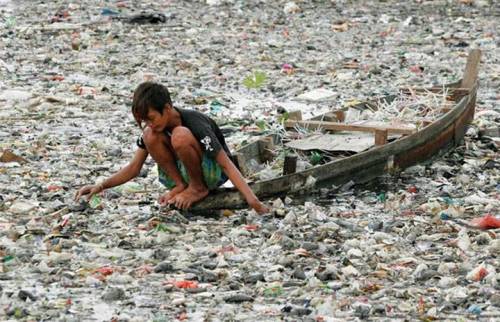
#GarbageBali. Behind the scenes of heavenly life
It was an ecological disaster... I started to study the issue. Where is the garbage from? Why is there so much of it? And it…

Bali vs Thailand
Bali and Thailand offer very different kinds of travel and long-term living. Compare beaches, culture, weather, food, housing, transport, remote work, healthcare and visas to…

Bali vs Vietnam
Bali and Vietnam offer very different experiences for holidays and longer stays. Compare beaches, nature, weather, culture, food, costs, transport, remote work, healthcare and visas…

How to earn from tourism services in Bali: partners, commissions and first customers
Turn local knowledge of Bali into useful tourism referrals: surf lessons, villas, transfers, partner agreements, listings and a practical way to handle your first inquiries.