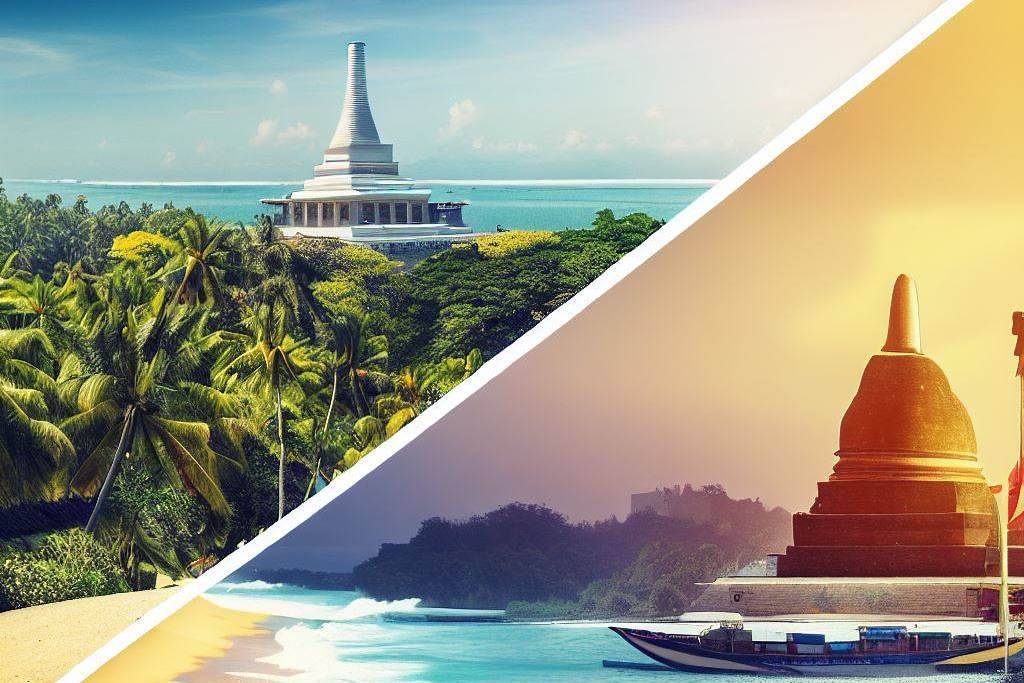
Sri Lanka and Bali are often compared because both attract travellers with warm weather, beaches and distinctive cultures. They are not interchangeable resorts. Bali is an island province of Indonesia with a dense tourism network, while Sri Lanka is a separate island country where beaches, ancient cities, tea country and national parks are usually connected by longer journeys.
This guide is updated for travel in 2026. Prices, entry rules, schedules and weather can change, so check official sources and the requirements for your passport before booking.
The short answer
- Choose Bali for an established network of cafés and services, surfing, villas, coworking, yoga, nightlife and the option to change areas without rebuilding your whole itinerary.
- Choose Sri Lanka for a road trip across different landscapes, safaris, mountain trains, ancient sites, tea regions and smaller towns with a slower rhythm.
- Consider both if you have a longer trip and can plan around the seasons: Bali and Sri Lanka have different coastlines and different periods of better beach weather.
Beaches and the sea
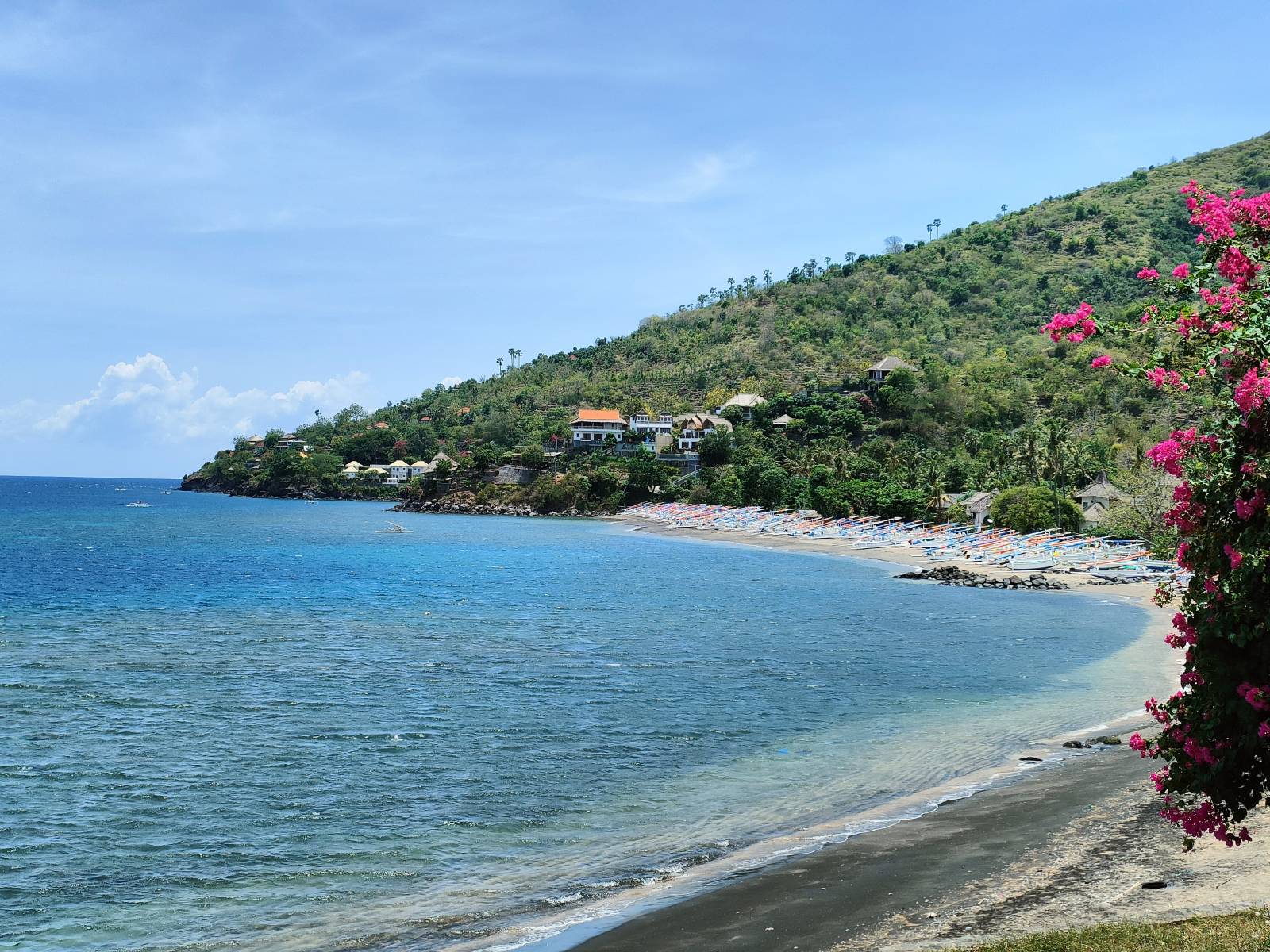
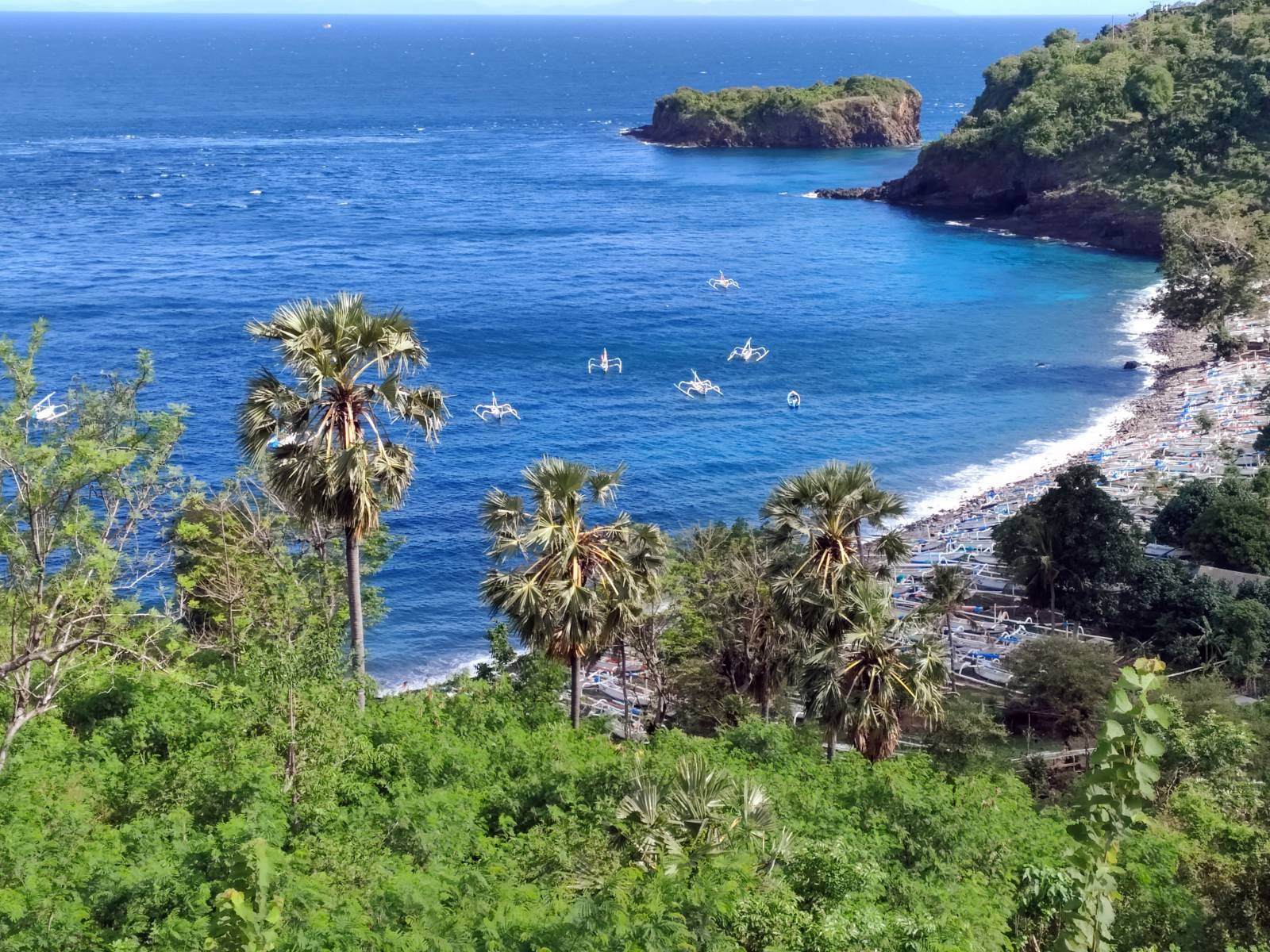
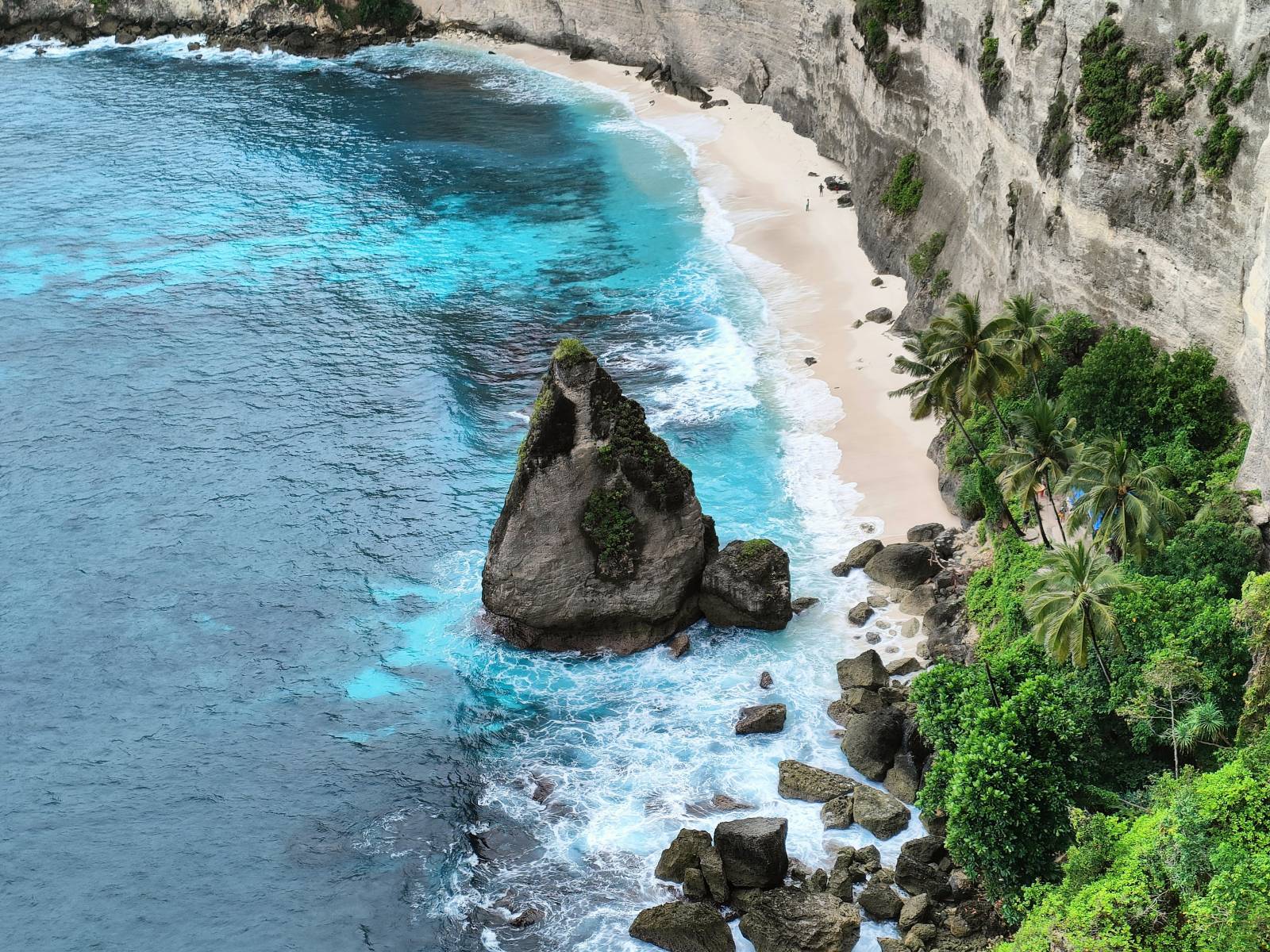
Bali is convenient because several beach formats are relatively close together. Kuta and Canggu are associated with surfing and a busy social scene, Sanur is often chosen for calmer water and walks, and Nusa Dua offers an organised resort environment. That does not mean every beach is equally suitable for swimming. On the south coast, surf, tides, reefs and seasonal marine debris matter, and some stretches are better for walking than entering the water.
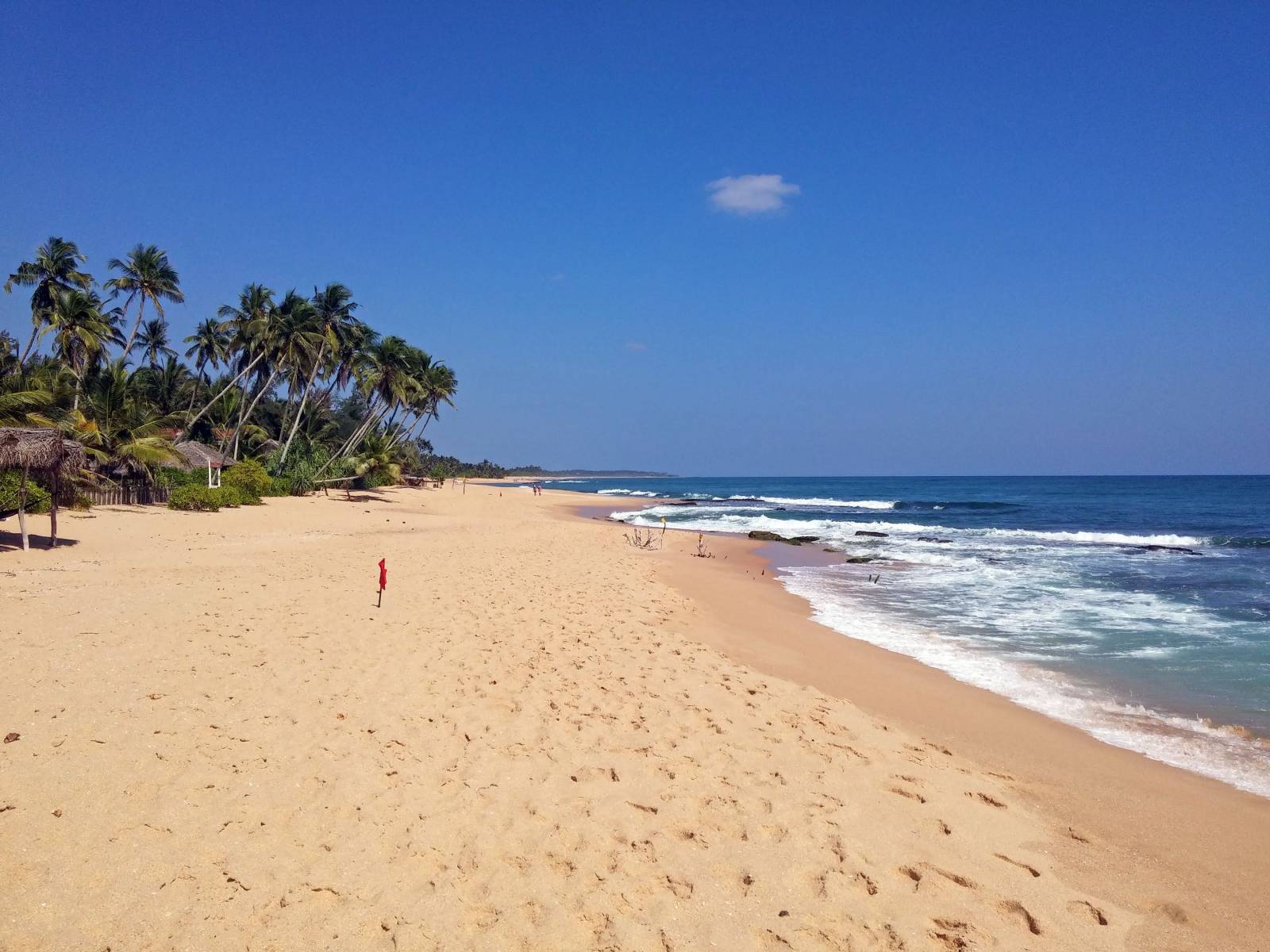
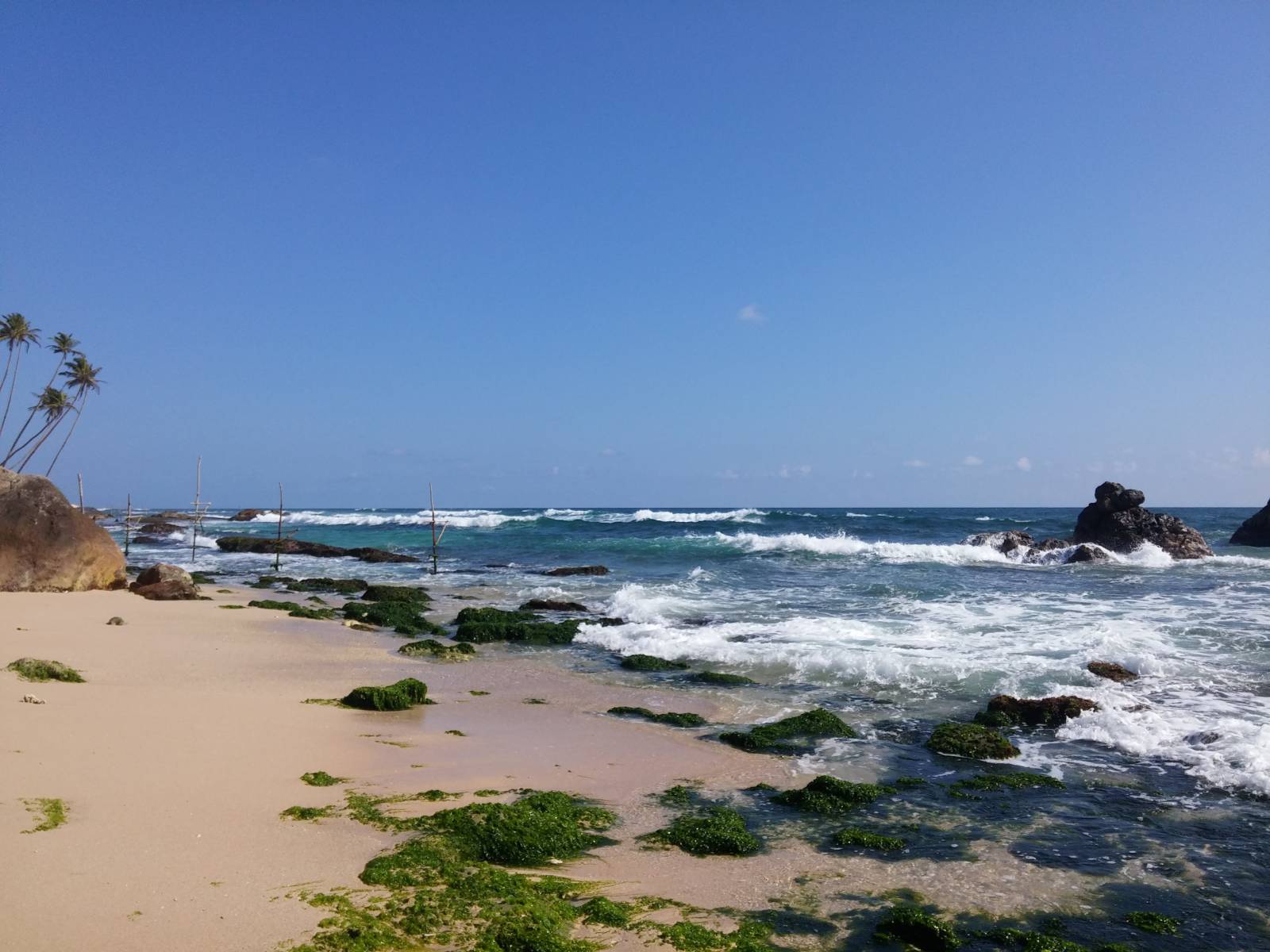
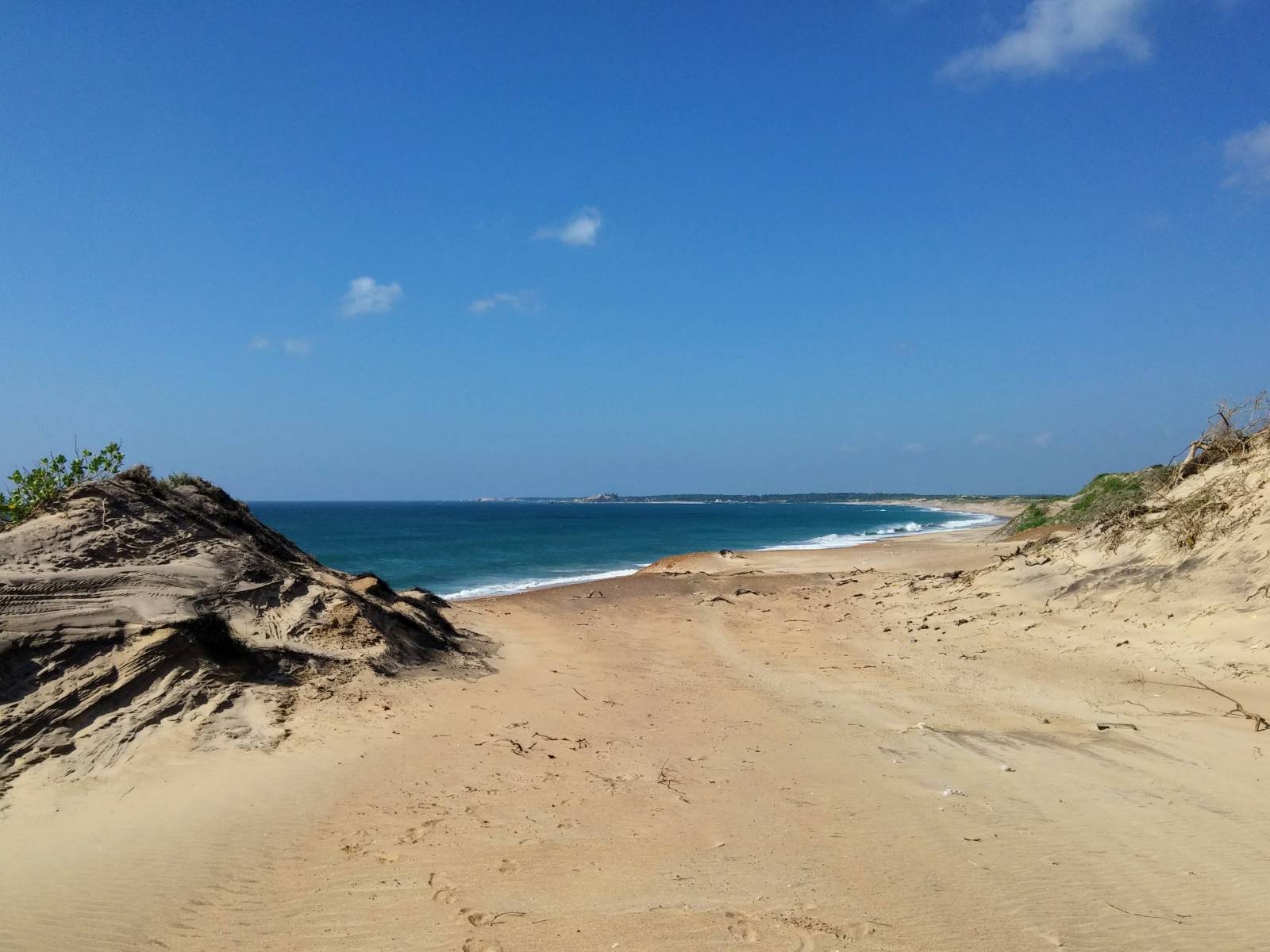
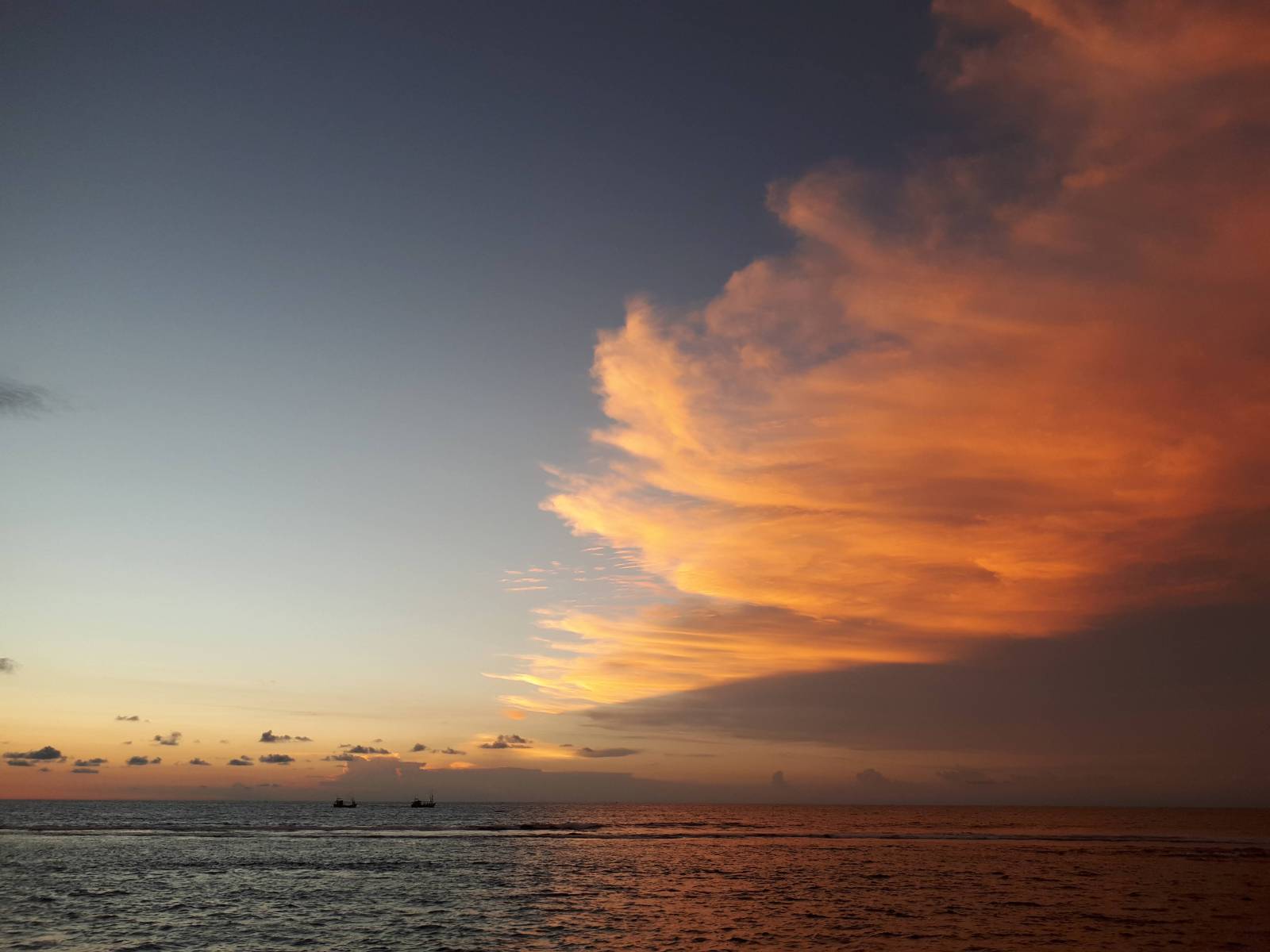
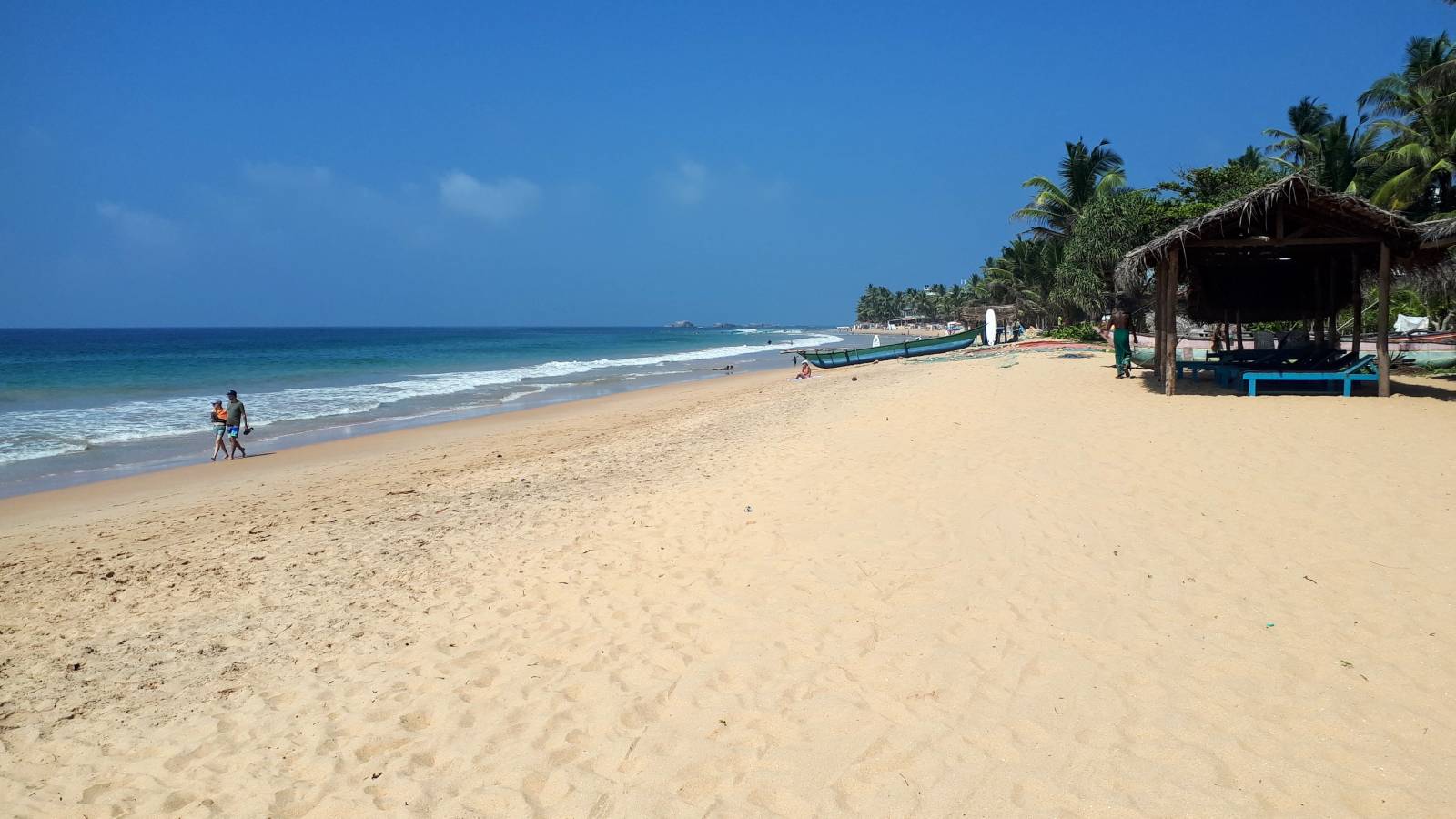
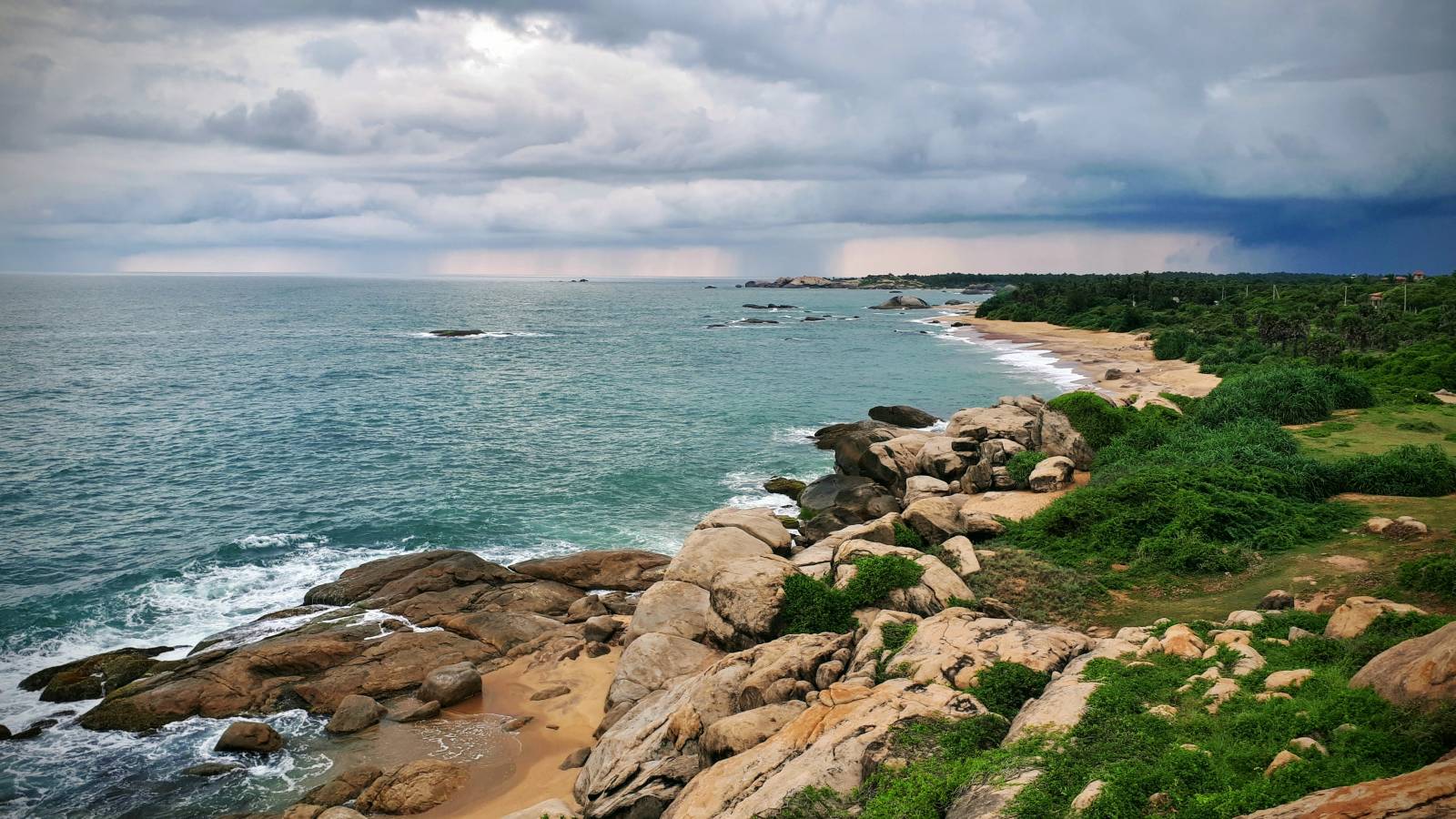
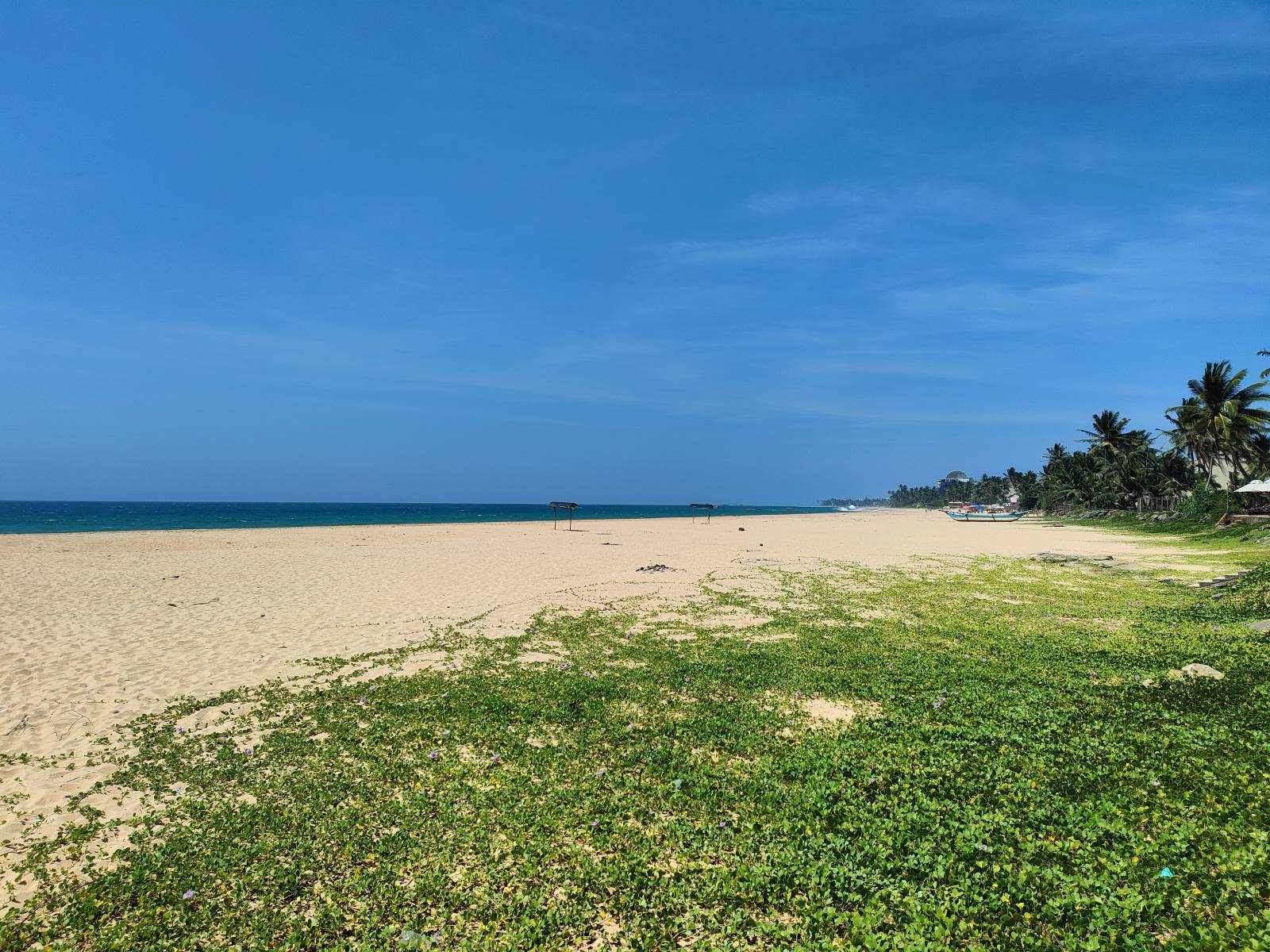
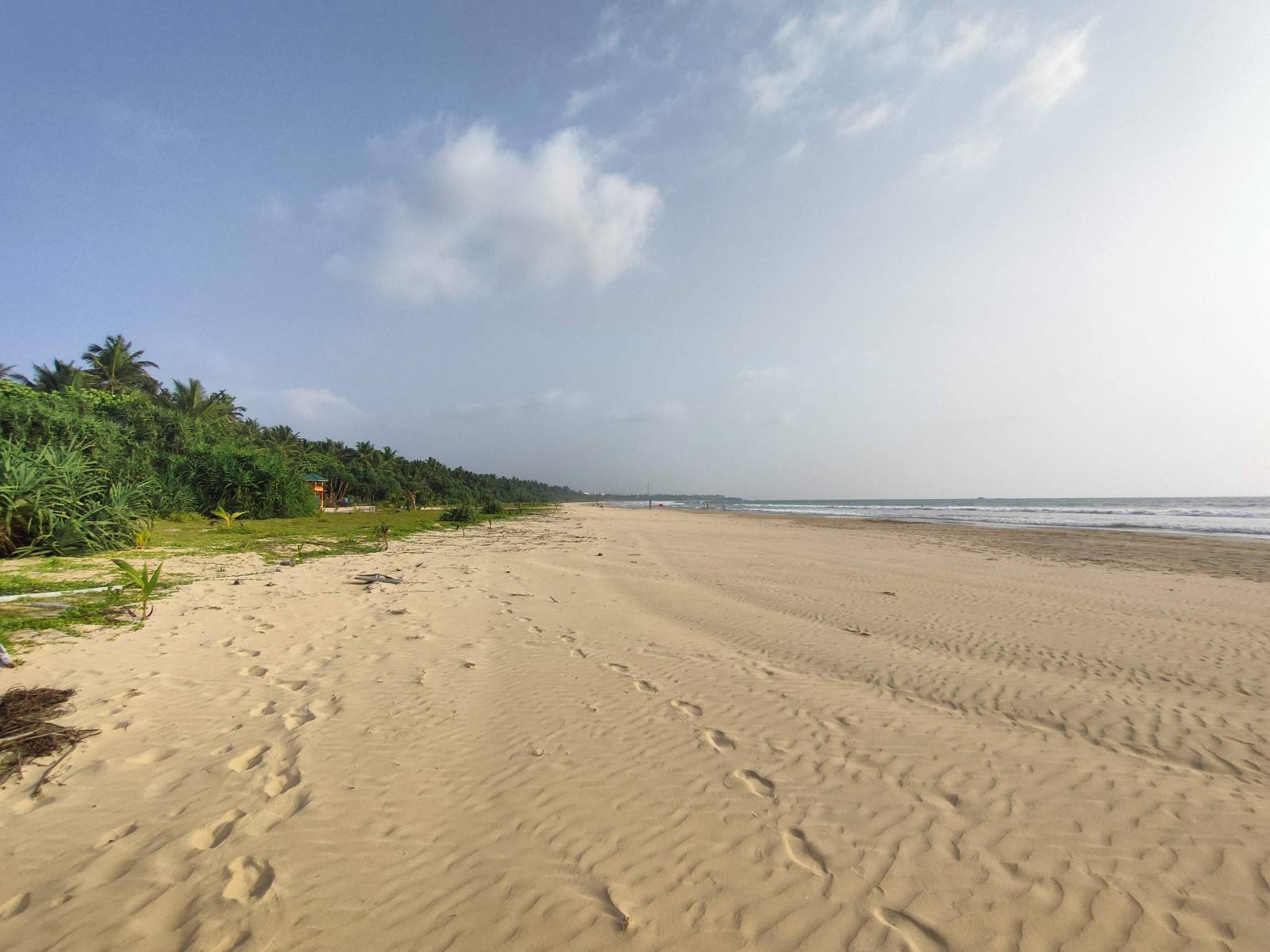
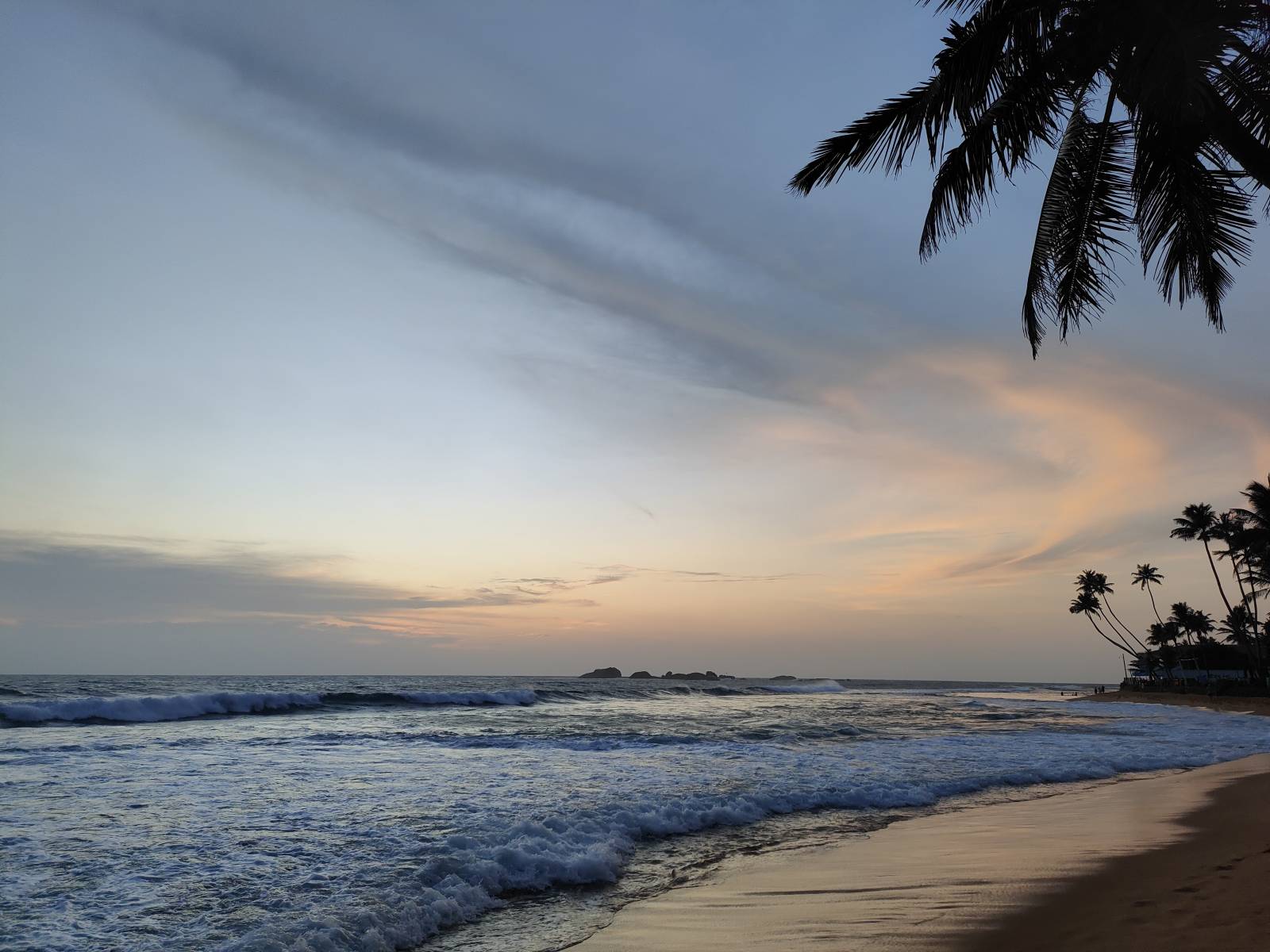
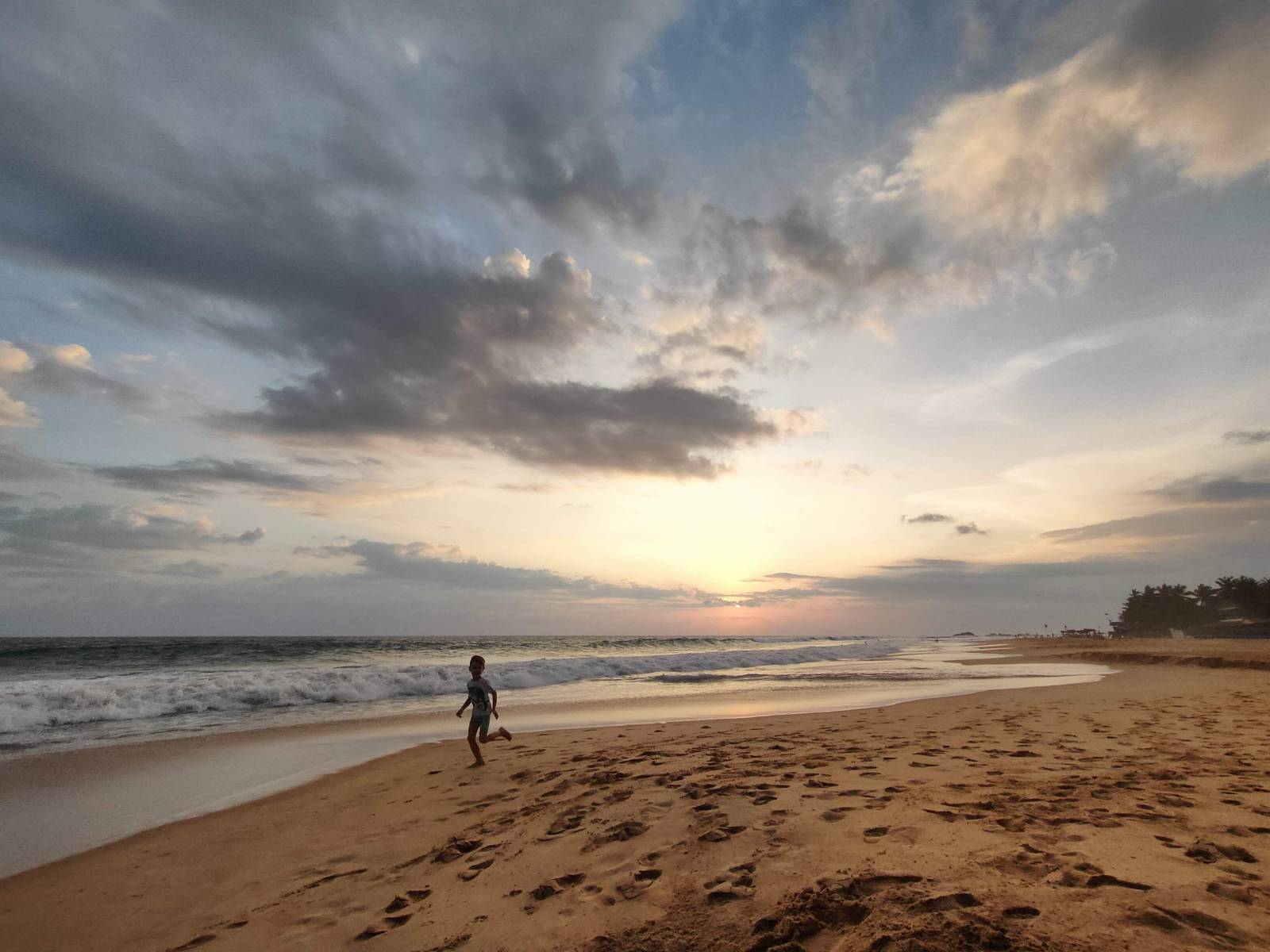
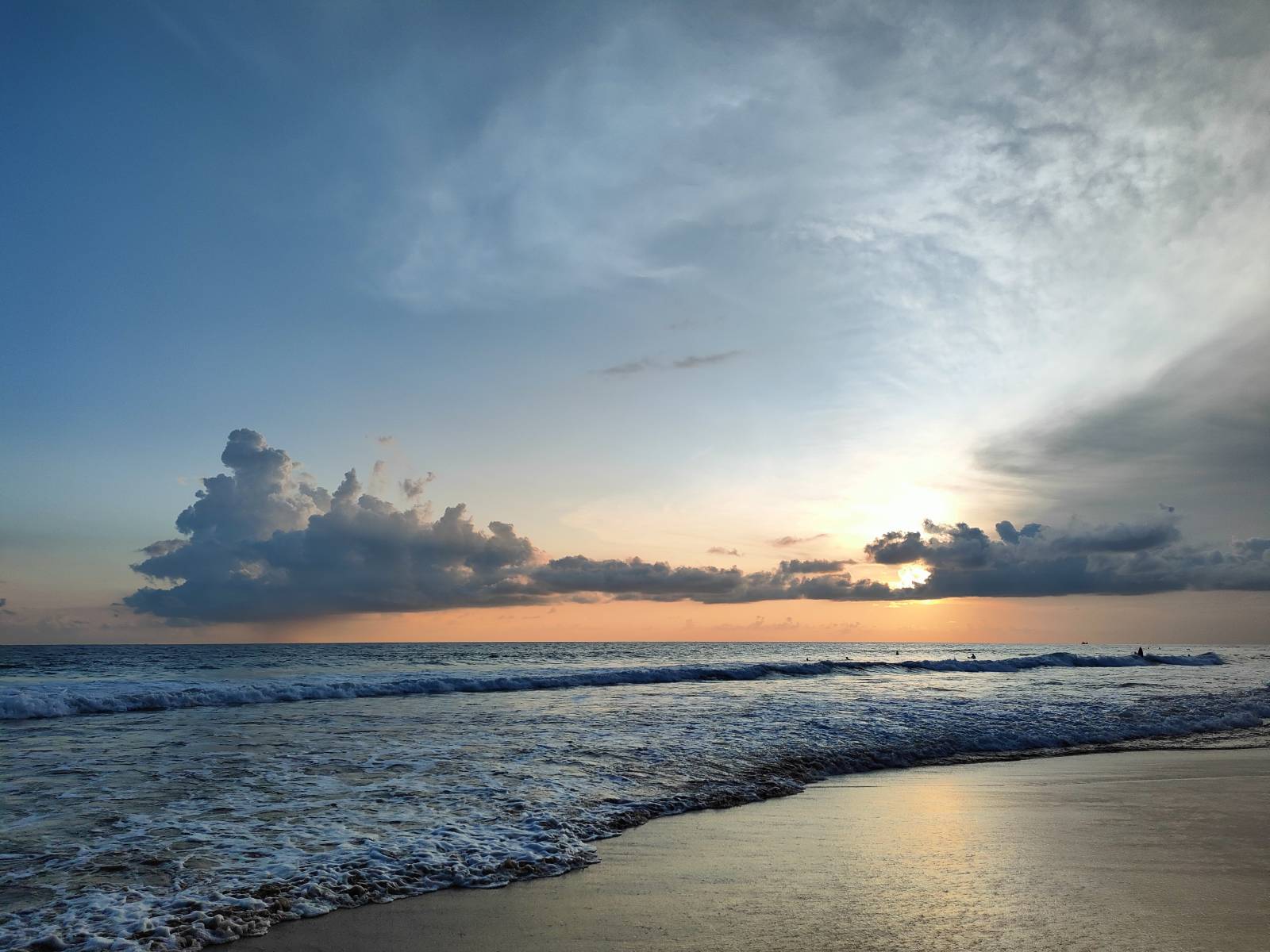
In Sri Lanka, the best beach choice depends more strongly on the coast and the time of year. South-western areas such as Unawatuna, Mirissa and Weligama are popular in one season, while the east coast, including Trincomalee and Arugam Bay, may be more suitable in another. The coastline feels more varied, but moving between regions takes time. Do not apply a forecast for Colombo or the south-west to the whole island.
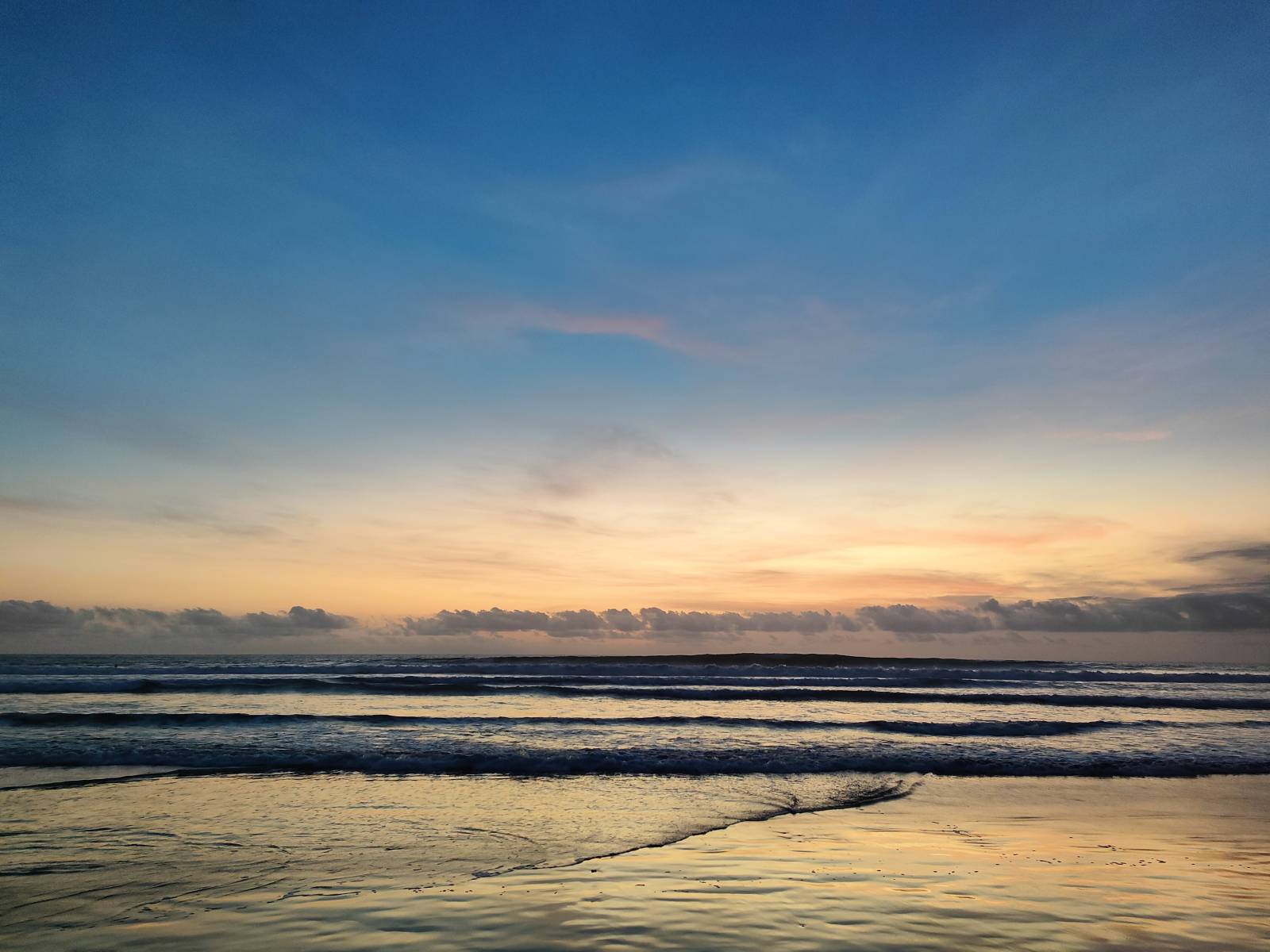
Bali
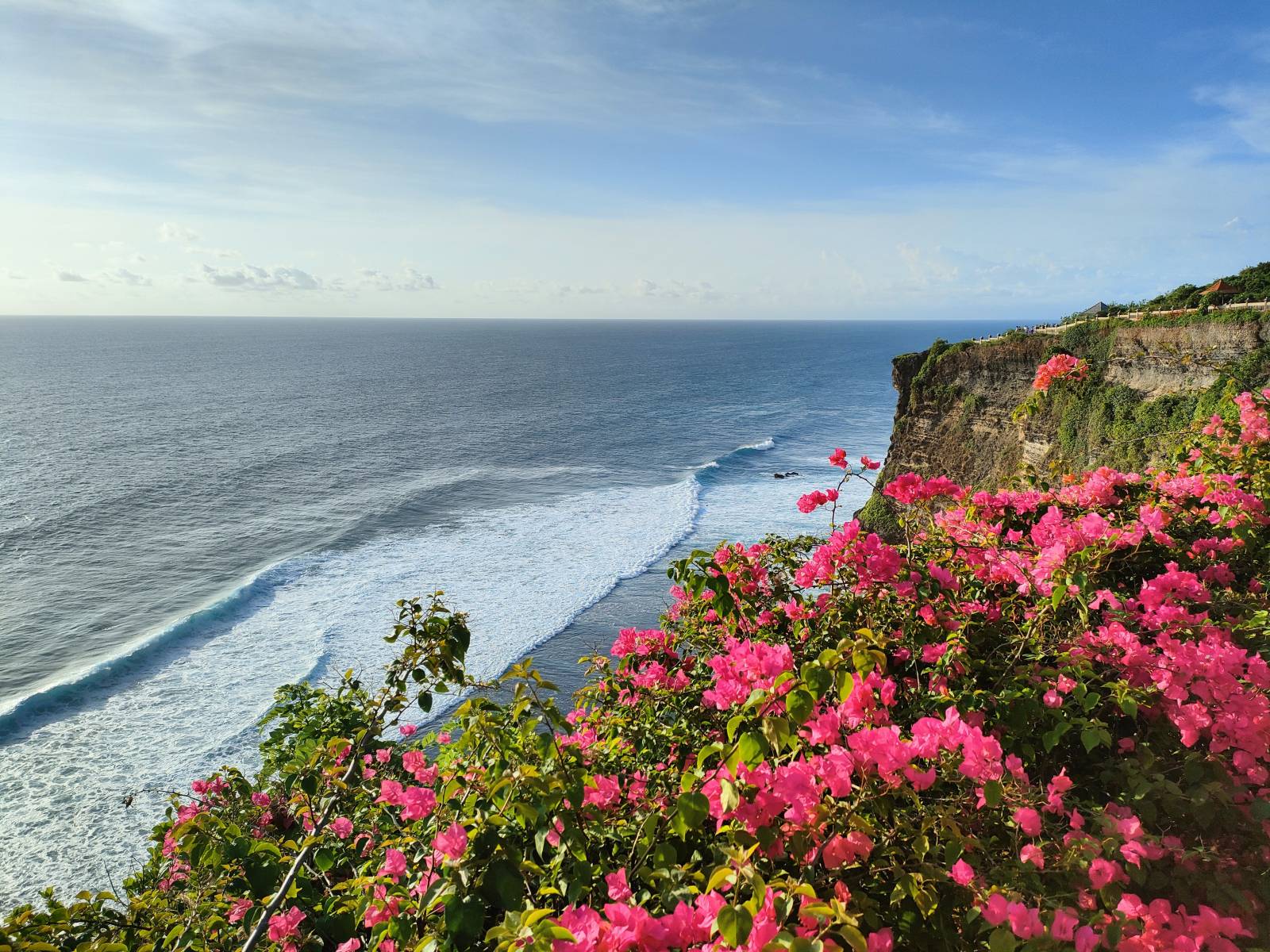
Bali
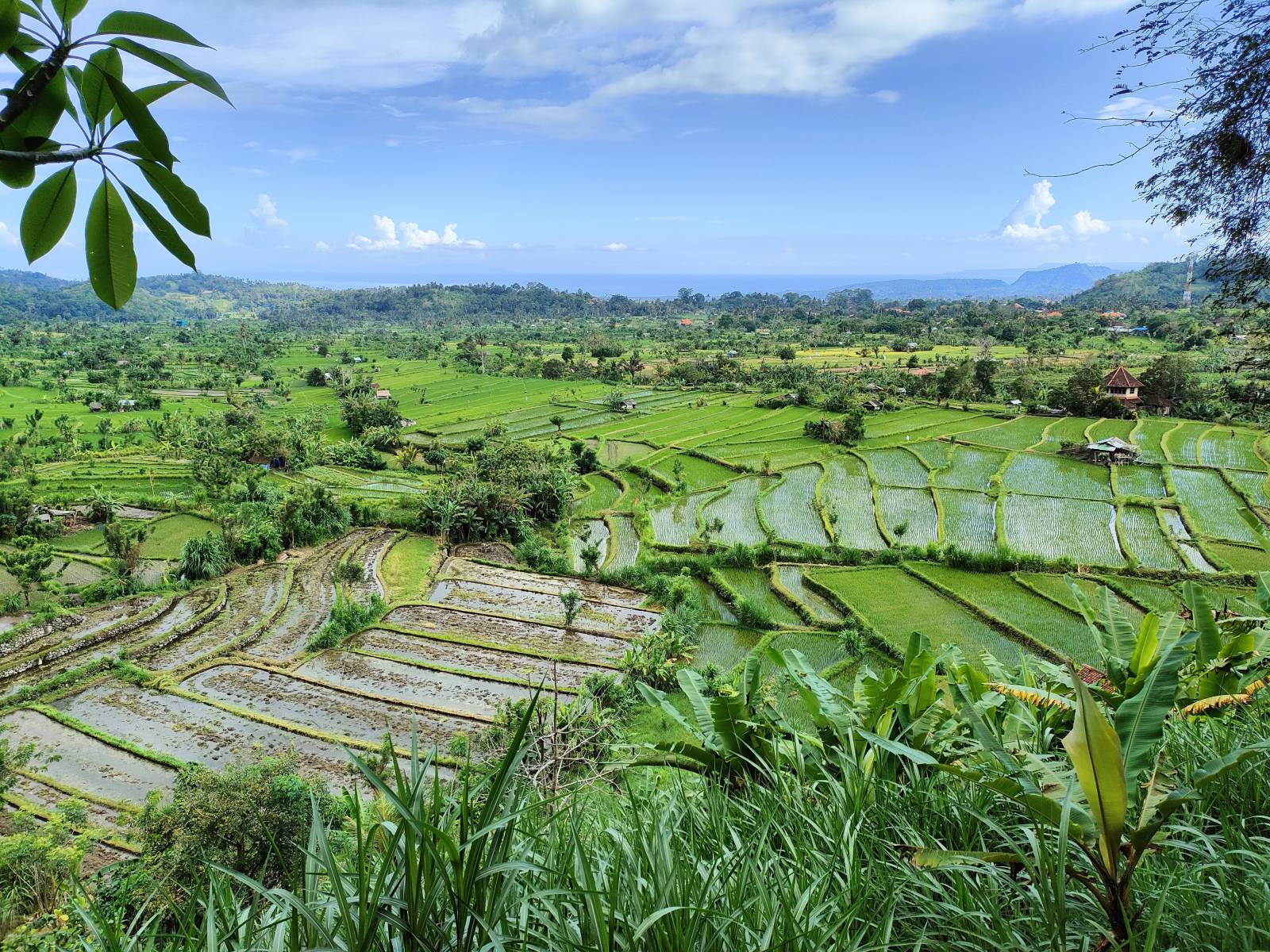
Bali
Bali
Bali
Bali
Bali
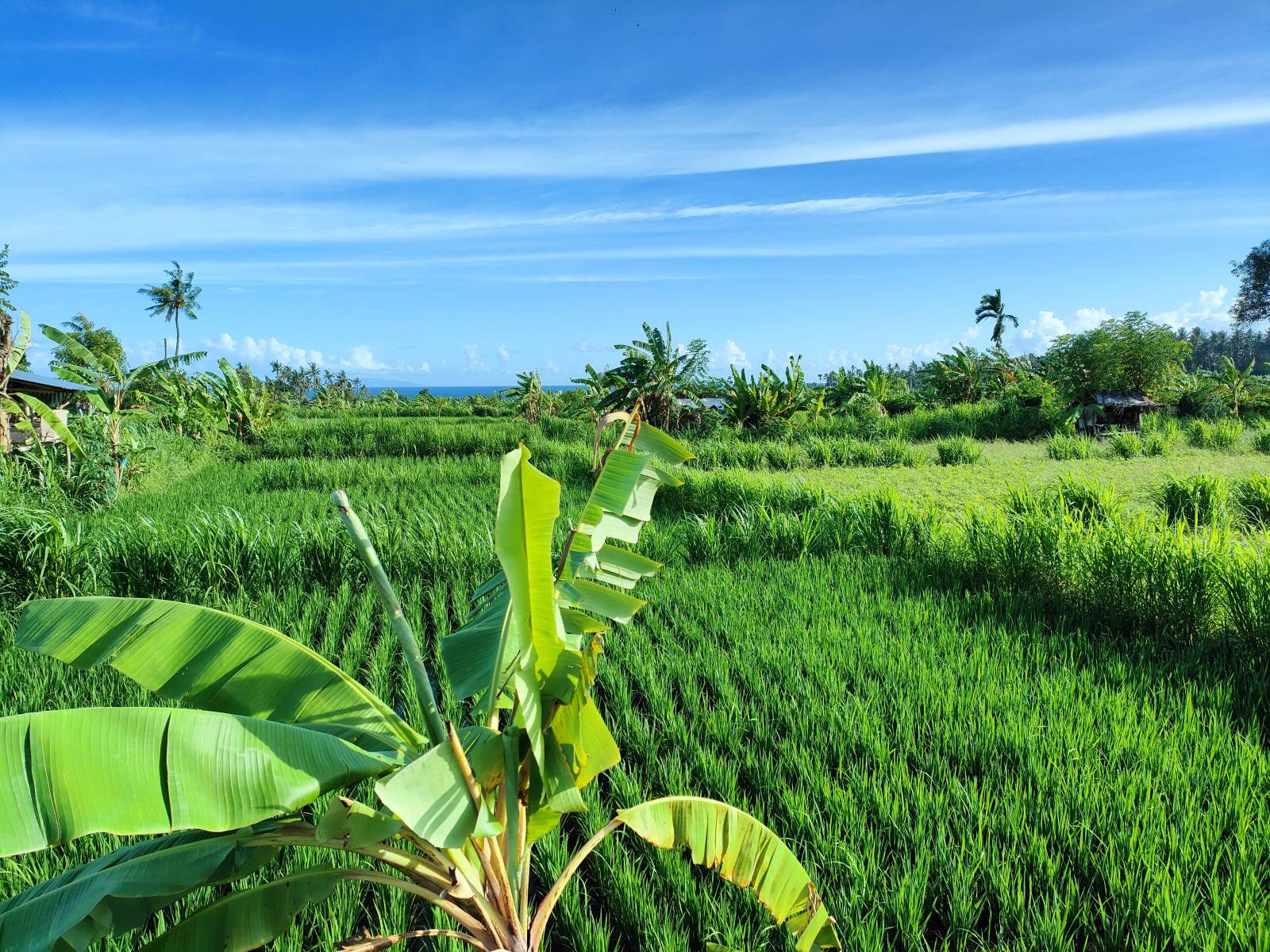
Bali
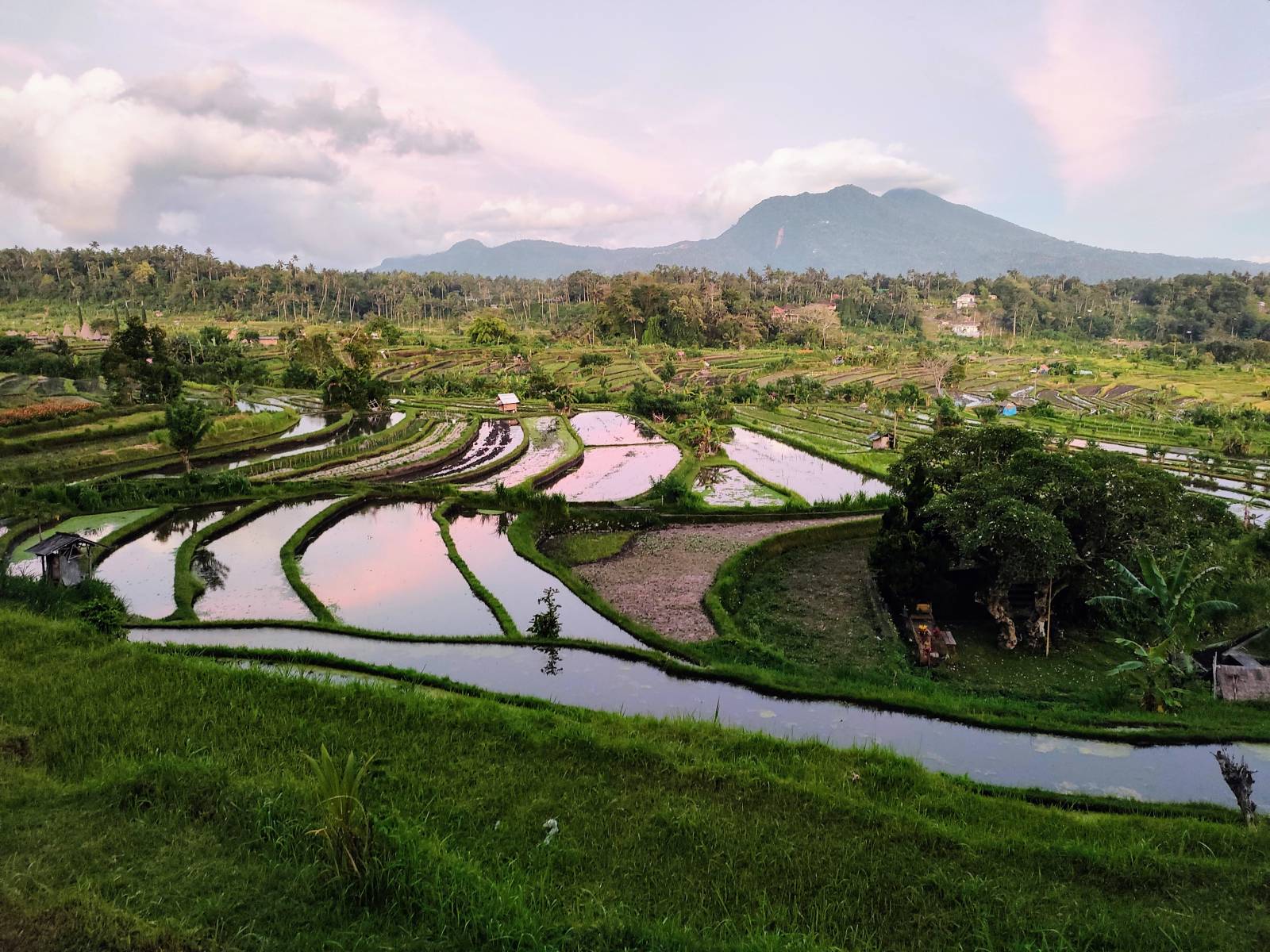
Bali
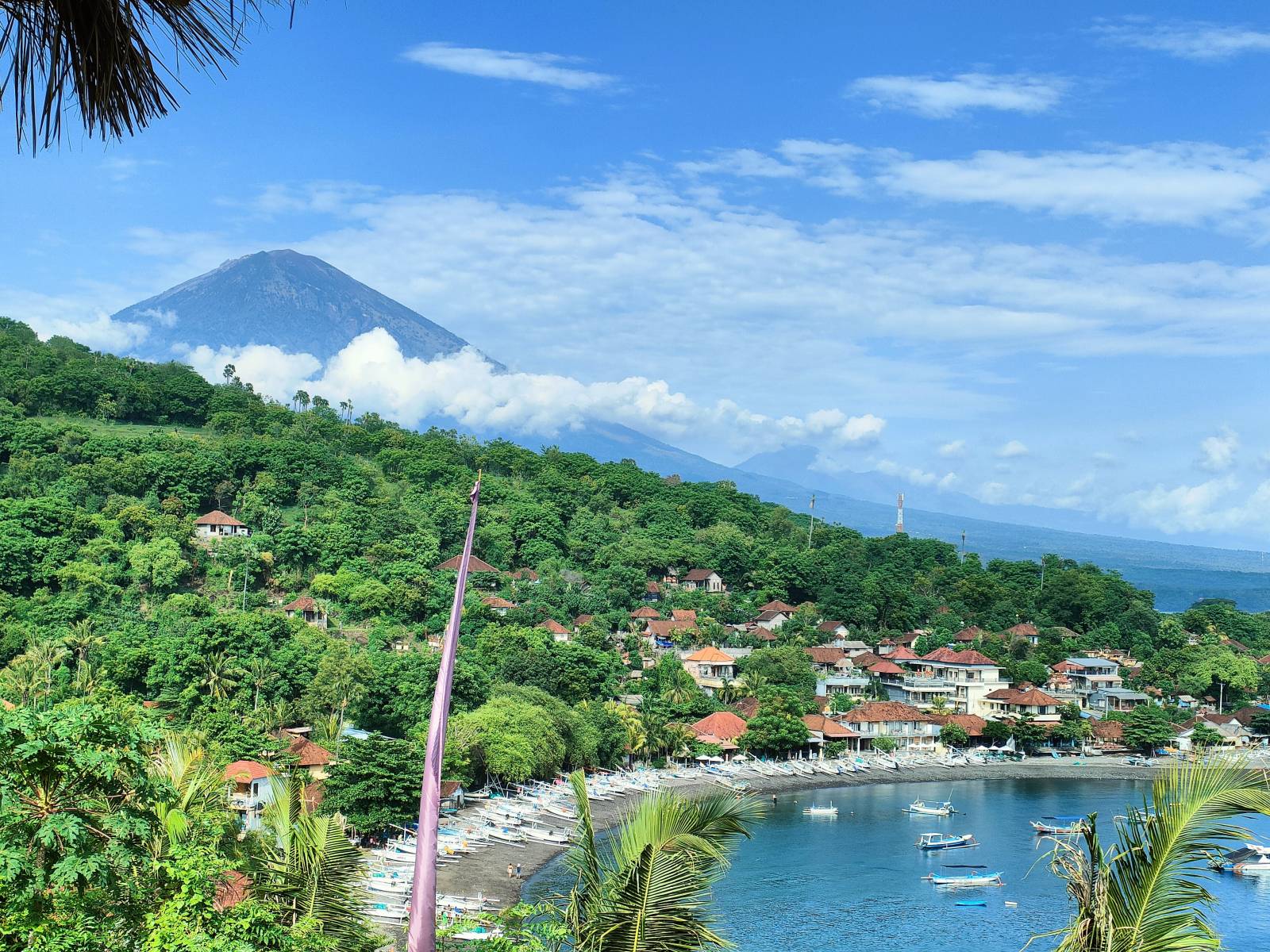
Bali
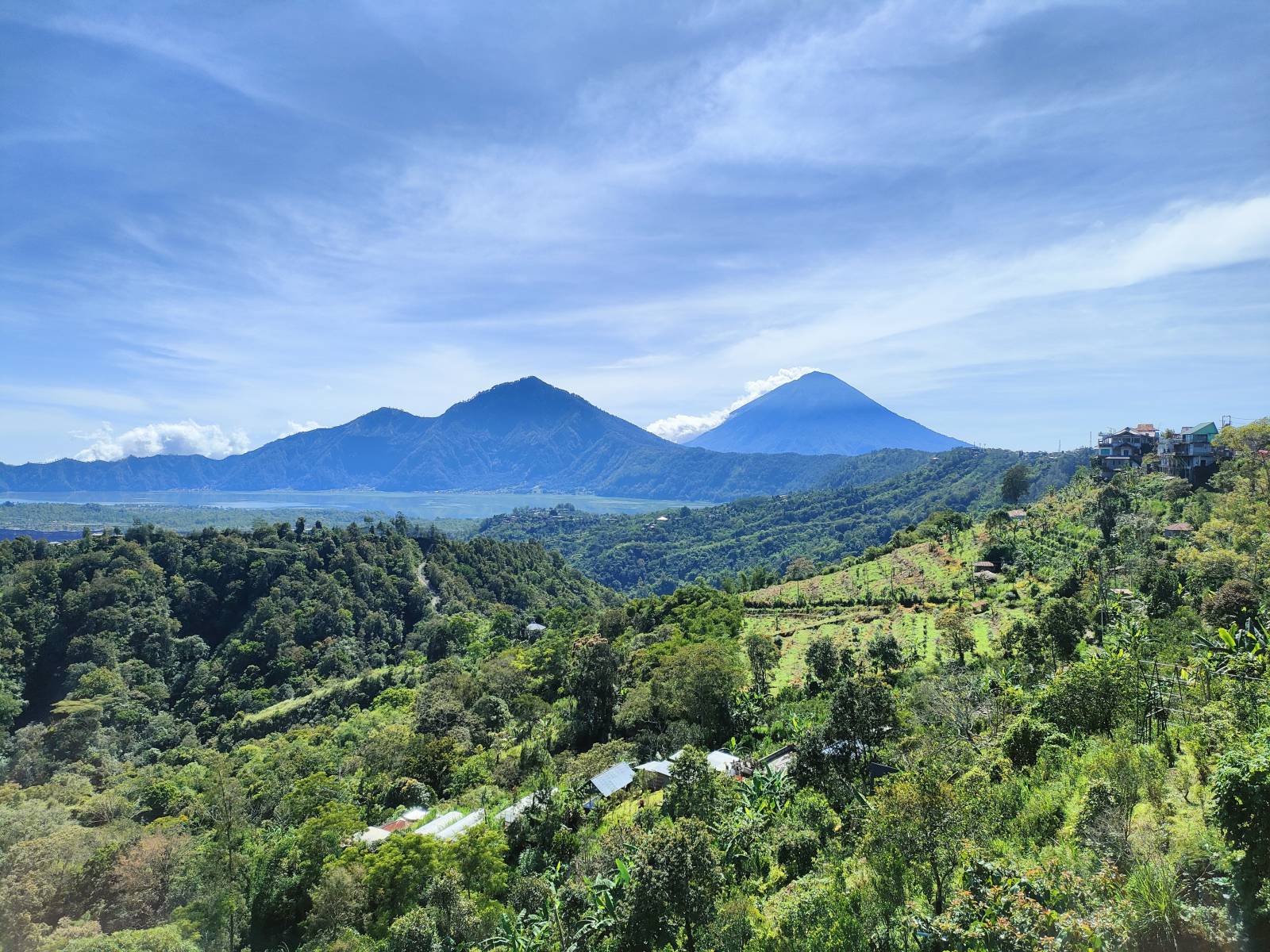
Bali
Bali
Bali
Sri Lanka
Sri Lanka
Sri Lanka
Sri Lanka
Sri Lanka
Sri Lanka
Sri Lanka
Sri Lanka
Sri Lanka
Sri Lanka
Sri Lanka
Sri Lanka
Sri Lanka
Nature and outdoor activities
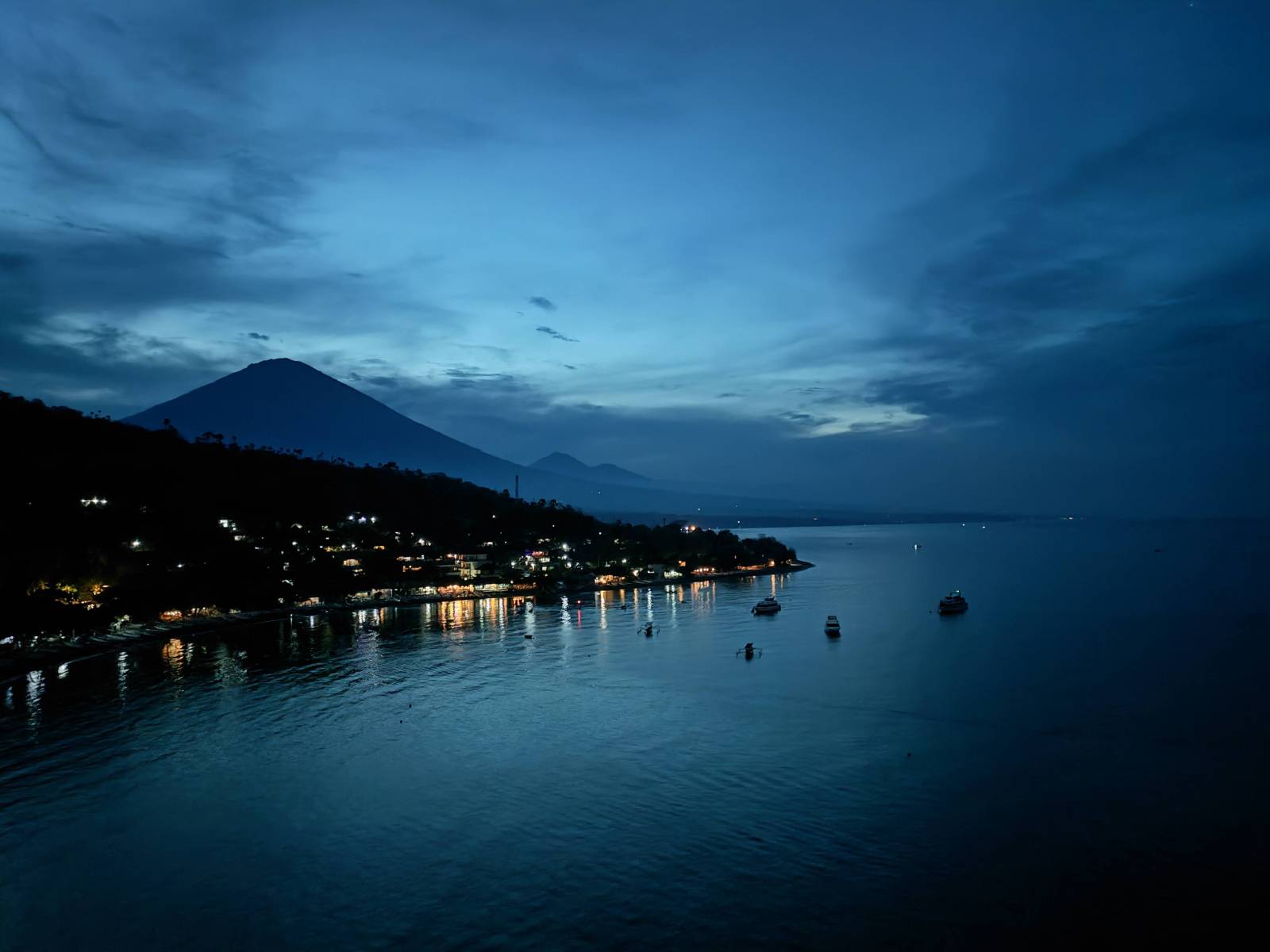
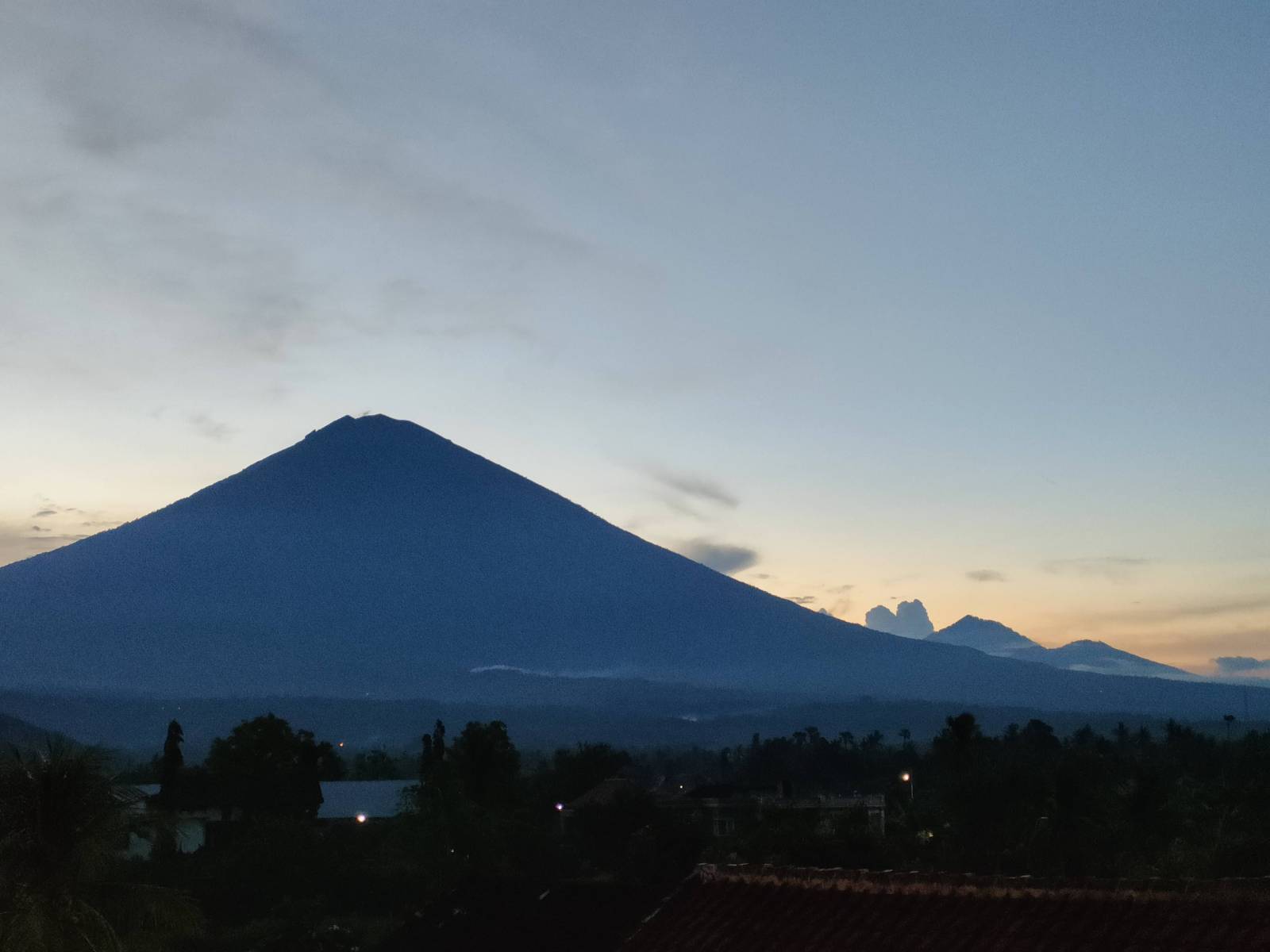
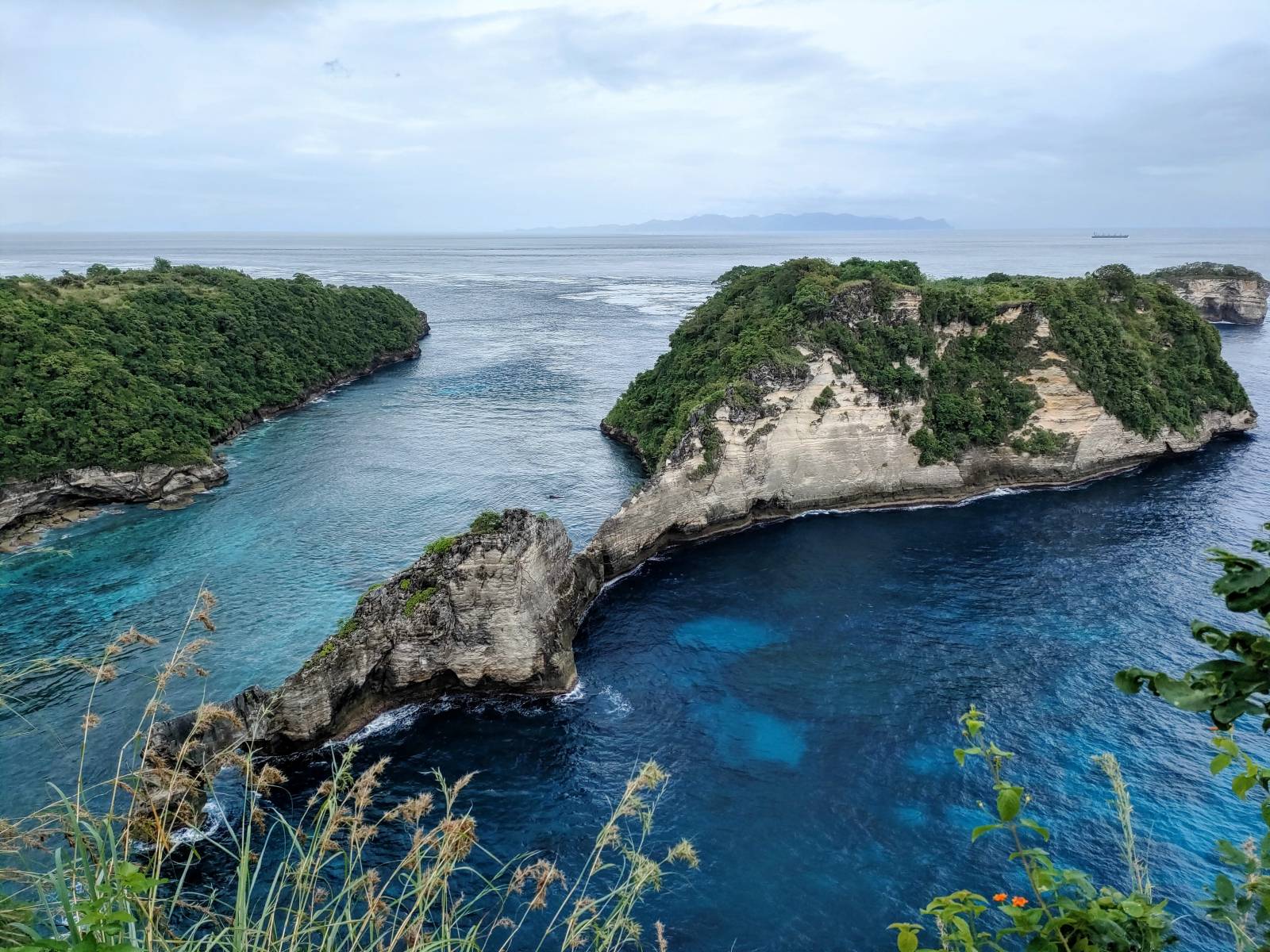
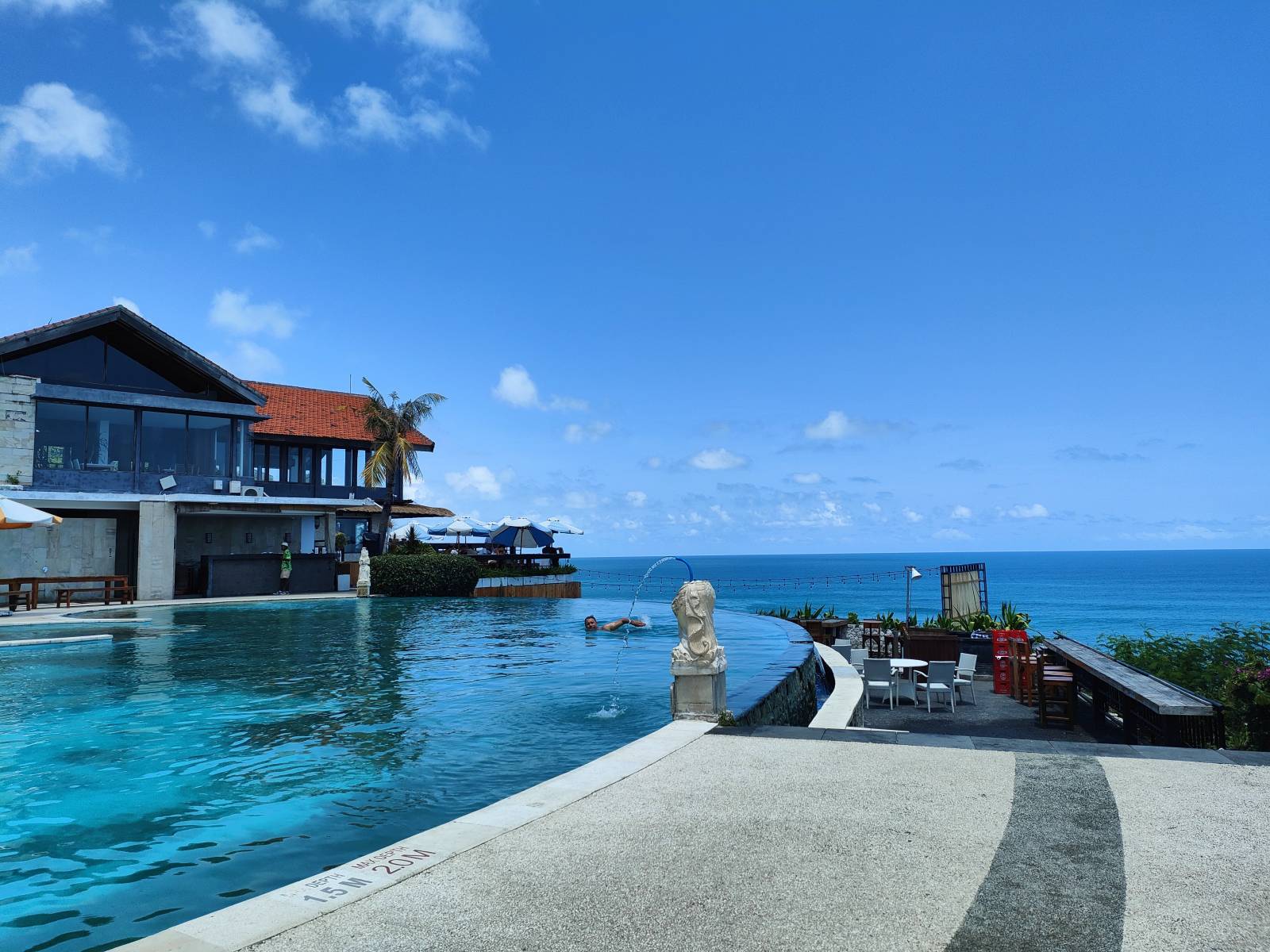
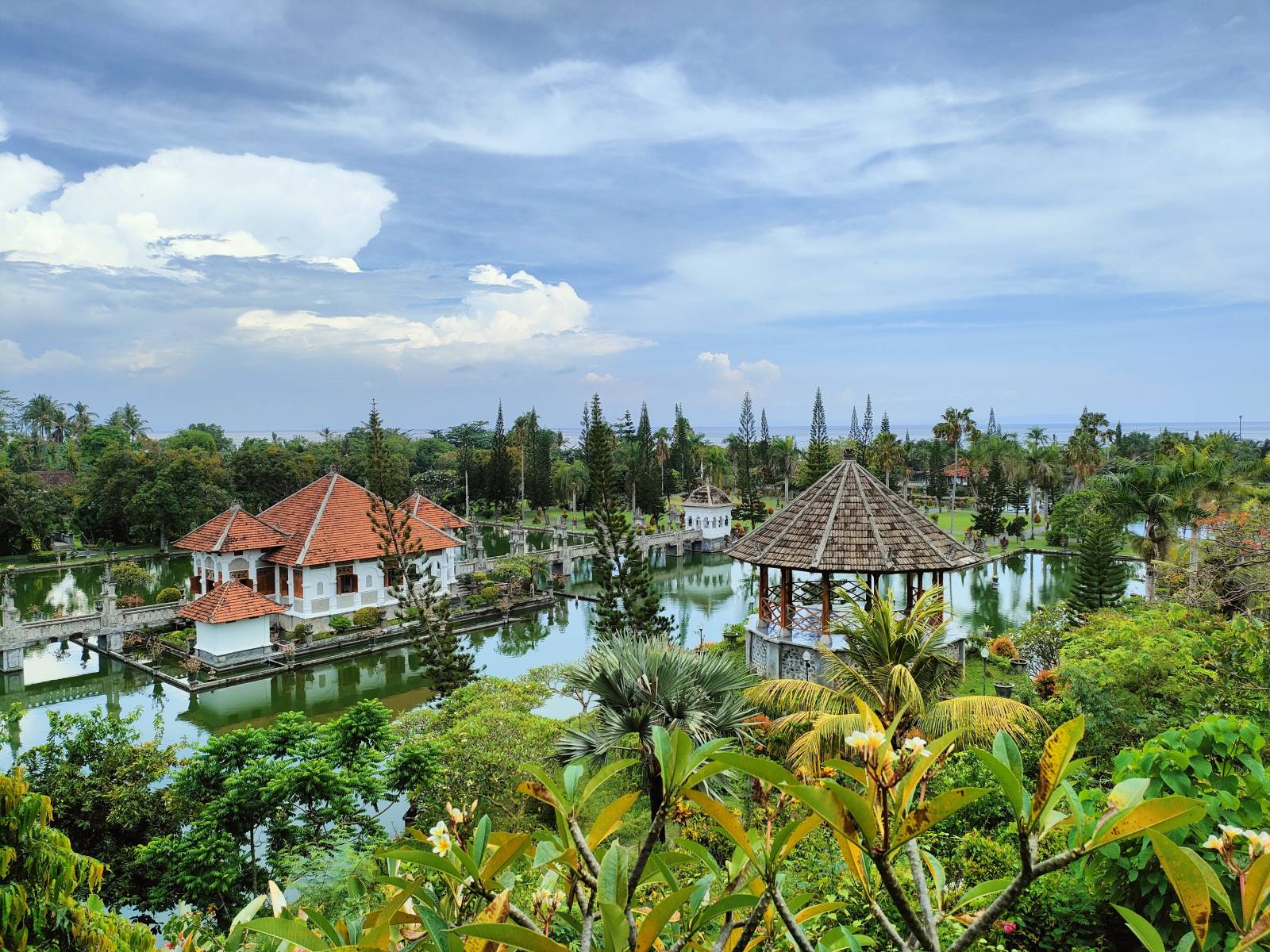
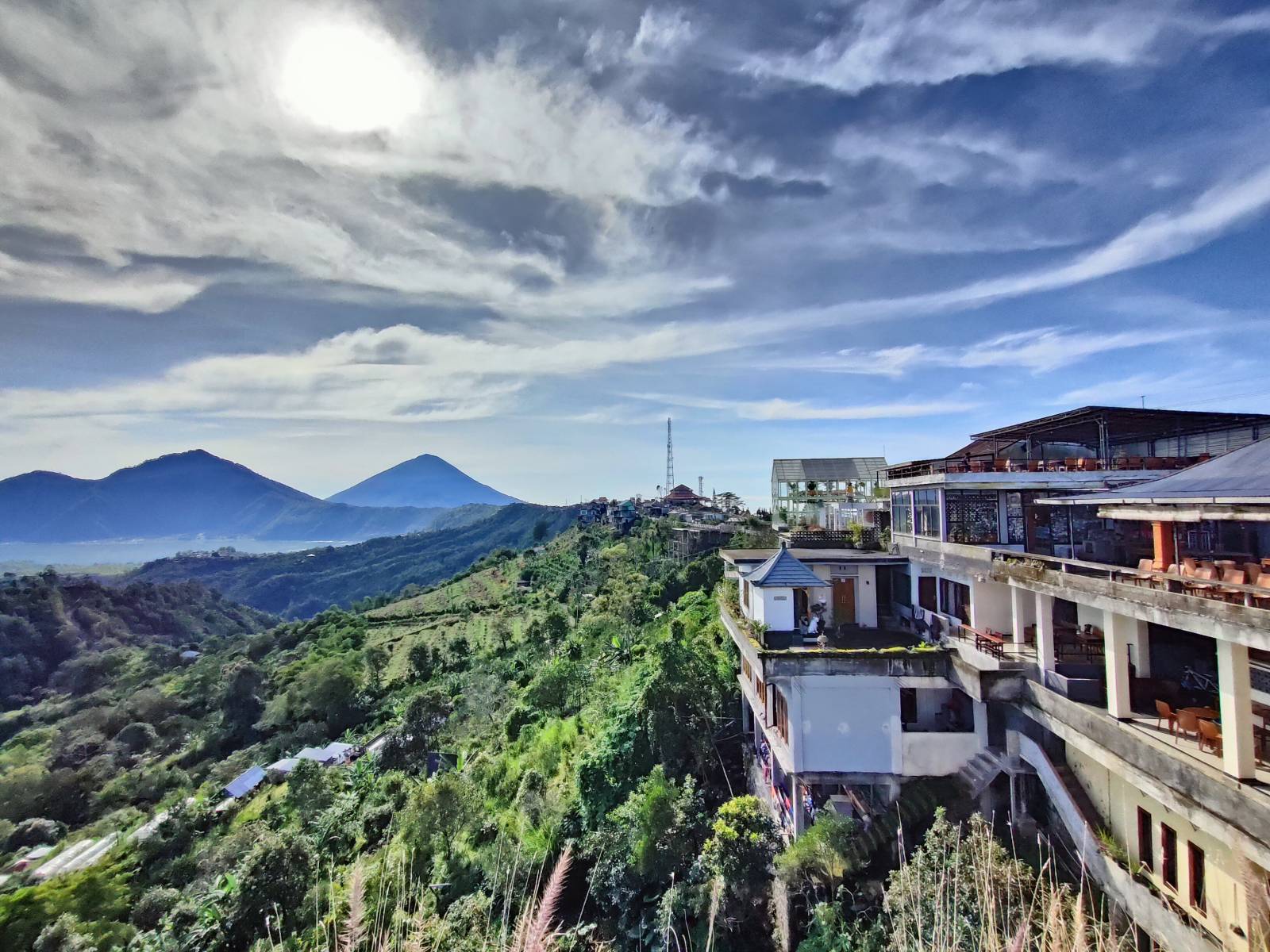
In Bali, it is easy to combine the ocean with day trips to the volcanic landscapes around Kintamani, rice-growing areas, waterfalls, snorkelling sites and rafting routes. The island is compact only on a map: traffic in the south can turn a short transfer into a long one, and a volcano hike requires a check of official alerts and trail conditions.
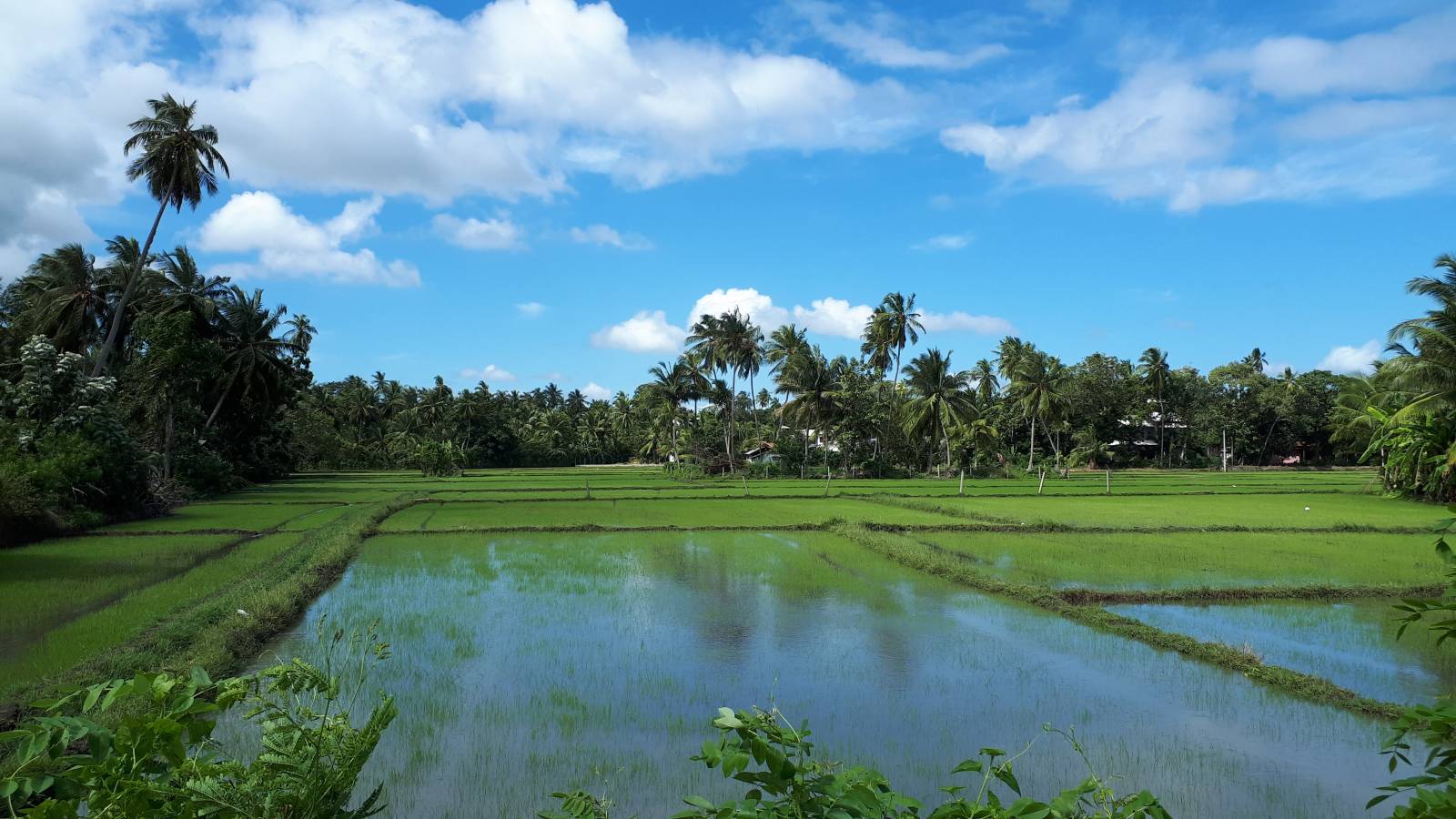
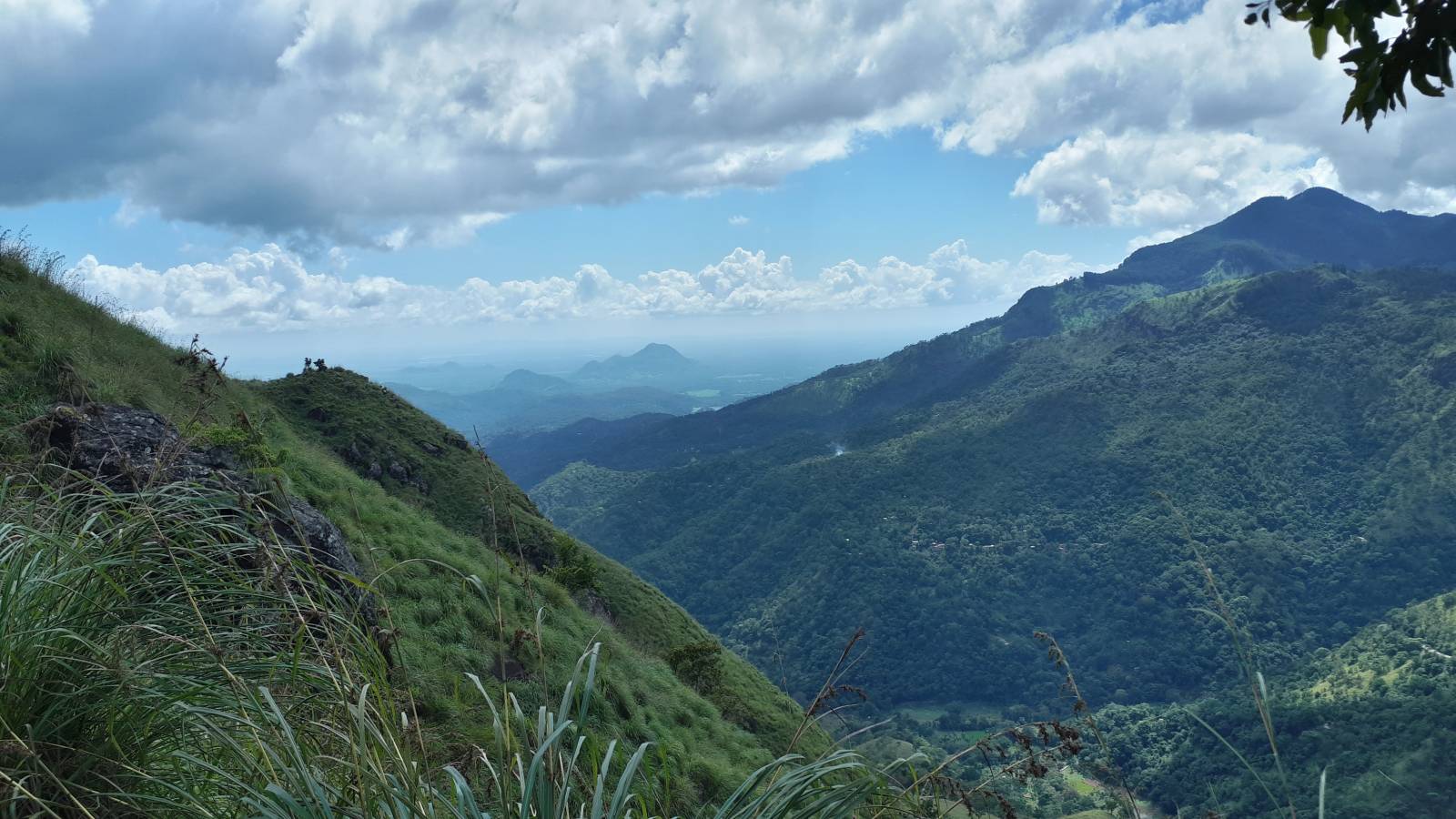
Sri Lanka offers greater variety within one country. A single itinerary can combine a national park, a safari, tea plantations in the central highlands, historic cities and an ocean beach. UNESCO lists eight World Heritage properties in Sri Lanka, six cultural and two natural. A route like this usually needs a driver or careful transport planning and several overnight stops, but the experience changes significantly from region to region.
Bali
Bali
Bali
Bali
Bali
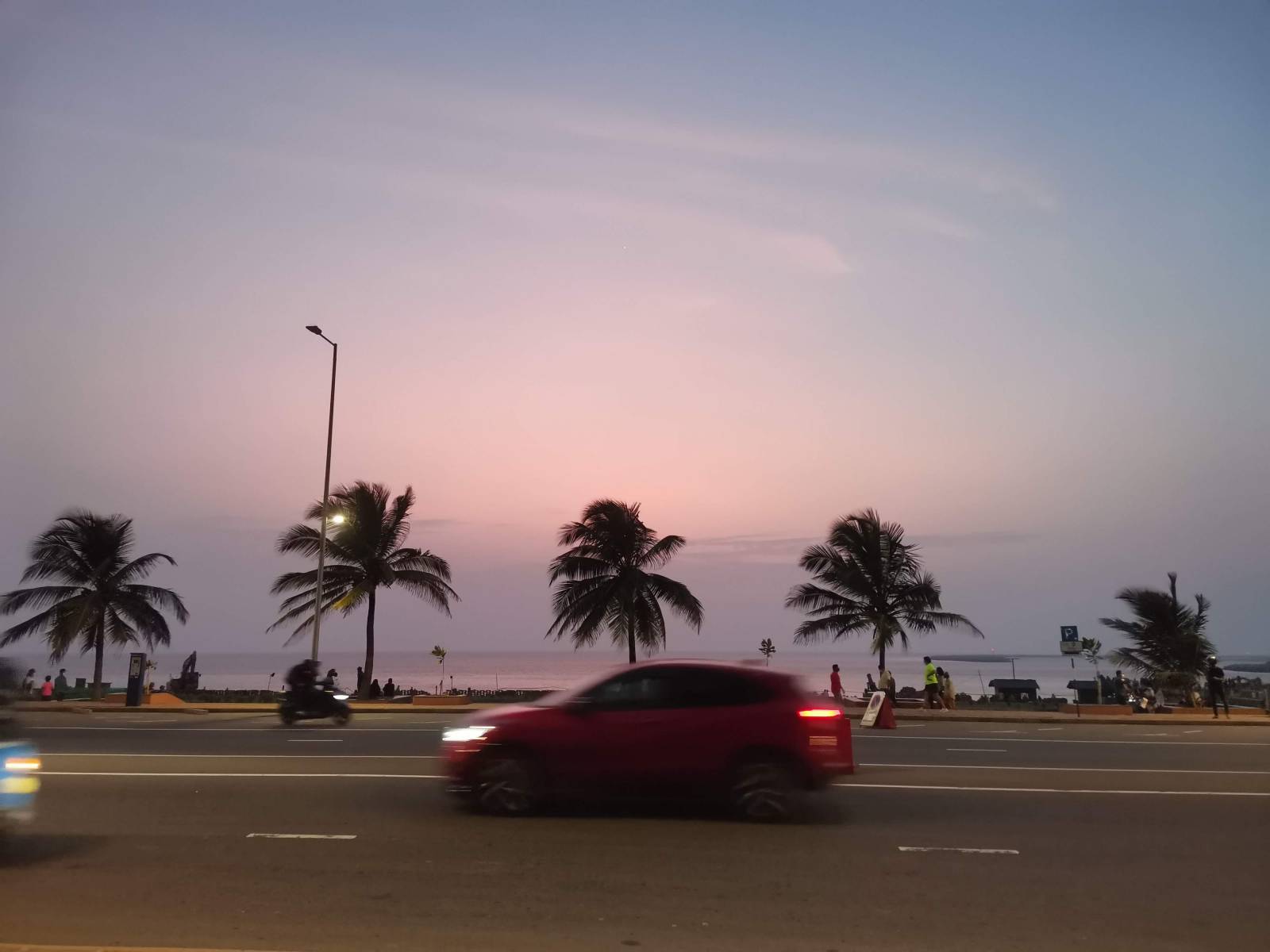
Sri Lanka
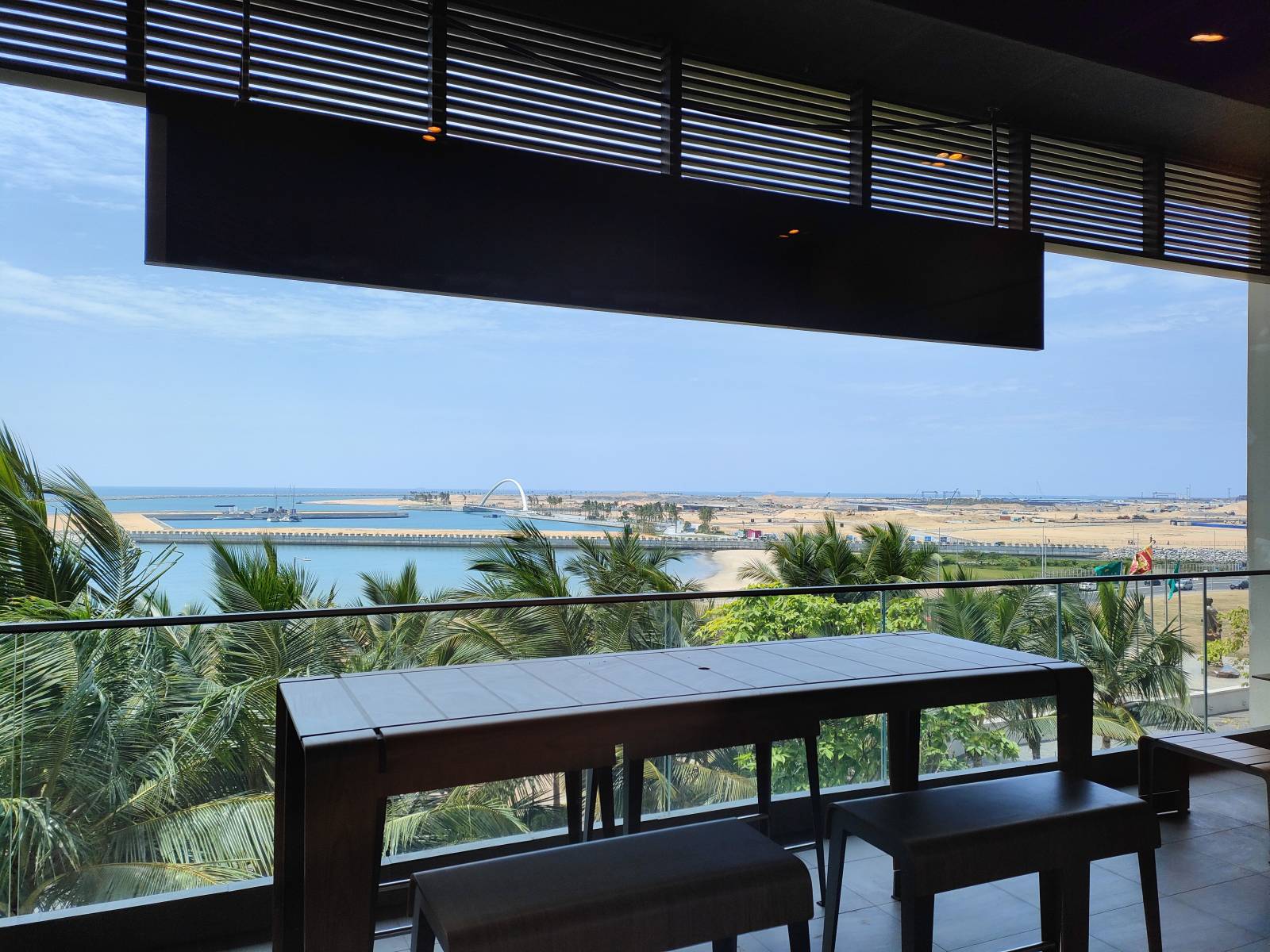
Sri Lanka

Sri Lanka
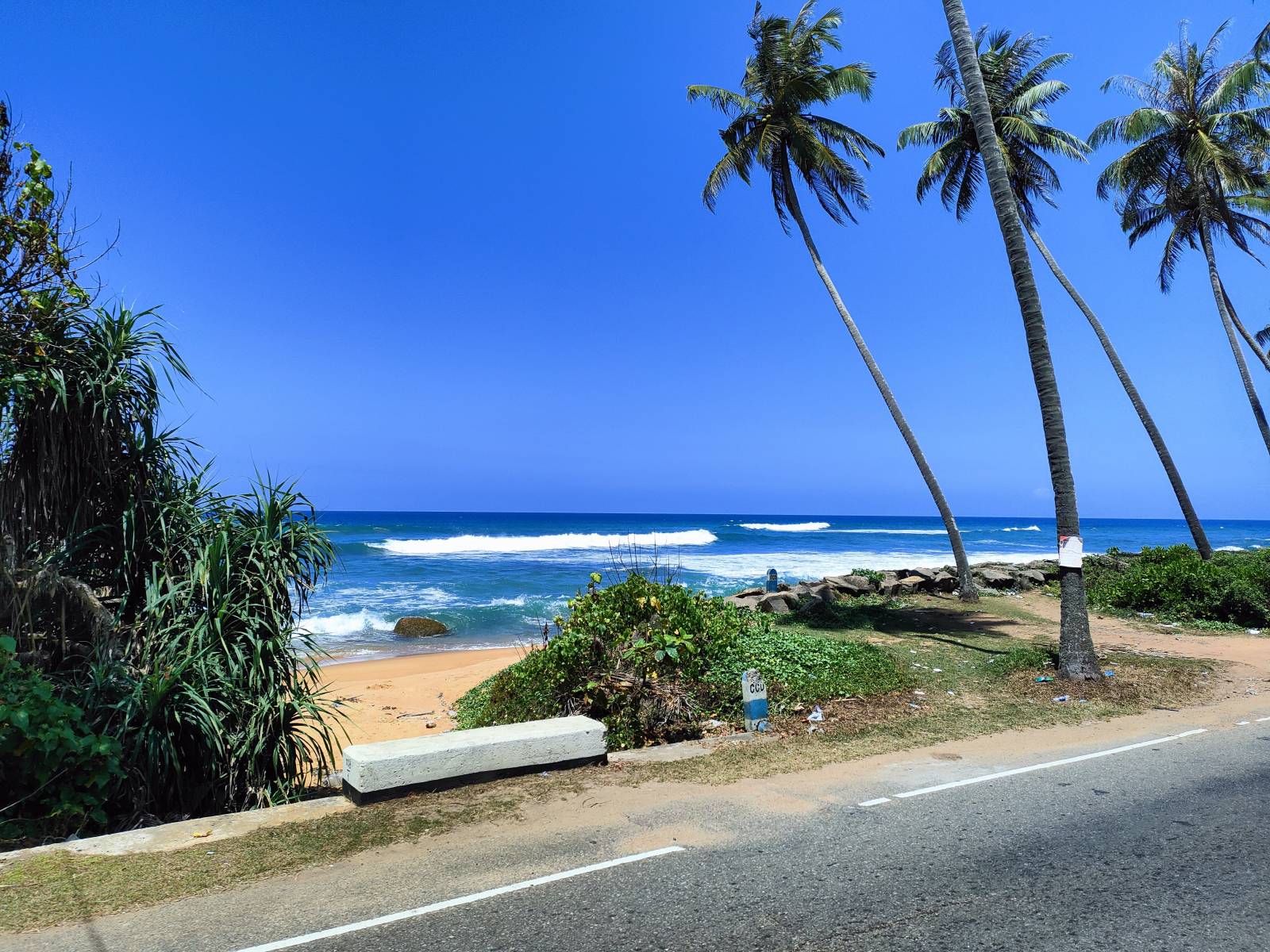
Sri Lanka
Culture and attractions
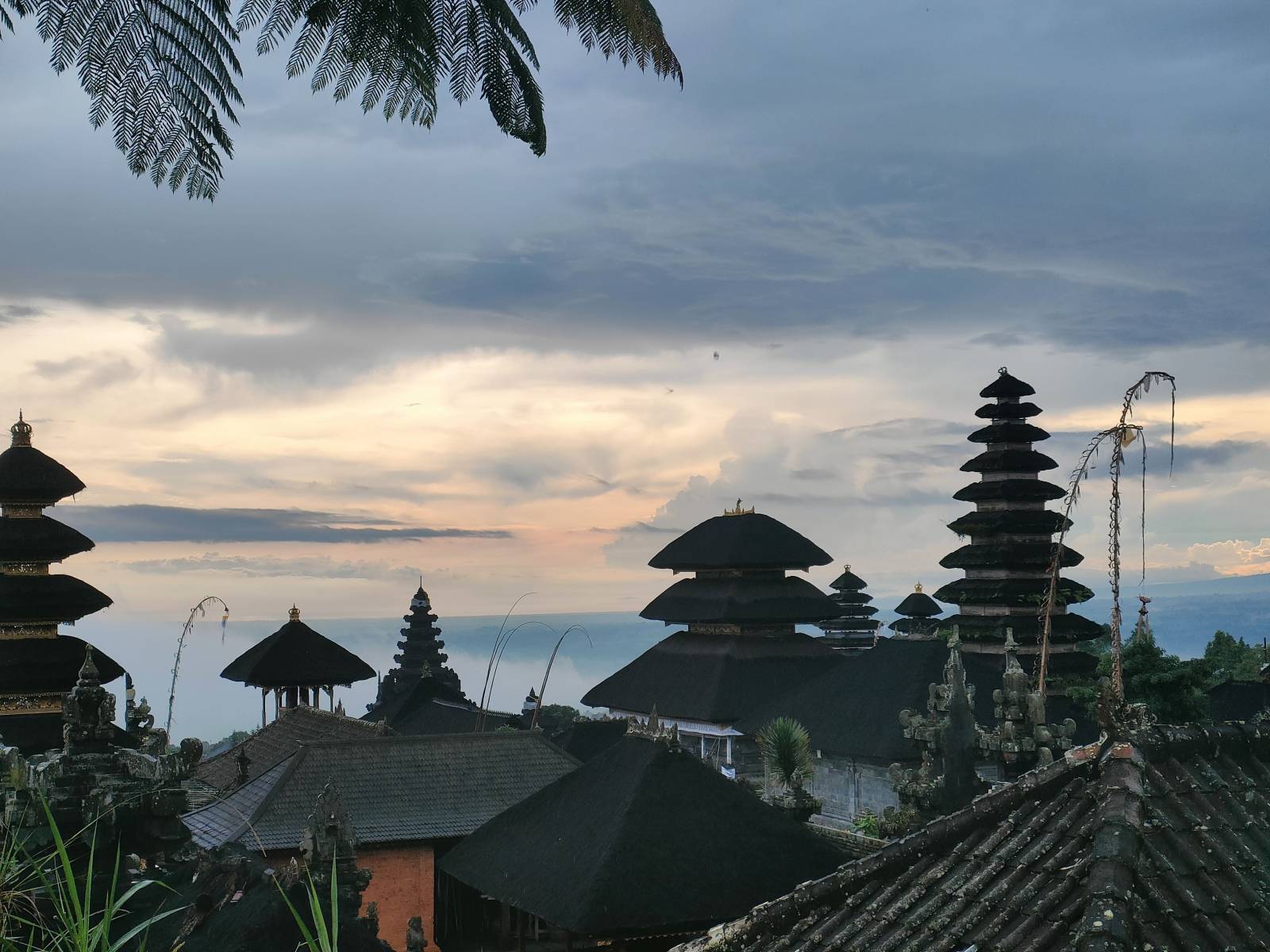
Bali is an Indonesian province with a Hindu majority, a dense network of temples, daily offerings, ceremonies and a distinctive calendar rhythm. Uluwatu, Besakih, Tirta Empul and temple complexes around Ubud show different sides of the island. At a temple, follow the dress code, stay out of restricted areas and do not treat an active ceremony as a staged performance.
Sri Lanka makes the scale of its Buddhist and historical heritage especially visible. Sigiriya, Anuradhapura, Polonnaruwa, Kandy, Dambulla and Galle Fort belong to different periods and regions. Temples and heritage sites also have dress and photography rules. Sri Lanka is a stronger fit for travellers who want to build a trip around history, archaeology and wildlife rather than remain near one beach.
Transport and travel rhythm
In Bali, visitors commonly use ride-hailing apps, private drivers, rental scooters or cars. A scooter is appropriate only with suitable licensing, experience and insurance: heavy traffic, unfamiliar roads and rain can quickly change the risk. In the south, allow extra time for congestion, airport transfers and cross-island trips.
Sri Lanka has trains and buses, and many travellers hire a driver for a multi-stop route. A train through the hill country can be an attraction in its own right, but schedules, seat availability and delays require flexibility. Tuk-tuks are useful for short rides; agree the route and fare in advance or use a trusted app where available.
Accommodation, food and budget
Both destinations cover a wide price range, from simple guesthouses to villas and resorts. It is misleading to compare countries using one average nightly price: your total depends on the area, season, distance from the sea, meals, transfers, platform fees and rental length.
Bali has a broader choice of international food, coworking spaces and long-stay services, especially in the south and around Ubud. Demand in popular areas also increases the cost of transport, electricity, cleaning and service charges. Sri Lanka offers many family-run hotels and local restaurants, while transfers and guided excursions can take a larger share of the budget. Rice and curry, seafood, tea and tropical fruit are central to the experience; ask about spice levels if you are not used to them.
Entry rules and visitor payments in 2026
Bali does not have a separate visa system: Indonesia sets the entry rules. For nationalities eligible for Visa on Arrival, the tourist VoA normally allows 30 days and can be extended once for another 30 days. The eligible-country list, passport requirements and fee should be checked on Indonesia's immigration website. Some nationalities have a limited visa-free arrangement; do not confuse it with a VoA or an extension.
Bali also charges an international tourist levy. The Love Bali portal currently states a one-time payment of IDR 150,000, but check the amount, exemptions and payment method there before travel. A visa, a provincial tourist levy and an agent's service fee are separate charges.
Sri Lanka uses an electronic ETA system. The official portal says that from 25 May 2026 citizens of 40 countries can obtain a 30-day tourist ETA free of charge, while also stating that foreign nationals generally need to obtain an ETA before arrival and must check the rules for their passport. Do not rely on older articles describing visa-free entry or previous fees: immigration rules change faster than travel guides.
Safety and local etiquette
The same basic precautions help in both destinations: keep documents separately, use official or trusted transport, arrange travel insurance, monitor weather and do not overestimate your driving or swimming ability. In Bali, road safety and ocean conditions deserve particular attention. In Sri Lanka, add extra time for long transfers, wildlife areas and mountain roads.
A temple, national park or village is more than a tourist service. Follow clothing and staff instructions, do not touch animals, leave no waste and ask before photographing people. During major ceremonies and holidays, transport, street access and attraction hours may change temporarily.
Conclusion
Bali is usually the better fit for travellers who want convenience, a large choice of services, surfing, cafés, an active social scene and several holiday styles in one island. Sri Lanka is stronger for a route across the country: ocean, safari, mountains, tea, Buddhist heritage and historic cities.
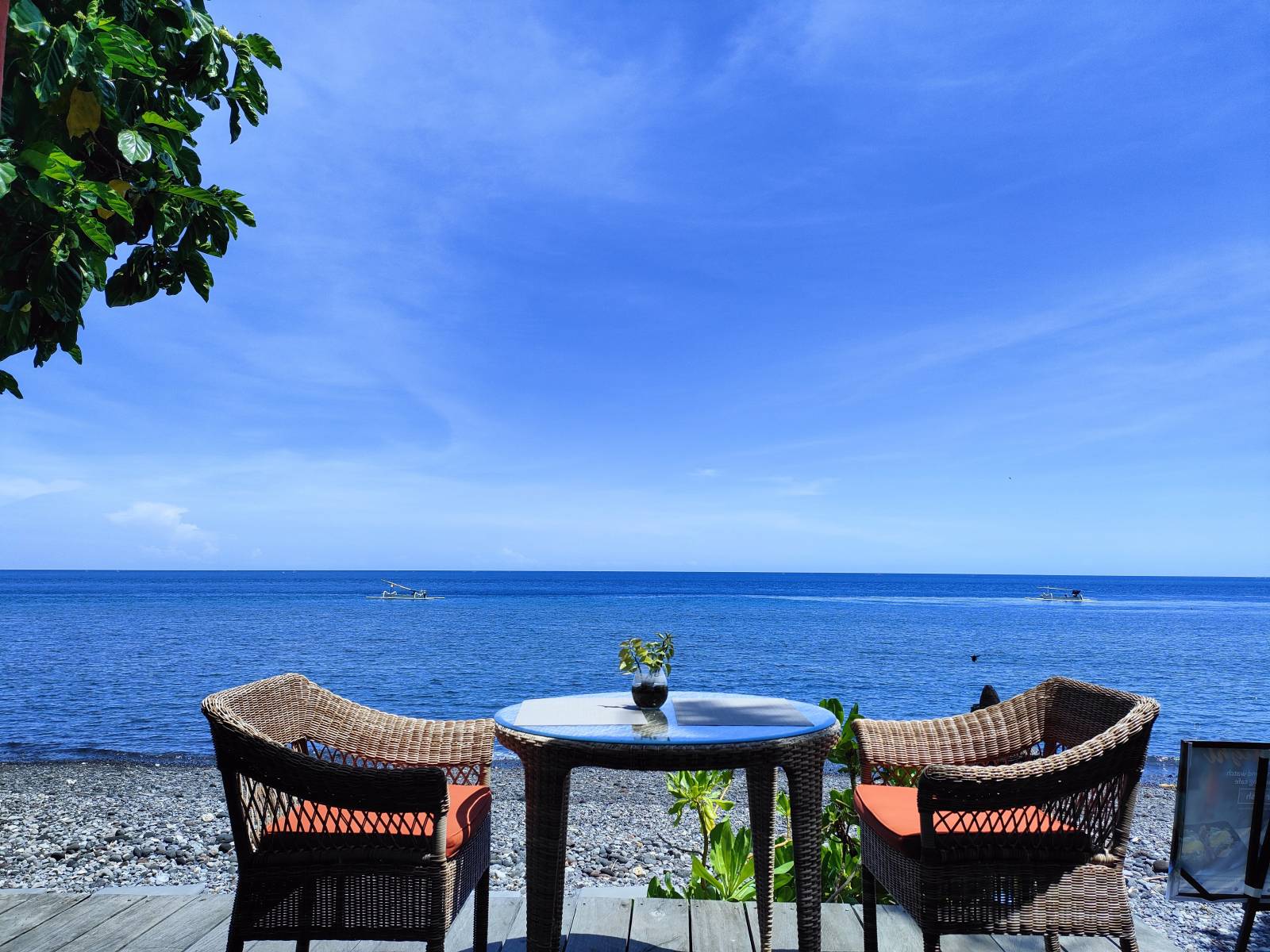
Bali
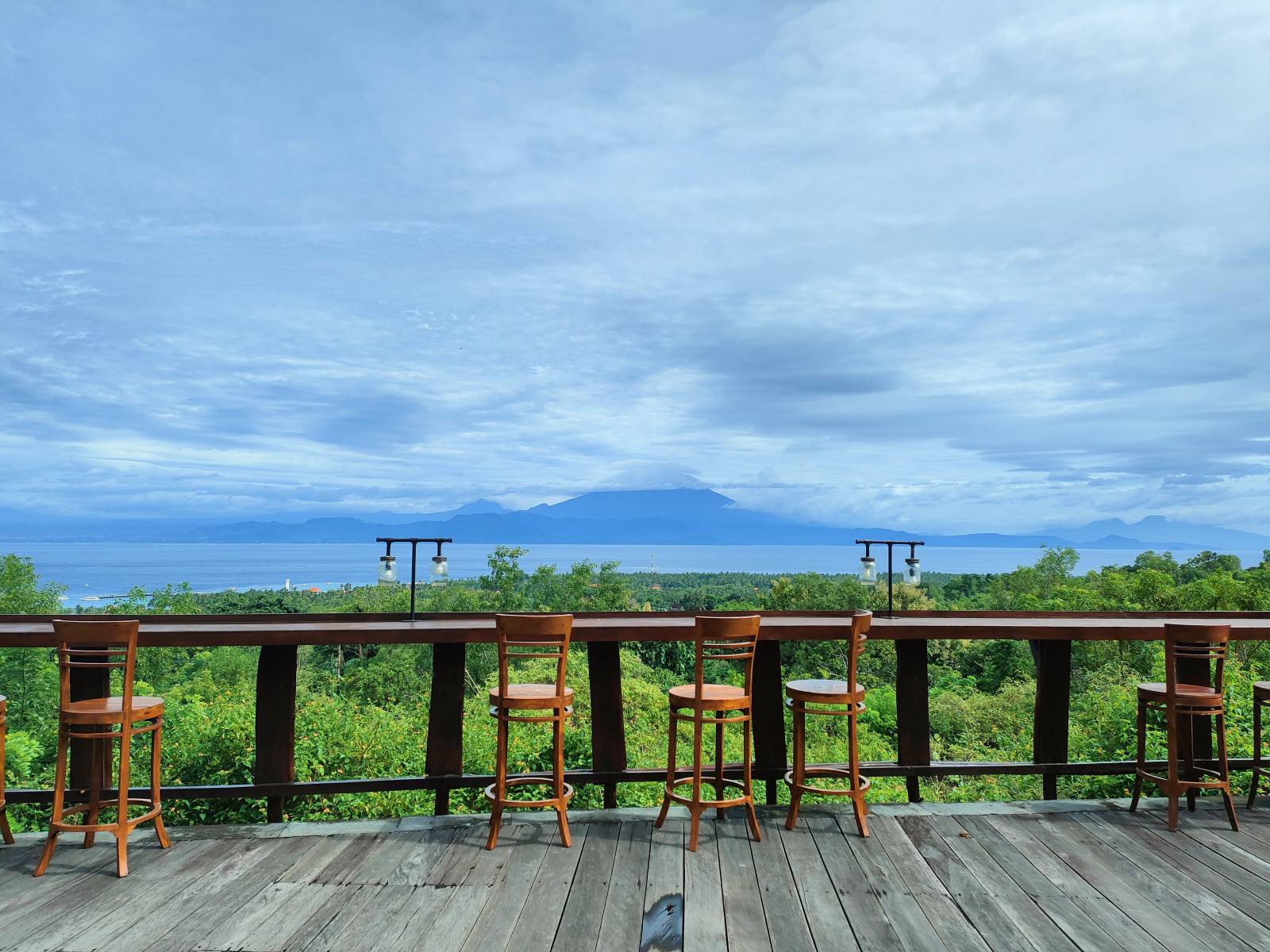
Bali
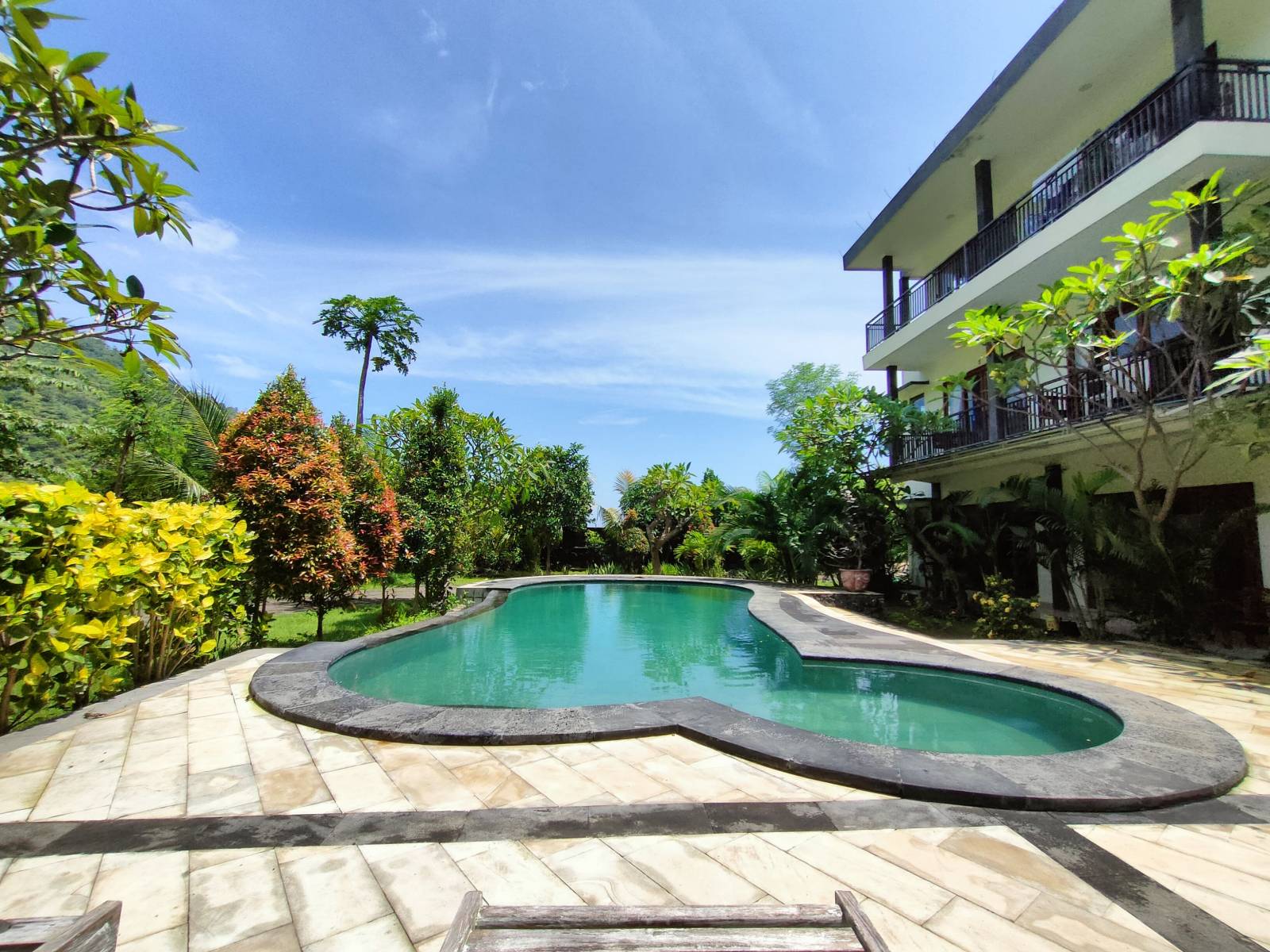
Bali
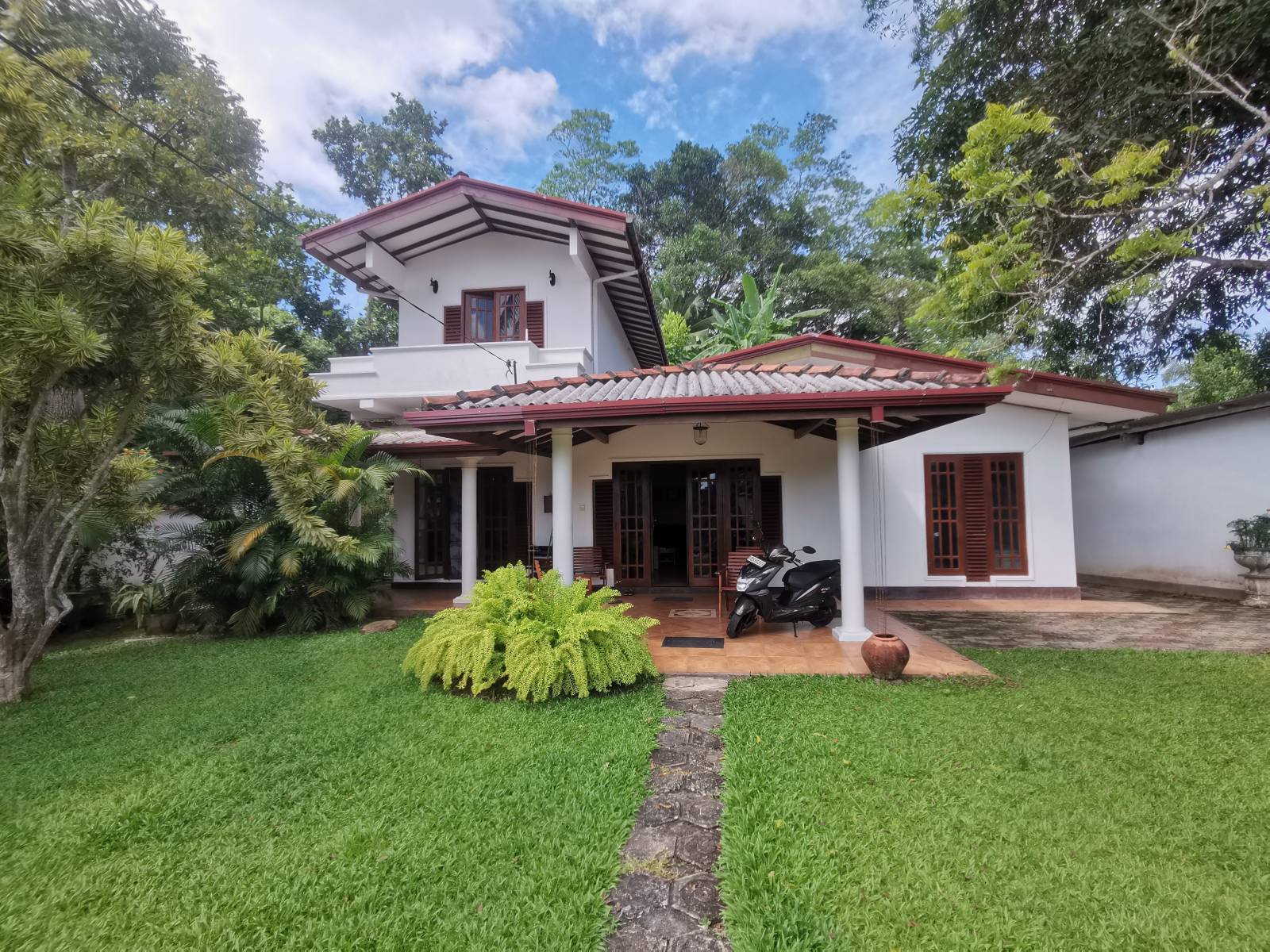
Sri Lanka
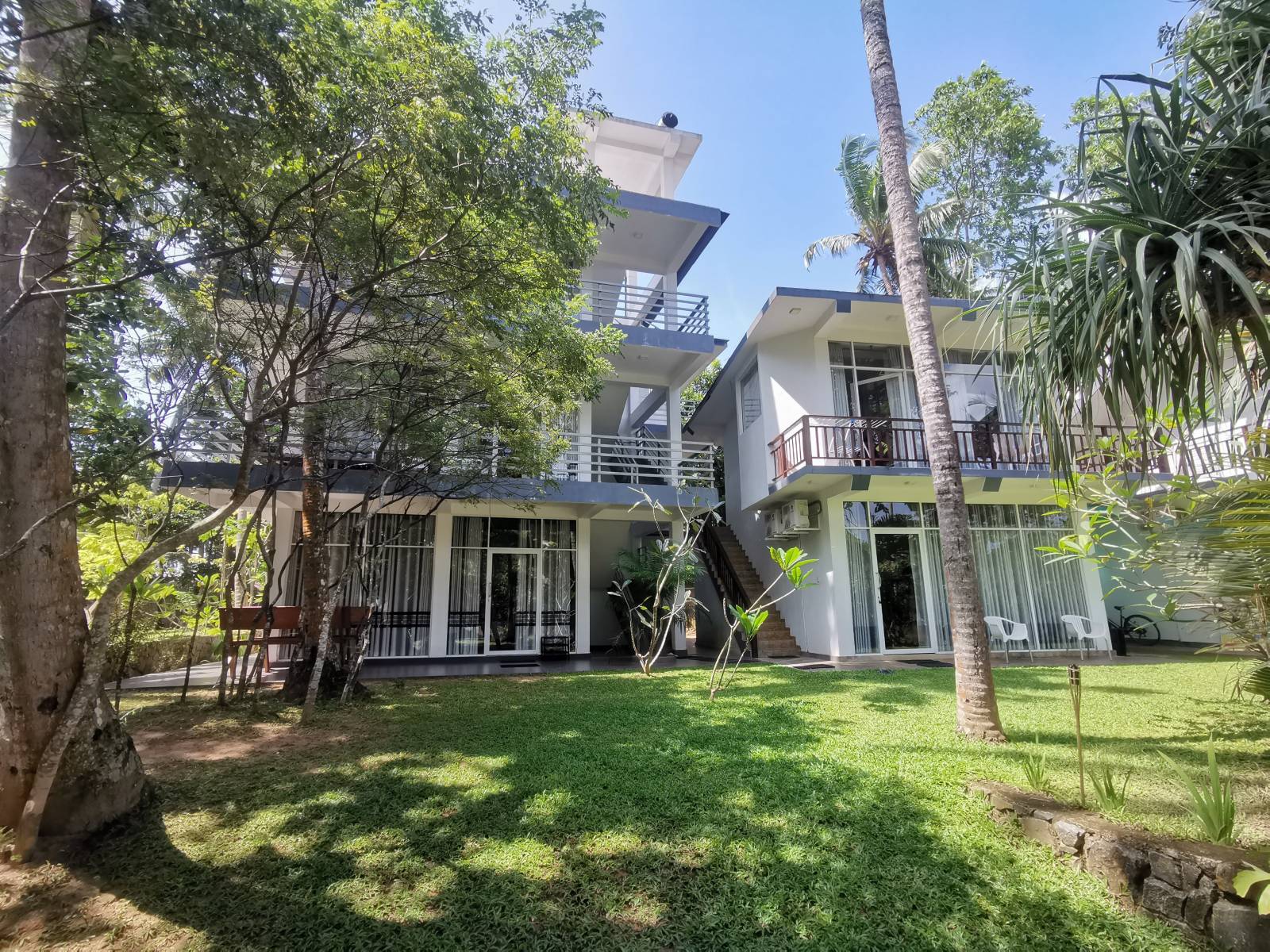
Sri Lanka
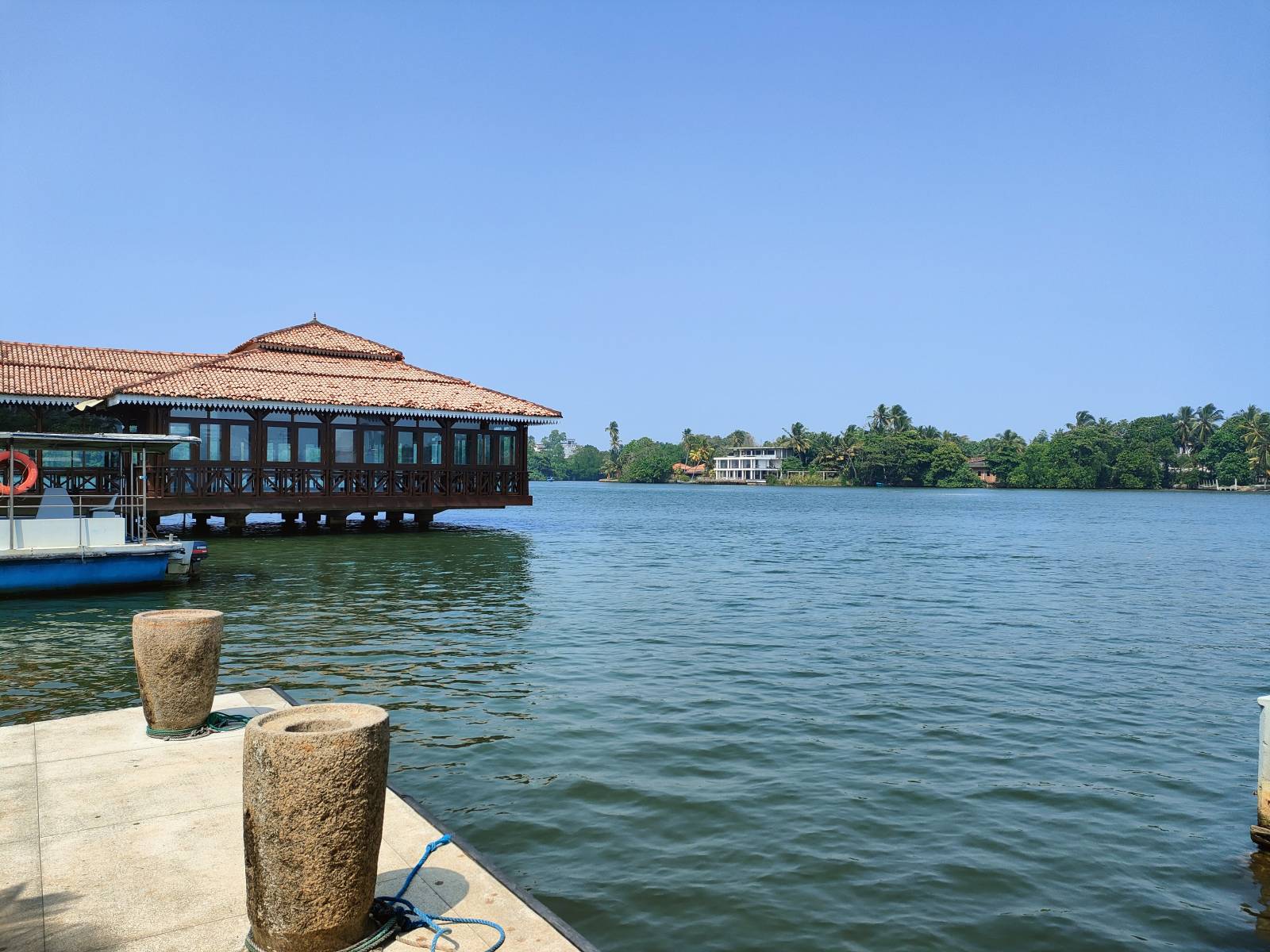
Sri Lanka
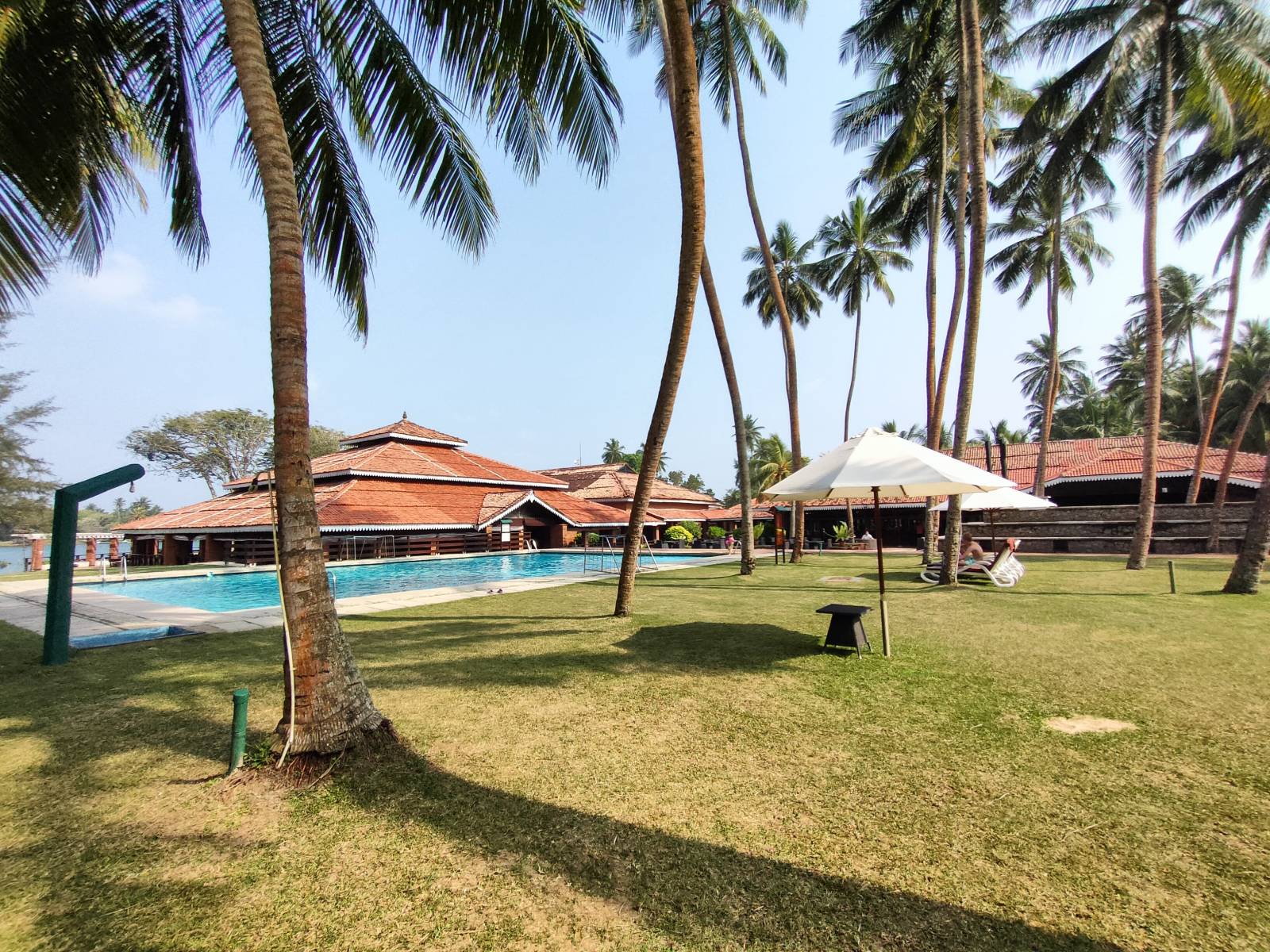
Sri Lanka
If Sri Lanka is your choice, find practical island materials, routes and local context on our website Ceylon.Top. The original English comparison is also available on our Sri Lanka website. Check official entry portals immediately before your trip.
Sources: UNESCO on Sri Lanka's World Heritage; UNESCO on Bali's cultural landscape; Indonesia Immigration on VoA; Love Bali on the tourist levy; Sri Lanka's official ETA portal; SLTDA on tourism seasonality.