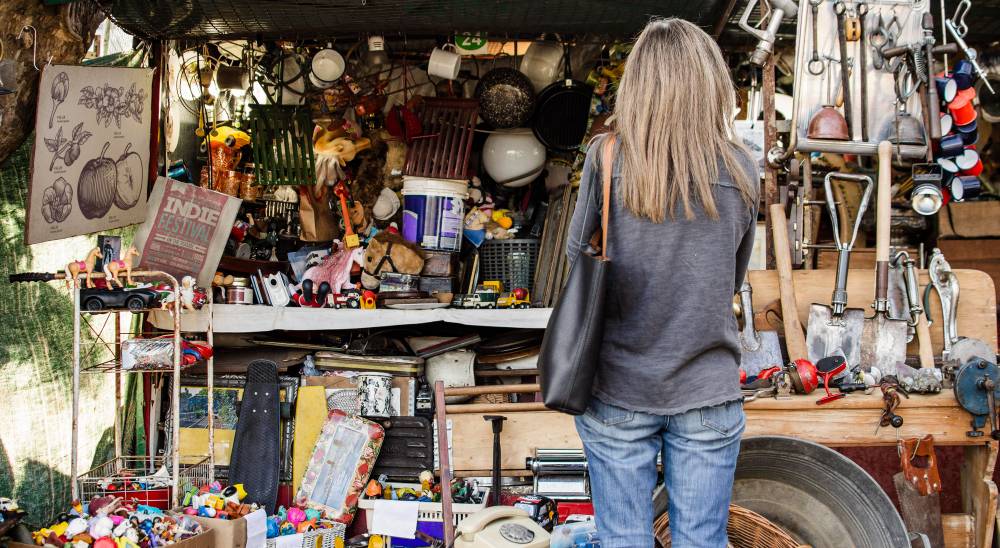
Responsible consumption does not mean refusing every purchase or competing to create the perfect zero-waste photo. It means checking whether you need something, choosing an option that creates less waste, using it for longer and only then thinking about recycling. In Bali, this is especially practical: tourism is central to the island economy, and the amount of packaging, disposable items and food waste depends on the behaviour of residents, businesses and visitors.
In 2026, waste management in Bali became a more concrete public issue. Authorities announced a move towards sorting waste at the source and ending open dumping, while regional rules and campaigns push businesses towards reuse, refill and separation of organic, recyclable and residual waste. This is an important direction, but it does not mean that the same collection infrastructure is already available in every neighbourhood. Start by checking what your actual waste operator accepts.
Reduce purchases before you sort the leftovers
The most sustainable item is often the one that did not need to be made, shipped, packaged and discarded. Before buying, ask whether you need it now, whether you can rent it, find a used version, repair what you already have or buy one durable item instead of several cheap replacements.
This also helps your Bali budget. Impulse purchases for temporary accommodation, cheap furniture, kitchenware, electronics, seasonal clothing and tourist accessories quickly become storage or disposal problems. A shopping list, a combined order without extra packaging and refusing unwanted promotional items can have more impact than trying to recycle everything later.
Buy used, repair and pass items on
Second-hand purchases extend the useful life of an item and often lower the entry cost. In Bali, that can mean furniture for a rental, kitchenware, a bicycle, an appliance, children’s items or work equipment. Before buying, check condition, completeness, repairability, electricity use and the real delivery cost.
When you no longer need something, it does not have to become waste immediately. Repair it, give it away, sell it or pass it to someone who can use it. The Bali.Top catalogue can help you publish an offer. It cannot guarantee a quick sale, so state condition, area, price, contact method and limitations honestly. A clear listing gives an item a chance to find a new owner.
Reuse and refill instead of single-use packaging
A reusable bottle, cup, bag, container or cutlery set only helps if you actually use it. Keep each item where it is needed: a bottle in your bag, a shopping bag near the door and a container at work or in the kitchen. For drinking water, use a trusted refill station or a business that is responsible for water quality; do not fill a bottle from an unknown source.
More Bali businesses are adopting reuse and refill practices, and regional policies aim to reduce single-use plastic. Ask a shop or restaurant whether it accepts returnable containers, allows your own container and how delivery will be packed. A product labelled biodegradable or eco-friendly is not automatically better: check its material, the conditions needed for composting and whether a real collection route exists.
Sort waste, but check the local collection route
A useful starting point is to separate organic waste, recyclable materials and residual waste. Organic waste includes food scraps and some garden waste. Recyclables are only the materials accepted by your specific operator. Residual waste is contaminated or mixed material with no other available route. Glass, metal, cardboard and different plastics should not automatically go into one bin and be assumed to have been recycled.
Ask your landlord, building manager or waste operator whether packaging needs to be rinsed, whether caps are separated, where glass goes, whether batteries and electronics are accepted, and how food or garden waste is handled. If all fractions are later collected on one route, do not create false confidence. Look for a service or drop-off point that explains what happens next.
Food and organic waste
Food waste is both an environmental and a financial loss. Plan purchases for the number of people and the length of your stay, store food correctly, choose seasonal products and use leftovers in another meal. At cafés, decline extra cutlery, napkins and sauces when you do not need them.
Composting, maggot processing, animal feed and other organic treatment methods are not suitable for every home. Do not leave food waste in an open container or put meat, oil or large quantities into a home compost system without understanding the process. If you use an external service, ask what it accepts and how often it collects.
Plastic, delivery and takeaway purchases
Packaging cannot always be avoided, especially with delivery. You can still combine orders, choose sellers with returnable or minimal packaging, refuse extra bags and ask for no cutlery, sauces or napkins when they are unnecessary. Bringing your own container for takeaway can be more useful than demanding an immediate switch to a vaguely labelled eco alternative.
A bag, straw or cup is a small item in one transaction, but daily use multiplies quickly. Bali policies and public campaigns set a direction for reducing single-use plastic, yet customers should look at the actual practice of a business rather than relying only on green branding.
Responsible consumption can lower personal costs
Saving money is not only about finding the lowest sticker price. Compare the full cost of ownership: delivery, repairs, consumables, electricity, replacement parts, storage and resale value. Renting for longer, sharing, repairing locally and buying a good used item can be better value than choosing the cheapest new alternative.
Keep a simple monthly purchase and spending list. After a few weeks, you may see how much goes to bottled water, delivery, impulse clothing, excess food and items you buy again after moving. Tracking turns an environmental idea into a clear budget decision.
What not to promise
Zero waste is a useful direction, not a guaranteed overnight result. A biodegradable product may not break down in an ordinary bin, every type of plastic may not be recyclable, and sorting does not replace reducing consumption. Choose a few habits you can repeat consistently.
Do not assume that every local or expensive product is sustainable without checking its origin, lifespan and packaging. Local purchasing can reduce part of a transport journey, but it does not cancel out overconsumption. Consider the whole life of the item and how it will actually be used.
A practical one-week plan
- Review your fridge, bathroom and wardrobe before buying duplicates.
- Choose one reusable item to use every day.
- Ask your operator about sorting and separate drop-off for batteries or electronics.
- Buy one needed item second-hand or repair something you already own.
- Find shops and cafés offering refill, returnable containers or minimal packaging.
- Give away or list for sale something you no longer use.
Conclusion
Responsible consumption in Bali in 2026 means fewer unnecessary purchases, more reuse, repair, honest resale and sorting based on real local infrastructure. You can start by adding a listing on Bali.Top and giving an item a chance to reach a new owner. Sustainable results come from repeatable decisions at home, in business and while travelling.
Sources and useful pages: Bali Provincial Government on sorting waste in 2026; Bali Provincial Government on single-use plastic restrictions; UNEP on circularity; Zero Waste background; Bali.Top catalogue.