Earthquakes in Bali. Is it dangerous?
“Bali has volcanoes, earthquakes and a high risk of tsunamis. And also snakes, scorpions, huge cockroaches...” and other horror stories that can be found on the Internet. But is the island as scary as it is described?
Indonesia is located along the line of the Pacific ring of fire. Do you know what it is? I didn’t know, although I probably studied at school.
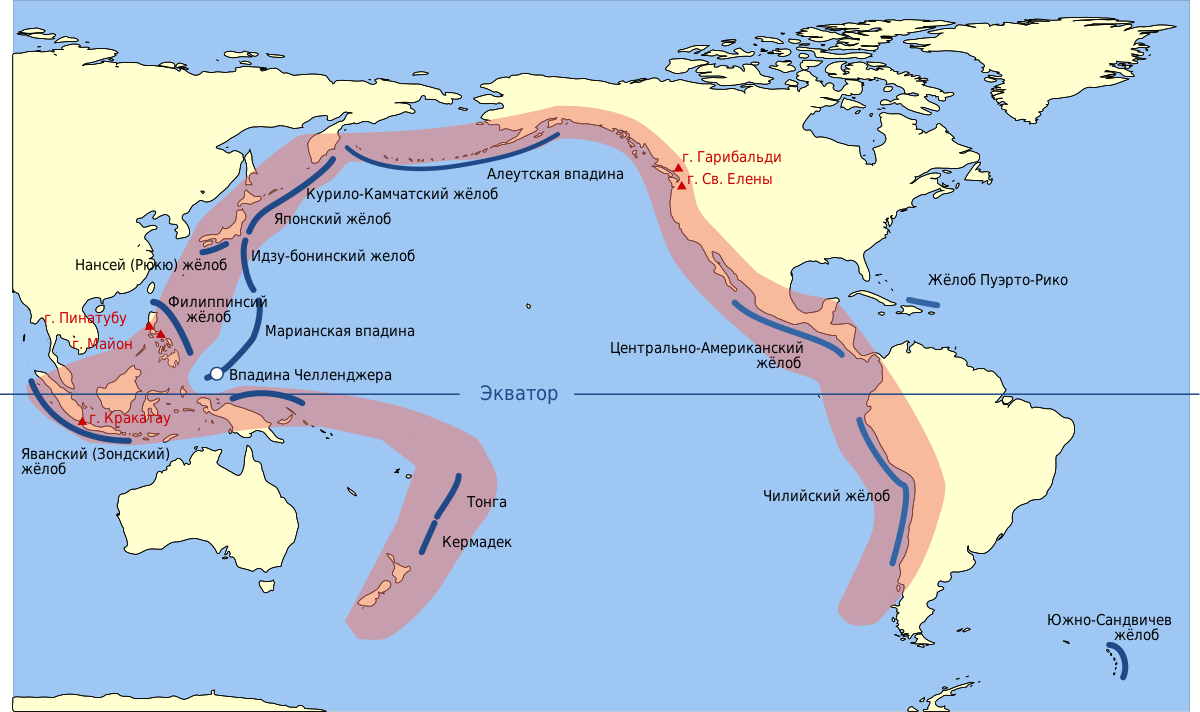
Pacific volcanic ring of fire —
is a conditional line that runs along the border of the Pacific Ocean. Most of all the active volcanoes in the world were formed here. And more than 90 percent of all earthquakes in the world happen here. Simply put, the surface of the Earth is not solid, but assembled, like a mosaic, from separate parts — lithospheric plates. And they do not stand still, but move very slowly under the influence of various processes and change the face of the planet. This is how islands, continents and seas are formed over time.
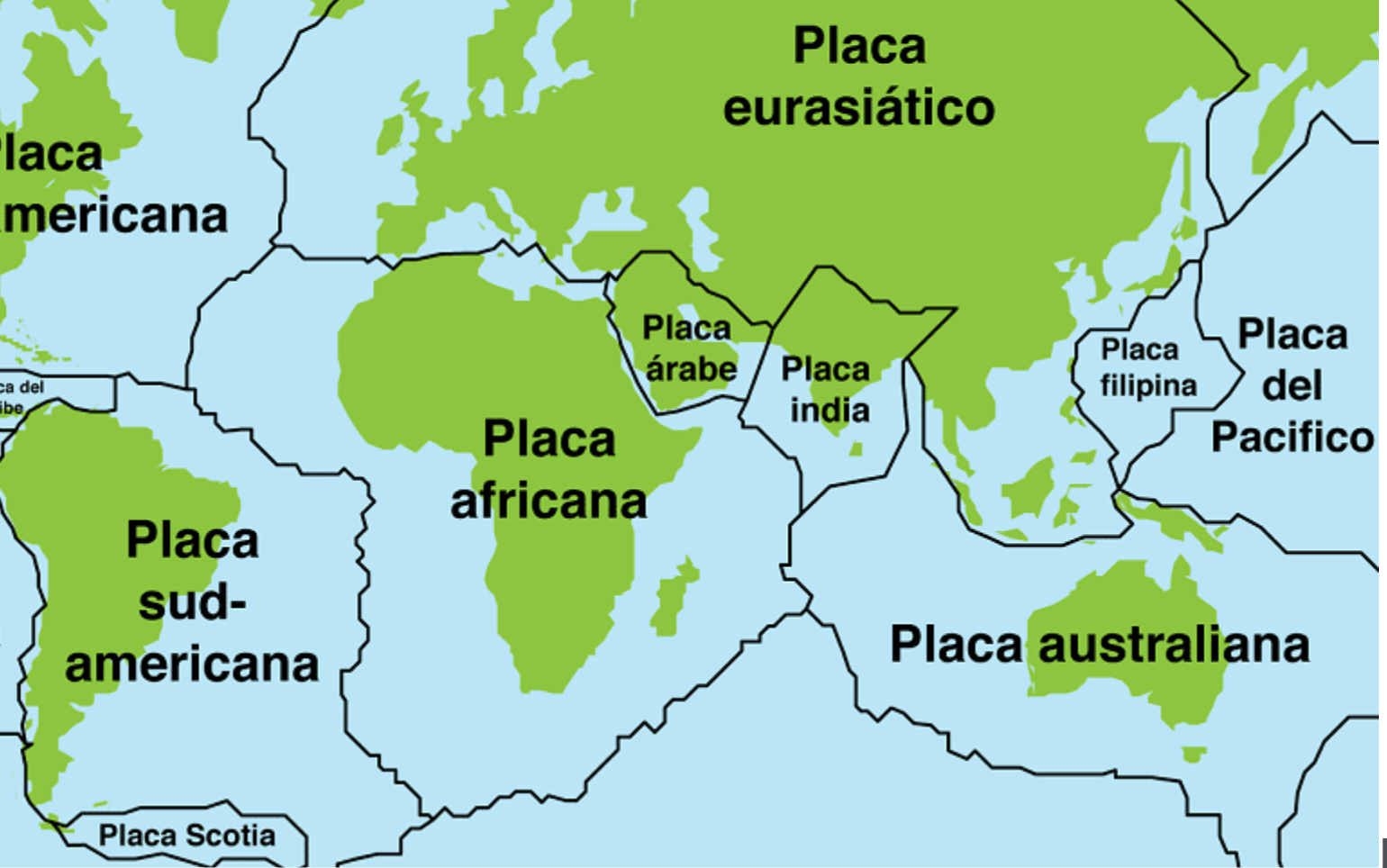
Some plates are falling apart — and there the rift forms, others collide, forming mountains and volcanoes. The collision of these plates causes the earth to constantly oscillate. We called this an earthquake. Indonesia located on several lithospheric plates at once and is one of the most seismically active zones in the world. And no matter how frightening it may sound, regular tremors are the norm for this place!😁
Shaking in Bali
The island has experienced about 200 earthquakes in the last year. Of these, only 20 were really tangible. There is a scale to determine the strength of earthquakes. It is called the Richter scale. Earthquakes with a magnitude of up to 3 points are considered very weak and imperceptible shocks. Everything above, you will feel on yourself with a high degree of probability. From 4 points, glass and dishes in the room begin to tremble, from 5 — buildings and trees are shaking. Earthquakes of greater magnitude are considered serious cataclysms that can lead to building damage, loss of life, and even a volcanic eruption or tsunami.
During the time that I live on the island, I have experienced earthquakes of various magnitudes. But there was nothing wrong with that. The first time I was very surprised, because I felt that a chair swayed under me. I didn't even know what it was right away. The next time the earthquake caught me in bed, and it was a very strong shaking, magnitude 5.5. But I didn’t have time to get scared, it was all over in ten seconds. It felt like you were on a train and everything was rocking a little. It was weird, but not scary. A few more earthquakes that I got here lasted about the same — from 4 to 10 seconds.
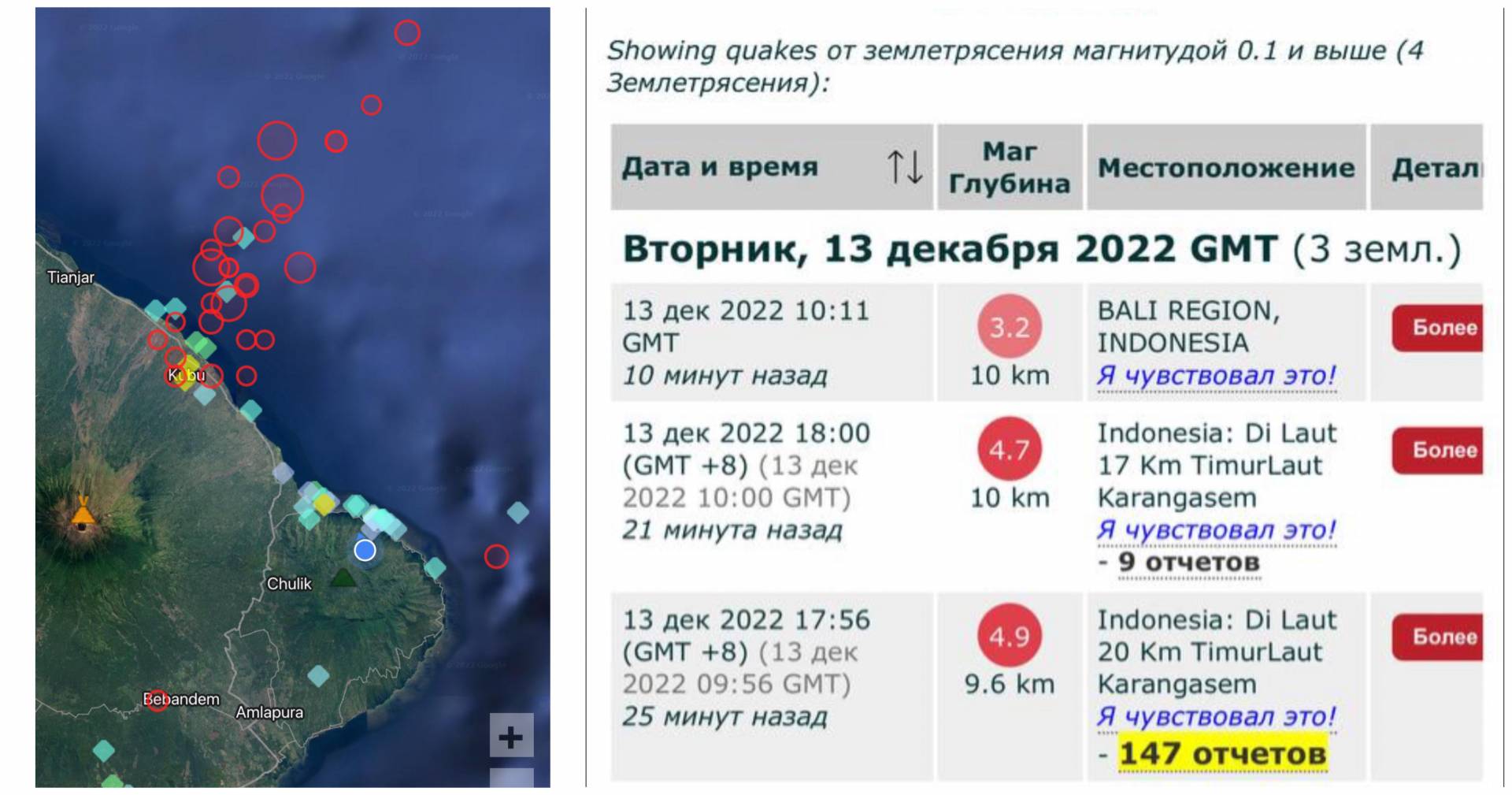
Out of curiosity, I went to the site volcanodiscovery and studied the statistics for the last 60 years. The strongest in the history of Bali was the earthquake of 2018 with a magnitude of 6.8. Strong tremors lasted for a minute. On the site you can read the feelings of beholders. There are about a thousand of them: “The water poured out of the pools and the trees shook in all directions.”, “everyone ran out into the street in horror and shouted”, “the ground shook and it was difficult to walk”, “we were shocked and scared”. Sounds very scary. As a result of the earthquake, 2 people died and about 17 were injured. Many buildings were damaged.
This was the most serious earthquake in Bali in the last 60 years.
To go or not to go to the island - everyone decides for himself. It seems to me that the risk of suffering from an earthquake in Bali is not so great, and experiencing it at least once in a lifetime can be very interesting. Well, in the end, there are a lot of places in the world where there is movement of tectonic plates and tremors. It's like with airplanes: someone is afraid to fall and does not fly, but someone flies and feels quite comfortable. But there is no objectively greater threat to life or health compared to other countries. So come and don't worry😊
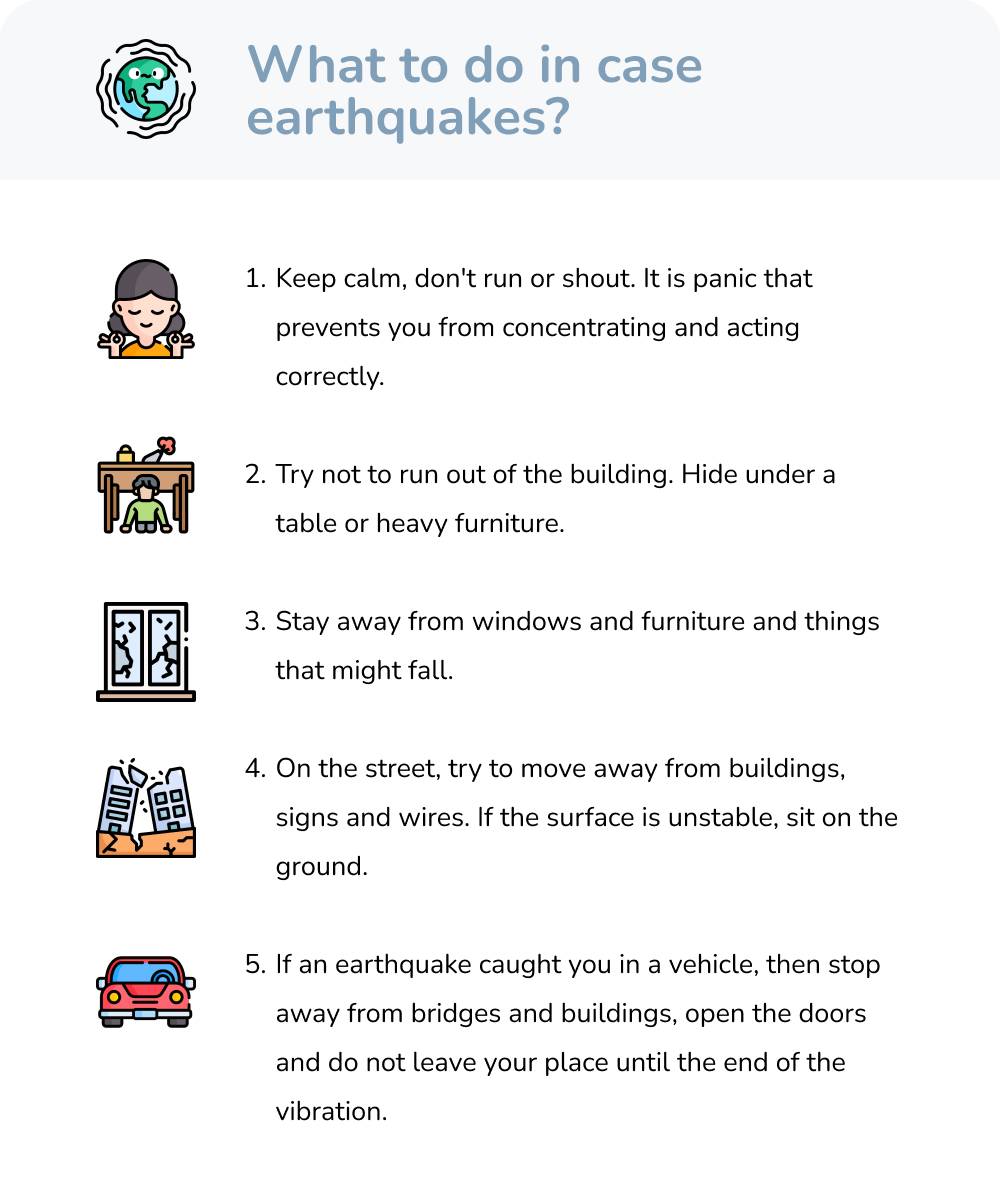
What to do in case earthquakes
Read also
All articles
Top 5 reasons why Bali might disappoint you
It happens that travelers who arrive in Bali for the first time and did not know about its features remain disappointed. It is important to…
Why it is worthwhile for a Bali venue to be listed in “Places and venues”
A restaurant, café, bar, hotel, coworking space, salon, studio, dive centre or another offline business almost always already has at least one online presence.
Responsible consumption: what we leave behind
Keeping things useful, buying fewer unnecessary items and passing possessions on are everyday ways to care for our surroundings and future generations. How to make…
The most Instagrammable views of Bali: Tegallalang rice terraces, subak and swings with flying dresses
It is said that the first rice terraces were created over 1500 years ago. This culture is an integral part of the diet of any…

The Bali Effect: Decoding the Island's Unmatched Allure
In the realm of global tourism and expat destinations, Bali stands as a remarkable outlier, offering an enchanting blend of characteristics that set it apart…

Bali Telegram Groups and Channels in 2026: How to Search and Post Safely
Telegram is useful for quick questions about life in Bali, but a chat feed is not a verified directory. Learn how to find relevant communities,…



Comments
Share your thoughts or ask a question about this article.
My rating:
Sign in to leave a comment.